Lifestyle Hotel Explained: The 2026 GM's Strategy Guide
August 24, 2026 · 13 min read
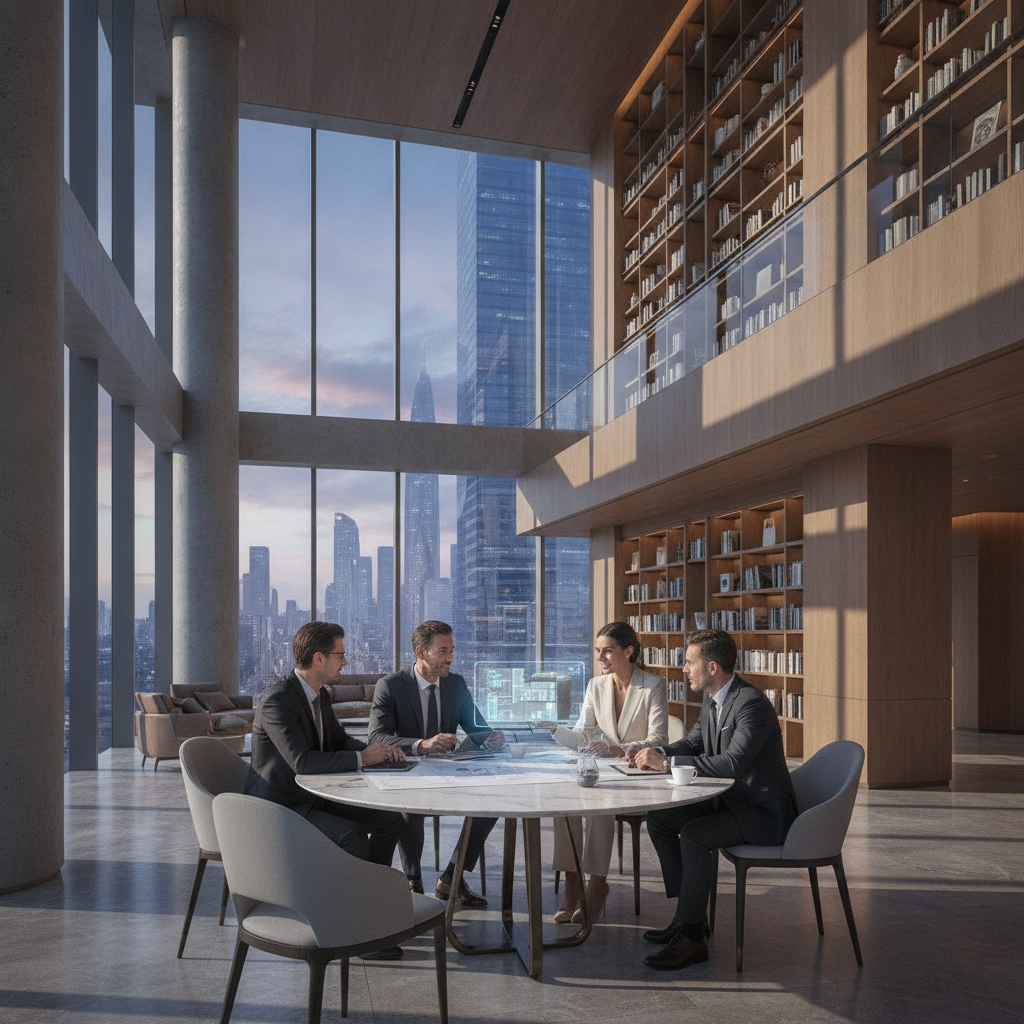
The lifestyle hotel category has moved from niche curiosity to one of the fastest-growing segments in global hospitality, and hotel general managers, spa directors, and owners are under pressure to understand exactly what separates a true lifestyle hotel from a boutique property with a nice lobby. This guide breaks down the definition, the market data, the design and programming pillars, and the practical steps needed to position — or reposition — a property as a genuine lifestyle hotel in 2026.
TL;DR — The Bottom Line
A lifestyle hotel is a design-forward, experience-led property that blends boutique personality with scalable brand systems, anchoring guest loyalty through culture, food and beverage, and wellness rather than square footage alone. The category is expanding fast — global hotel and resort spa revenue grew 56.4% between 2019 and 2024 — and owners who integrate wellness infrastructure, distinct programming, and community-driven public spaces are capturing higher ADR and longer stays than traditional full-service competitors.
Quick Facts
- Global hotel & resort spa revenue growth (2019–2024): 56.4%, from $50.4B to nearly $79B
- Spa location growth worldwide: ~40% increase, from roughly 64,000 to 88,000 locations
- Average multi-day spa break booking window: 41 days — a four-year high
- Single spa treatment lead time: Dropped by two days versus 2023, the shortest in four years
- Wellness demand spread: No longer limited to luxury; midscale and upper-midscale lifestyle brands now compete on wellness programming
What Is a Lifestyle Hotel? A Clear Definition
A lifestyle hotel is a hospitality category built around a distinct point of view — design, culture, food and beverage, and programming that feel curated and personal rather than standardized. Unlike a traditional full-service hotel, a lifestyle hotel sells an identity as much as a room. Guests choose these properties because the brand reflects how they want to feel and be seen, whether that's creatively energized in a downtown arts district or restored after a demanding travel schedule.
The term originated in the early 2000s as major hotel groups tried to replicate the success of independent boutique properties at scale. Brands like Aloft, Moxy, EDITION, and Kimpton popularized the model, and by the mid-2020s nearly every major hospitality company operates at least one lifestyle hotel brand. What separates a lifestyle hotel from a plain boutique hotel today is scale, brand consistency, and — increasingly — a formal wellness strategy that goes beyond a treadmill and a sauna.
No. Boutique hotels are typically independent, small-footprint properties with a singular design vision. A lifestyle hotel borrows that personality but is usually part of a branded collection or flag, giving owners access to loyalty programs, distribution systems, and standardized (but flexible) design and service playbooks.
The Lifestyle Hotel Boom: Market Data and Growth Trends
The numbers behind the lifestyle hotel movement are hard to ignore. Global hotel and resort spa revenues climbed 56.4%, from $50.4 billion in 2019 to nearly $79 billion in 2024, while the number of spa locations worldwide grew roughly 40%, from about 64,000 to 88,000, according to the Global Wellness Institute (globalwellnessinstitute.org). That growth is not confined to five-star resorts — it is happening across midscale and upper-midscale lifestyle hotel brands that are adding recovery rooms, thermal circuits, and fitness-forward programming to properties that previously offered little more than a small gym.
Hospitality technology provider Journey has also found that spa guests increasingly treat wellness as everyday self-care rather than a rare indulgence. Lead times for individual spa treatments dropped by two days compared to 2023, the shortest booking window in four years, signaling more spontaneous, on-demand wellness use. At the same time, multi-day spa breaks now carry an average booking window of 41 days, a four-year high — proof that lifestyle hotel guests want both quick, walk-in wellness moments and long-planned, high-ticket retreats under the same roof.
For general managers and owners, this data has a clear implication: a lifestyle hotel is no longer optional infrastructure for luxury flags only. Wellness tourism is now one of the primary demand drivers pushing hotel and resort spa growth ahead of other spa categories, and lifestyle hotel operators who ignore this shift risk losing share to competitors who treat wellness as core product rather than a checkbox amenity.
Lifestyle Hotel vs. Boutique vs. Luxury: Knowing the Difference
Confusion between these three categories costs owners money, because each one requires a different capital allocation strategy, staffing model, and marketing approach. The table below outlines the practical differences.
| Category | Scale | Design Approach | Wellness Role | Typical ADR Position |
|---|---|---|---|---|
| Boutique Hotel | Independent, small (under 100 keys) | Singular, owner-driven vision | Optional, often minimal | Mid to high, market-dependent |
| Lifestyle Hotel | Branded collection, 100–400 keys | Consistent identity with local flavor | Core differentiator, often programmed | Upper-midscale to upper-upscale |
| Luxury Hotel | Full-service, large footprint | Formal, brand-standard luxury | Expected baseline (full spa) | Upscale to luxury |
The Core Pillars That Define a Winning Lifestyle Hotel
Across successful lifestyle hotel brands — from urban conversions to resort repositionings — four pillars consistently separate the category leaders from the imitators.
1. Distinct Design Identity
Every strong lifestyle hotel has a design point of view guests can describe in one sentence: industrial-chic, coastal minimalism, retro-glam. Public spaces are designed for photography and lingering, not just transit between the lobby and the elevator.
2. Food and Beverage as a Destination
In a lifestyle hotel, the restaurant and bar are not an afterthought for room-service overflow — they are often the primary revenue and reputation driver, frequently attracting local guests who never book a room.
3. Community and Social Programming
Live music, art installations, co-working nooks, and pop-up markets turn a lifestyle hotel lobby into a neighborhood gathering place, extending dwell time and ancillary spend.
4. Integrated Wellness Infrastructure
The newest and fastest-growing pillar. Recovery rooms, sauna and cold-therapy circuits, movement studios, and mindfulness spaces are being built into the guest journey rather than tucked away in a basement spa that closes at 6 p.m.
No. Many successful lifestyle hotel properties skip the traditional day-spa model entirely in favor of smaller, high-impact wellness zones — think a compact recovery suite with sauna and cold-plunge equipment, a rooftop yoga deck, or a 24-hour fitness studio — that require less square footage and staffing while still meeting rising guest expectations for wellness access.
Wellness as the New Currency in Lifestyle Hotel Positioning
Wellness has shifted from an amenity line item to a brand currency inside the lifestyle hotel category. Guests increasingly select a property based on whether it supports how they want to feel during and after their stay — energized, recovered, or simply unplugged. This shift is visible in three parallel trends reshaping lifestyle hotel wellness strategy through 2026.
From Passive Relaxation to Athletic Recovery
Major hospitality groups are forecasting a move away from purely passive relaxation toward dynamic, athletic-focused wellness escapes. Evidence-based recovery modalities — infrared therapy, contrast bathing, and functional movement spaces — are increasingly featured in lifestyle hotel wellness programming aimed at active travelers, corporate retreat groups, and destination-fitness guests.
Mental Wellness as a Core Offering
Mental wellness is becoming a foundational pillar of hospitality rather than an optional add-on. Lifestyle hotel operators are integrating mindfulness rooms, digital-detox zones, and circadian lighting to support rest and reconnection, responding to traveler fatigue with screens and overstimulation.
The Rise of "Dumb Rooms"
Ironically, some of the most talked-about wellness innovation in lifestyle hotel design involves removing technology rather than adding it. Device-free guest rooms and quiet floors are being marketed as premium, restorative experiences — a direct response to guest demand for genuine disconnection.
Because equipment-driven recovery zones — saunas, cold-therapy setups, infrared panels — deliver a high-impact wellness signal with a fraction of the square footage, staffing, and construction complexity of a full spa build-out, making them a faster path to differentiation for lifestyle hotel owners working with constrained capital budgets.
Properties sourcing this kind of equipment often work with specialized suppliers rather than general contractors, since commercial-grade wellness hardware has different plumbing, electrical, and maintenance requirements than residential products. HotelPlunge (hotelplunge.com) works specifically within this hotel wellness equipment niche, supporting general managers and owners who want to add recovery-focused amenities to a lifestyle hotel property without overbuilding a traditional spa.
How to Build or Reposition Your Property as a Lifestyle Hotel
Whether launching a new build or repositioning an aging full-service asset, the path to a credible lifestyle hotel identity follows a fairly consistent sequence.
- Step 1 — Define the guest persona, not just the demographic. A lifestyle hotel is built around a psychographic profile — how the guest wants to feel — not simply an age or income bracket.
- Step 2 — Audit public spaces for storytelling potential. Identify which lobby, rooftop, or courtyard areas can be reimagined as social anchors rather than pass-through corridors.
- Step 3 — Rebuild food and beverage around local relevance. Partner with local chefs or beverage programs that give non-hotel guests a reason to visit, generating community buzz that supports the lifestyle hotel brand.
- Step 4 — Add a compact, high-signal wellness zone. Rather than committing to a full spa, many owners are finding strong ROI in smaller recovery rooms featuring sauna, cold-plunge, or contrast-therapy equipment that fits within existing footprints.
- Step 5 — Train staff on brand voice, not just service standards. Lifestyle hotel service should feel personable and locally informed, not scripted.
- Step 6 — Measure ADR, length of stay, and F&B capture rate quarterly. These three metrics reveal whether the lifestyle hotel repositioning is translating into commercial performance.
Owners repositioning an existing property should resist the temptation to change everything at once. A phased approach — starting with public spaces and a single wellness feature — allows a lifestyle hotel to build momentum and gather guest feedback before committing to larger capital projects like room renovations or full spa construction.
Common Pitfalls When Positioning a Lifestyle Hotel
Not every attempt to enter the category succeeds. The most frequent mistakes include:
- Design without substance: Installing trendy furniture and neon signage without backing it up with programming or service quality that matches a lifestyle hotel identity.
- Wellness as decoration: Adding a small gym or unused sauna room that never gets marketed, programmed, or maintained — guests notice unused wellness space immediately.
- Ignoring local community: A lifestyle hotel that only serves overnight guests misses one of the category's biggest revenue levers — locals who use the bar, restaurant, or wellness facilities without booking a room.
- Underestimating staffing needs: Lifestyle hotel service requires more personality-driven training than a standardized full-service brand, and understaffing this function undermines the entire positioning.
Frequently Asked Questions
What makes a hotel a lifestyle hotel rather than a regular full-service hotel?
A lifestyle hotel is defined by a distinct design identity, curated food and beverage program, community-facing public spaces, and increasingly, integrated wellness infrastructure — all delivered with the consistency of a branded collection rather than a fully standardized full-service model.
How is a lifestyle hotel different from a boutique hotel?
Boutique hotels are typically independent properties with a singular owner-driven vision, while a lifestyle hotel is usually part of a branded collection that combines that same personality with scalable operational systems, loyalty programs, and distribution support.
What wellness amenities are guests expecting from a lifestyle hotel in 2026?
Guests increasingly expect recovery-focused amenities such as sauna and contrast-therapy access, mindfulness or quiet spaces, circadian-friendly lighting, and fitness programming that goes beyond a basic treadmill room — often delivered through compact recovery zones rather than a full traditional spa.
Is investing in a lifestyle hotel repositioning worth it for owners?
Data from the Global Wellness Institute shows hotel and resort spa revenue grew 56.4% between 2019 and 2024, suggesting that wellness-forward lifestyle hotel positioning is aligned with one of hospitality's fastest-growing demand segments, though results depend on execution quality across design, F&B, and programming.
Can a smaller or midscale property become a lifestyle hotel?
Yes. Wellness and lifestyle demand now spans all hotel segments, not just luxury, and midscale properties can compete effectively by focusing on a strong design identity, local F&B partnerships, and a compact but well-programmed wellness feature rather than trying to replicate luxury-scale amenities.
Final Thoughts: Positioning Your Property for the Lifestyle Hotel Era
The lifestyle hotel category has outgrown its early reputation as a design gimmick for younger travelers. It is now a commercially validated business model, backed by measurable spa and wellness revenue growth, shifting guest booking behavior, and a documented shift toward wellness as an everyday necessity rather than an occasional luxury. General managers, spa directors, and owners who treat wellness infrastructure as a core lifestyle hotel pillar — not an afterthought — are positioned to capture higher ADR, longer length of stay, and stronger loyalty in a crowded market.
For properties ready to add recovery-focused wellness equipment as part of a lifestyle hotel strategy, HotelPlunge (hotelplunge.com) works directly with hotel operators to source commercial-grade wellness hardware suited to lifestyle hotel footprints, timelines, and budgets. Explore how a compact, high-impact wellness zone can support your property's lifestyle hotel positioning by visiting HotelPlunge today.