Cold Plunge for Luxury Resort Design: A Blueprint Guide
September 21, 2026 · 13 min read
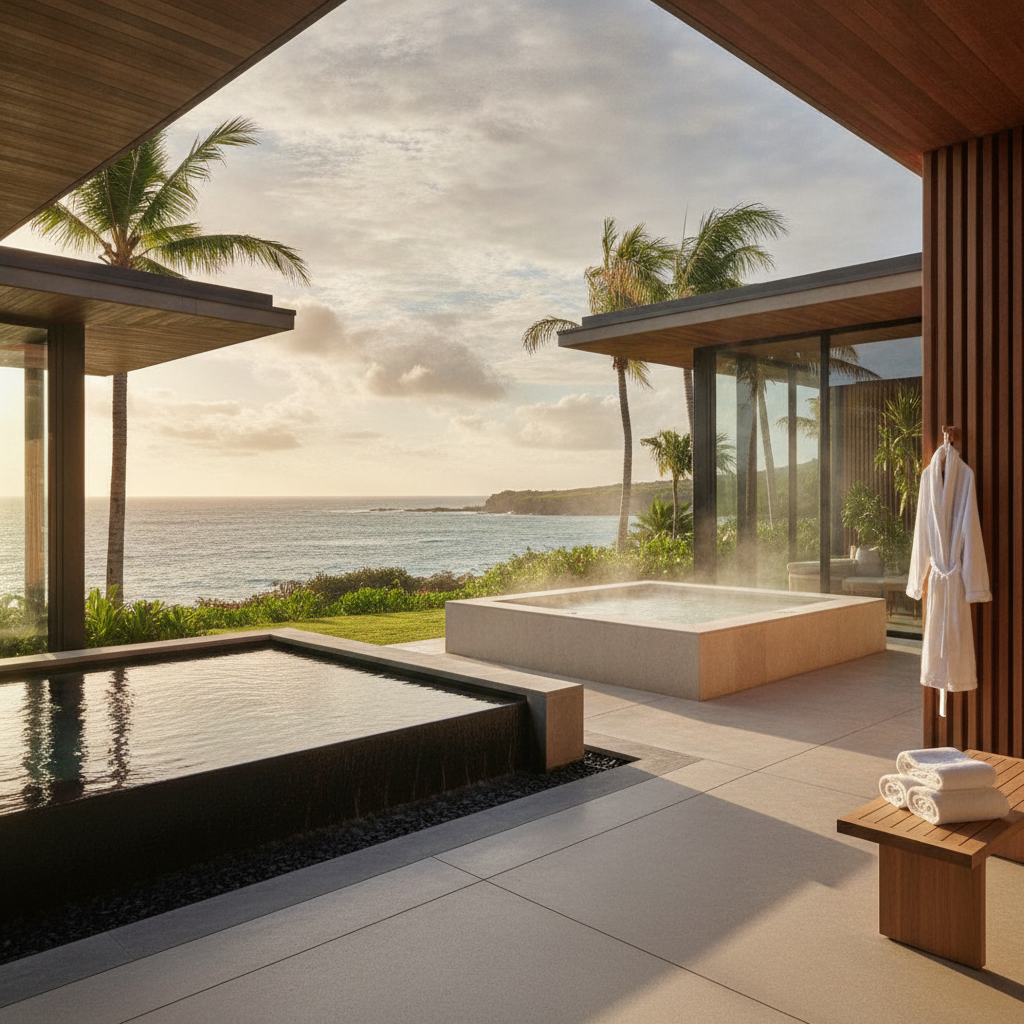
Cold plunge for luxury resort design has moved far beyond a single tub tucked behind the spa locker room. Today, forward-thinking architects, general managers, and wellness directors are treating cold immersion as a designed environment — a sculptural, revenue-generating feature woven into the property's master plan from the earliest schematic drawings. This shift matters because guests no longer see cold plunge as a novelty; they expect it to feel as intentional as the infinity pool or the signature restaurant.
This article is written specifically for the people who shape the built environment of a resort: general managers overseeing capital projects, spa and wellness directors briefing architects, and owners evaluating master plans. Rather than covering suite retrofits, plumbing-free tubs, or ROI modeling (topics we've explored elsewhere), we're focusing on the architectural and experiential design decisions that determine whether cold plunge for luxury resort design becomes a signature amenity — or an afterthought that guests skip.
TL;DR — The Bottom Line
Cold plunge for luxury resort design works best when it's planned as part of the property's hydrothermal circuit and overall architecture — not bolted on after construction. Successful resorts integrate cold plunge into sightlines, material palettes, indoor-outdoor flow, and site-specific landscape design, positioning it near saunas, steam rooms, and relaxation zones. Properties that treat cold immersion as designed infrastructure rather than equipment see stronger guest engagement and a more cohesive wellness brand story than those that install a single standalone tub.
Quick Facts
- Global cold plunge pods for hotels market (2025): $1.8 billion, projected to reach $4.2 billion by 2034
- Built-in cold plunge pods market share: $735 million, 40.8% of the market in 2025
- Luxury hotel segment share: $693 million, 38.5% of the global hotel cold plunge market
- Resort spas offering hydrotherapy/cold plunge (2023): 81%, up from roughly 65% in 2019
- Guest satisfaction lift: 12–18% higher wellness amenity scores at properties with cold plunge pools
What Cold Plunge for Luxury Resort Design Actually Means Today
Ask ten architects what cold plunge for luxury resort design means and you'll get ten different answers — a plunge pool set into a stone courtyard, a glass-walled ice bath overlooking the ocean, or a contrast circuit tucked between a Finnish sauna and a eucalyptus steam room. What ties these together is intent: the cold plunge is designed as a destination within the resort, not dropped into leftover square footage.
The distinction matters commercially. According to market analysis, built-in cold plunge pools now represent $735 million of the $1.8 billion global hotel cold plunge market, the largest single category, reflecting a clear preference among luxury resorts for permanent, architecturally integrated systems over portable units [1]. That preference is a design signal: owners and architects are choosing to build cold plunge into the bones of the property.
Where Cold Plunge Fits in the Resort Master Plan
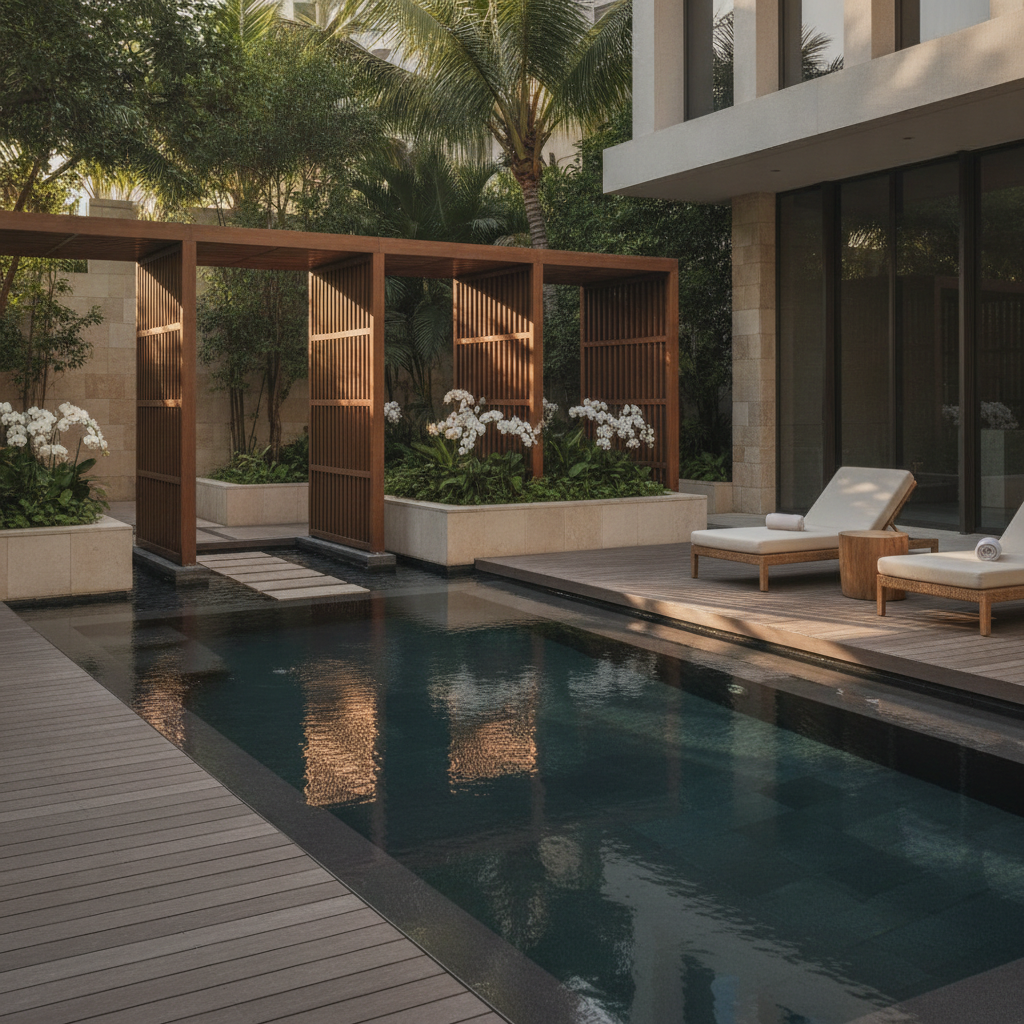
The most common design mistake we see is treating cold plunge as a spa department decision made after the building is already drawn. In reality, cold plunge for luxury resort design should be considered at the same planning stage as the pool deck, the fitness center, and the signature restaurant — because it shares the same infrastructure demands: water, drainage, structural load, and prime real estate with a view.
Resorts generally place cold plunge in one of four zones, each with distinct design implications:
- The spa wellness circuit — adjacent to sauna, steam, and relaxation lounges, usually indoors or semi-covered, prioritizing acoustics and thermal contrast.
- The pool deck or lap pool terminus — an outdoor plunge positioned as a bold visual statement, often cantilevered or infinity-edged to extend sightlines toward the horizon.
- Fitness and recovery zones — functional, athletic-feeling spaces near gyms, appealing to performance-minded guests and athletes in residence.
- Guest suite terraces or private plunge gardens — a design tier reserved for top-category suites and villas, discussed extensively in our suite-focused guides.
For general managers briefing design teams, the key question isn't "where do we have space?" — it's "which guest journey does this plunge serve?" A cold plunge for luxury resort design positioned at the end of a sauna circuit tells a very different story than one placed poolside for family-friendly novelty. Both are valid, but they require different materials, depth, water temperature control, and even different marketing language.
Both work, but the decision should follow the resort's climate and brand story. Alpine and cold-climate properties often favor indoor, glass-enclosed plunges with mountain views, while desert and tropical resorts frequently build outdoor plunges shaded by pergolas or positioned under mature trees to manage sun exposure and water temperature stability.
Design Principles That Separate Luxury Cold Plunge Zones from Afterthoughts
Once the location is set, the details determine whether a cold plunge feels like a five-star feature or a gym accessory. Several principles recur across award-winning resort wellness designs.
Material Palette and Continuity
Luxury resorts extend their material language — limestone, teak, volcanic stone, hand-glazed tile — into the plunge surround so the cold immersion feature reads as part of the architecture, not a fiberglass tub interrupting it. Cold plunge for luxury resort design succeeds when the plunge's edge detail matches the pool coping or spa flooring elsewhere on property.
Sightlines and Privacy
Guests entering cold water are vulnerable — physically and emotionally. The best designs give plungers a view (ocean, forest, mountain) while maintaining enough visual separation from high-traffic walkways that the experience feels contemplative rather than performative. Partial walls, sunken plunge decks, and strategic landscaping all achieve this without sacrificing the drama of an open view.
Acoustic and Sensory Layering
Water sound, ambient temperature, and even scent are part of the design brief. Many resort wellness directors now request that the cold plunge zone be acoustically separated from steam rooms (which are often louder and more humid) so the sensory contrast between hot and cold feels intentional rather than chaotic.
Depth, Capacity, and Flow
Because a typical cold plunge session runs three to five minutes plus about one minute of changeover, a single tub can serve roughly six to ten guests per hour at peak demand [2]. Design teams should size the number of plunge stations to expected peak concurrency — usually derived from spa capacity studies — rather than defaulting to a single feature tub that creates queues during high season.
Building a Hydrothermal Circuit Around the Cold Plunge
Cold plunge rarely performs at its best in isolation. The strongest examples of cold plunge for luxury resort design place the plunge within a broader hydrothermal circuit — a sequenced journey through heat, cold, and rest that mirrors traditional bathing cultures from Scandinavia to Japan.
A well-designed circuit typically follows this sequence: warm shower rinse, sauna or steam (10–15 minutes), cold plunge (1–4 minutes), and a rest period in a heated lounge or outdoor terrace. Repeated two to three times, this contrast sequence is what guests increasingly expect from resort spas — and it's why hydrotherapy amenities, including cold plunge, are now offered by 81% of North American resort spas, up from roughly 65% in 2019 [3].
For architects, this means the cold plunge cannot be designed as a stand-alone room. It needs proximity — ideally within a 10–15 second walk — to at least one heat source and a rest area. Resorts that separate these elements by long corridors or multiple floors consistently see lower usage rates, because the physiological and psychological benefit of contrast therapy depends on quick transitions between hot and cold.
Site-Specific Design: Mountain, Desert, Coastal, and Urban Resorts
Cold plunge for luxury resort design isn't one-size-fits-all — the surrounding landscape, climate, and brand identity should shape the plunge's form factor.
| Resort Type | Design Approach | Common Materials |
|---|---|---|
| Mountain / Alpine | Indoor or semi-enclosed plunge with glass walls facing peaks; often paired with wood-fired sauna | Timber, stone, glass |
| Desert | Shaded courtyard plunge, sunken design to manage evaporation and heat gain | Adobe, tile, natural stone |
| Coastal | Infinity-edge or reflective plunge aligned with ocean views; salt-air-resistant finishes | Teak, concrete, glass mosaic |
| Urban | Rooftop or podium-level plunge with skyline framing; compact footprint | Steel, glass, polished concrete |
Each of these approaches requires different consultation with HotelPlunge's design and engineering teams, since water chemistry, chiller sizing, and drainage all shift with climate exposure. A desert resort, for instance, needs more aggressive evaporation control and shading than a coastal property, where salt air corrosion resistance becomes the priority.
Temperature stability. In desert or tropical heat, ambient sun exposure can raise plunge water temperature significantly within hours, requiring properly sized chillers and shade structures. In cold mountain climates, the opposite risk applies — pipes and filtration systems need freeze protection if the plunge is semi-outdoor.
How to Design a Cold Plunge Zone Into Your Resort
For GMs and owners briefing an architecture or design-build team, the following sequence reflects how the strongest cold plunge for luxury resort design projects actually get built.
- Step 1 — Define the guest journey. Decide whether the plunge serves the spa circuit, the pool deck, fitness/recovery, or premium suites, since this determines location, sizing, and design language.
- Step 2 — Map proximity to heat sources. Position the plunge within a short walk of sauna, steam, or hot tub features to support contrast therapy circuits.
- Step 3 — Size for peak concurrency. Use spa capacity studies and expected throughput (roughly six to ten guests per hour per tub) to determine the number of plunge stations needed [2].
- Step 4 — Select materials that extend the resort's palette. Coordinate plunge surrounds, coping, and decking with existing pool and spa finishes for visual continuity.
- Step 5 — Engage equipment partners early. Bring in a hospitality-grade cold plunge supplier during schematic design, not after construction drawings are finalized, so chiller placement, drainage, and filtration are built into the architecture rather than retrofitted.
Properties working with HotelPlunge often start this process during early schematic design, since chiller and filtration placement is far easier to plan into architectural drawings than to retrofit later. You can review commercial-grade system options at HotelPlunge before finalizing mechanical specifications.
Engineering, Compliance, and Vendor Selection
Design ambition has to be matched with mechanical reality. Cold plunge for luxury resort design projects typically require coordination across several disciplines that don't always talk to each other during early planning:
- Structural engineering — plunge pools filled with water are heavy; rooftop or elevated installations need load calculations early in design.
- Mechanical/chiller sizing — undersized chillers are the most common reason a beautifully designed plunge underperforms in guest satisfaction, since water temperature drifts during peak use.
- Water treatment and filtration — luxury resorts increasingly favor UV and ozone systems over heavy chlorine, both for guest comfort and to protect the finish materials chosen by the design team.
- Local code and accessibility compliance — ADA-compliant entry points, non-slip surfacing, and depth signage all need to be reconciled with the architectural vision, not treated as an afterthought.
Choosing a vendor who understands both the hospitality operating model and the mechanical engineering side is critical. This is where commercial-grade, purpose-built partners differ meaningfully from consumer brands: a resort-grade plunge needs to run reliably for dozens of guest cycles per day, in a way a residential-style tub was never engineered to handle.
Ideally, the spa director, mechanical engineer, and equipment vendor should all be part of schematic design conversations — not brought in after floor plans are finalized. This avoids costly redesigns around plumbing, chiller placement, and structural load.
Common Design Mistakes to Avoid
Even well-funded resort projects repeat the same design missteps. The most common include:
- Treating the cold plunge as a spa afterthought rather than integrating it into the master plan from schematic design onward.
- Undersizing chiller capacity relative to expected guest volume, leading to warm, underperforming water during peak hours.
- Placing the plunge too far from heat sources, breaking the contrast-therapy sequence guests expect.
- Ignoring sightlines and privacy, resulting in a feature that looks good in renderings but feels exposed in practice.
- Choosing residential-grade equipment because it's cheaper upfront, without accounting for commercial-cycle durability.
"Cold plunge for luxury resort design succeeds when it's planned alongside the pool deck and spa circuit — not squeezed in after the architecture is finished." This is the single most repeated piece of advice from designers who have shipped successful resort wellness projects.
Frequently Asked Questions
What does cold plunge for luxury resort design actually involve?
It involves the architectural placement, material selection, and experiential sequencing of cold-water immersion features within a resort's wellness infrastructure — including proximity to saunas and steam rooms, sightlines, structural planning, and mechanical systems — rather than simply purchasing a single tub.
Where should a cold plunge be located in a luxury resort?
Most successful resorts place cold plunge within the spa's hydrothermal circuit, near saunas or steam rooms, or as a signature feature on the pool deck. Premium suites and villas may also include private plunge terraces, but the shared wellness circuit typically sees the highest overall usage.
How many cold plunge stations does a resort need?
Sizing depends on expected peak spa traffic. Since a single tub typically serves six to ten guests per hour, resorts with high wellness demand often install two or three stations distributed across the property rather than relying on one feature tub [2].
Does cold plunge design differ by climate or resort type?
Yes. Desert resorts need shading and evaporation control, coastal properties need salt-air-resistant materials, mountain resorts often favor enclosed glass-walled plunges paired with wood-fired saunas, and urban rooftop resorts typically use compact, skyline-facing designs.
When should a resort bring in a cold plunge equipment partner during design?
Ideally during schematic design, alongside the architect, mechanical engineer, and spa director. Involving an equipment partner early allows chiller placement, drainage, and filtration to be built into the architecture instead of retrofitted after construction.
Conclusion: Designing Cold Plunge as Resort Infrastructure, Not Equipment
The resorts winning guest loyalty and wellness press coverage today aren't the ones that bought the most expensive tub — they're the ones that treated cold plunge for luxury resort design as a genuine architectural discipline, on par with the pool deck or the signature restaurant. That means early planning, thoughtful proximity to heat sources, climate-appropriate materials, and mechanical systems sized for real guest volume rather than showroom specs.
Whether you're briefing an architect on a new build or reimagining an existing spa wing, the design decisions made in the earliest planning stages determine whether your cold plunge becomes a signature amenity guests travel for, or a feature that quietly underperforms. HotelPlunge works with resort owners, GMs, and spa directors to align commercial-grade cold plunge systems with the architectural vision from day one — explore HotelPlunge's resort wellness solutions to start the conversation before your next design review.