Hotel Cold Plunge Installation Guide: Step-by-Step Plan
September 20, 2026 · 13 min read
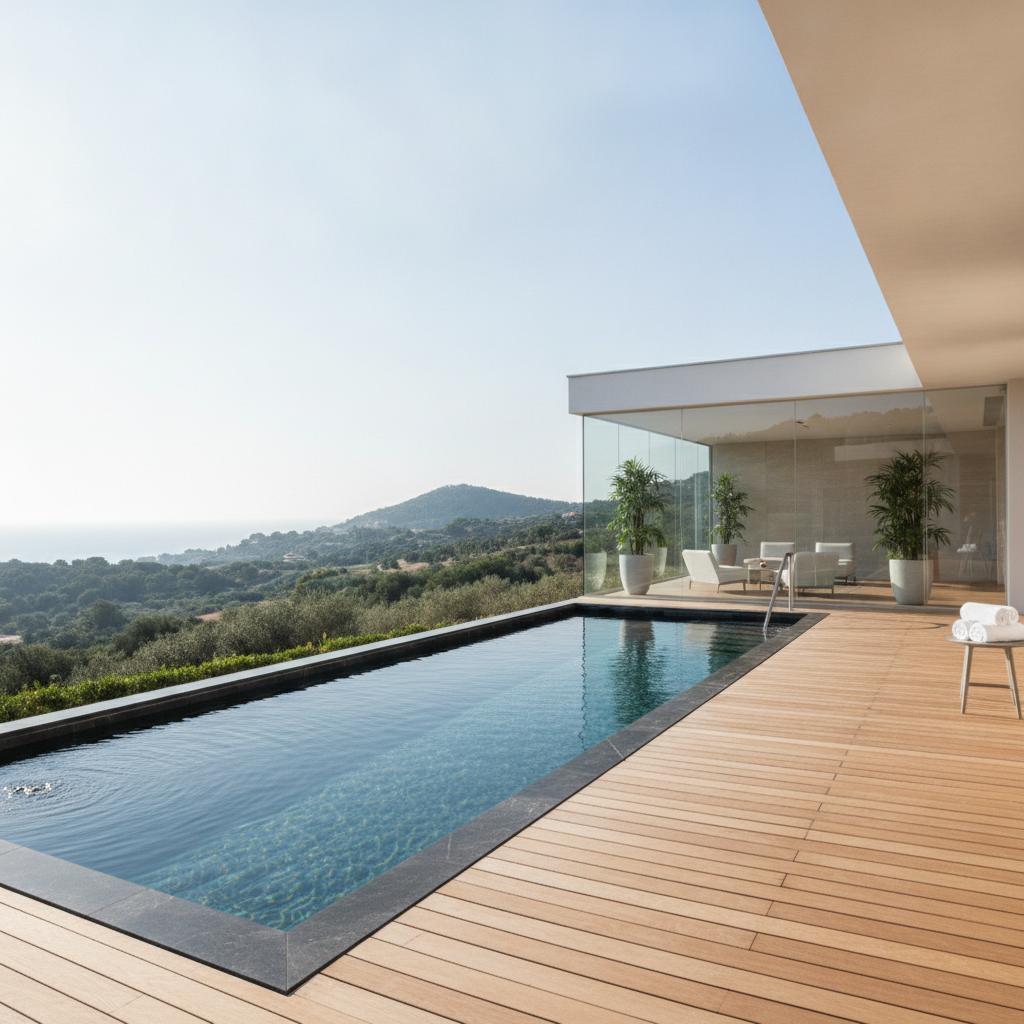
For general managers and spa directors weighing a new wellness amenity, a reliable hotel cold plunge installation guide is the difference between a smooth six-week rollout and a stalled renovation project tangled in permits, plumbing surprises, and vendor delays. This guide walks through the operational, technical, and compliance steps required to move from concept to a fully commissioned cold plunge — regardless of whether you're installing a portable unit, a modular system, or a custom-built spa feature.
TL;DR — The Bottom Line
A successful hotel cold plunge installation guide follows seven core steps: assess your property's infrastructure, choose the right installation model, secure permits and code approvals, prep utilities and drainage, select a vendor and lock a timeline, execute installation day logistics, and complete commissioning plus staff training. Timelines range from 1–3 days for portable units to 4–12 weeks for custom builds, with costs spanning roughly $35,000 to $400,000 depending on format.
Quick Facts
- Portable install timeline: 1–3 days
- Modular install timeline: 2–4 weeks
- Custom built-in timeline: 4–12 weeks
- Cost range, portable systems: $35,000–$75,000
- Cost range, custom luxury installs: $150,000–$400,000
- Hotel adoption growth (2021–2024): ~40% increase among 4-star and 5-star North American hotels
Why a Structured Hotel Cold Plunge Installation Guide Matters
Cold plunge has moved well past novelty status. Hotel adoption of cold plunge pools as a standard wellness amenity grew by roughly 40% among 4-star and 5-star North American properties between 2021 and 2024, according to a 2026 hospitality wellness market summary.[1] The global cold plunge tub market itself is projected to reach between $659.9 million and $739.96 million by the early 2030s, with CAGR estimates ranging from 4.9% to 8.24% depending on the research firm.[10][11][13]
That growth means more vendors, more equipment tiers, and — critically — more ways for an installation project to go wrong without a clear process. A disciplined hotel cold plunge installation guide protects your property from three common failure points: underestimated infrastructure needs, missed code requirements, and vendor timelines that don't match your operational calendar. Following a structured sequence, rather than jumping straight to equipment selection, is what separates a smooth launch from a stalled one.
Answer: It depends heavily on the format. Portable single-user systems can be operational in 1–3 days once delivered, modular multi-user systems typically take 2–4 weeks, and custom built-in installations tied to spa renovations run 4–12 weeks, according to hotel market data.[7]
Step 1: Assess Your Property's Infrastructure
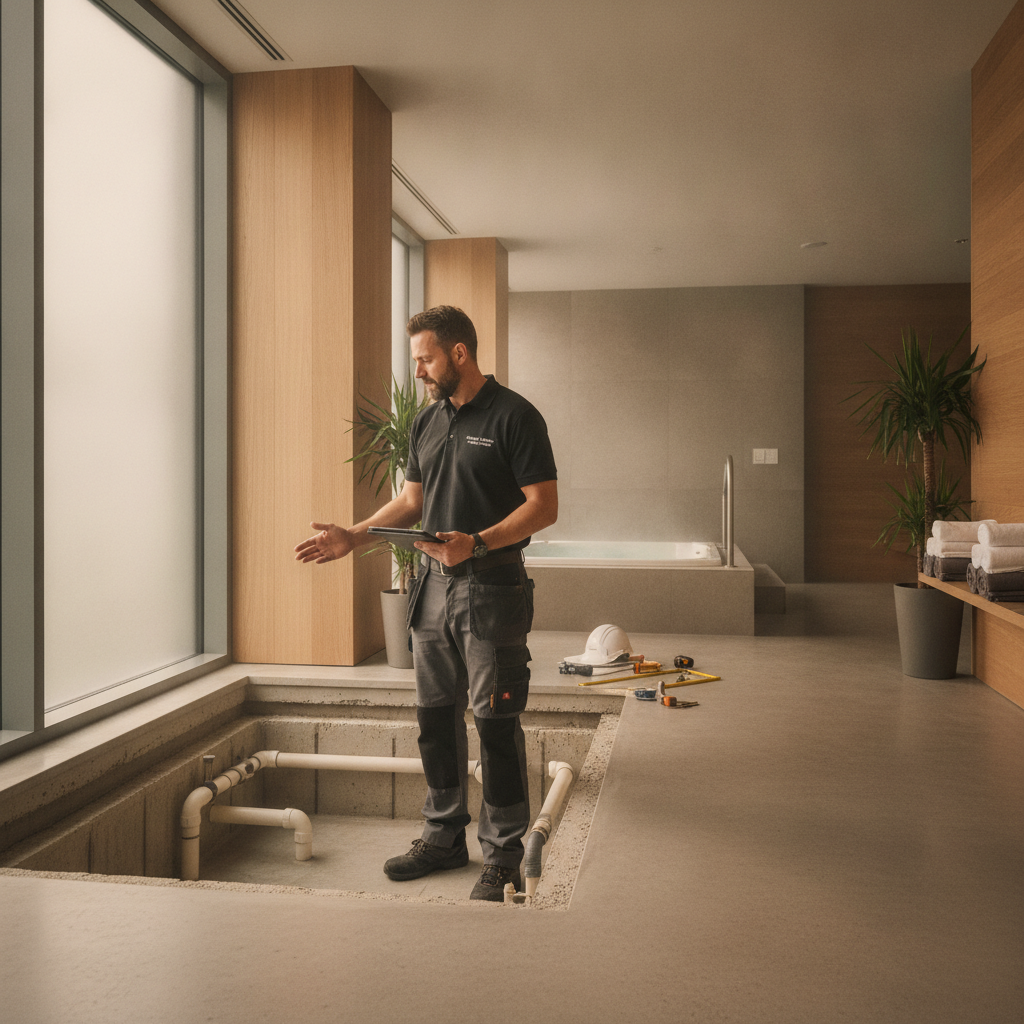
Every hotel cold plunge installation guide should start with a physical and operational audit of the intended location — not equipment shopping. Before contacting vendors, walk the proposed space with your engineering lead and ask:
- Is there existing water supply and drainage within a reasonable distance, or will new plumbing runs be required?
- What is the floor load rating, and can it support a filled tub plus chiller equipment?
- Is there dedicated electrical capacity for a refrigeration-based chiller, or will panel upgrades be needed?
- Is ventilation adequate for equipment heat rejection, especially in enclosed spa rooms?
- What is the guest traffic flow, and does the location support privacy and safety supervision?
This assessment phase typically takes one to two weeks and should produce a written scope document that any vendor bidding on the project can reference. Skipping this step is the single most common reason installation timelines slip by 30% or more.
Step 2: Choose the Right Installation Model
With an infrastructure picture in hand, the next stage of your hotel cold plunge installation guide is selecting the format that matches your property's goals, budget, and timeline. There are three primary paths:
| Format | Best For | Typical Timeline | Typical Cost Range |
|---|---|---|---|
| Portable single-user | Testing demand, in-room service, low disruption | 1–3 days | $35,000–$75,000 |
| Modular multi-user | Spa areas, semi-permanent guest amenities | 2–4 weeks | $85,000–$200,000 |
| Custom built-in | Flagship resorts, architectural integration | 4–12 weeks | $150,000–$400,000 |
These figures come from hotel-focused market analysis on cold plunge deployment costs and timelines.[7] Portable and modular formats are gaining share specifically because they reduce construction risk and shorten deployment — a critical factor for properties that can't tolerate extended spa closures.[5][7]
Step 3: Navigate Permits, Codes, and Compliance
Compliance is the phase most often underestimated in a hotel cold plunge installation guide, yet it's the one that determines whether your amenity can legally operate. Two certifications now explicitly address cold plunge tubs: UL 1563 and CSA C22.2 No. 218.1, both of which set electrical and equipment safety standards for spa and immersion products.[12] Before signing any vendor contract, confirm:
- The equipment carries current UL 1563 or CSA C22.2 No. 218.1 certification, as applicable to your jurisdiction.
- Local health department requirements for water filtration, disinfection, and testing frequency in commercial settings.
- Building department requirements for GFCI protection, bonding, and equipment room clearances.
- ADA or accessibility requirements if the amenity is positioned as a guest-facing spa feature.
Step 4: Prepare Utilities, Drainage, and Electrical Systems
Once compliance requirements are mapped, the physical build-out phase of your hotel cold plunge installation guide begins. Even portable units need dedicated 20-amp circuits for chillers, and most commercial-grade systems require:
- Water supply line sized appropriately for fill time and filtration recirculation.
- Floor drain or gravity drain positioned to handle both routine draining and emergency overflow.
- Dedicated electrical circuit, typically GFCI-protected, sized to the chiller's compressor draw.
- Ventilation or heat rejection path for the chiller's condenser unit, especially in enclosed rooms.
- Structural reinforcement, if required, to support the combined weight of water, tub, and occupant load.
Modular and built-in installations typically require a licensed plumber and electrician on-site for one to three days, coordinated with the vendor's installation team. Portable systems, by contrast, often need only an existing standard outlet and a nearby water source, which is why they dominate no-construction deployment scenarios.
Answer: No. Portable, self-contained units with built-in filtration can often operate with a simple fill-and-drain process and standard electrical access, while modular and custom built-in systems generally require dedicated plumbing and electrical work.[5][7]
Step 5: Select a Vendor and Lock the Installation Timeline
Vendor selection is where many hotel cold plunge installation guide plans go sideways. Property owners should evaluate vendors across four criteria:
- Hotel-specific experience — has the vendor completed installations in commercial hospitality settings, not just residential or gym environments?
- Certification documentation — can they provide UL 1563 or CSA C22.2 No. 218.1 paperwork on request?
- Installation support — do they coordinate directly with your plumber, electrician, and general contractor, or leave that to you?
- Post-install service — what is the maintenance, warranty, and parts-replacement structure once the unit is operational?
Request a written project timeline broken into procurement, delivery, installation, and commissioning phases. Build in a buffer of at least 15% on top of the vendor's quoted schedule — a reasonable margin given how often permitting or delivery delays affect multi-week commercial builds. HotelPlunge works directly with hotel ownership groups on this exact sequencing, and properties can review current equipment and installation support options at HotelPlunge.
Step 6: Installation Day and Commissioning
On installation day, a well-run hotel cold plunge installation guide treats commissioning as a distinct phase from physical setup. After the unit is placed, plumbed, and wired, commissioning should include:
- Water fill and initial temperature calibration, typically targeting 39–55°F depending on the intended use case.
- Filtration and sanitation system testing, including chlorine, bromine, or ozone levels where applicable.
- Electrical safety verification, including GFCI trip testing.
- Leak and drainage checks under full operating load.
- A minimum 24–48 hour run cycle before any guest use begins.
This step matters because equipment that appears functional on delivery can still fail under sustained commercial use. A commissioning period catches issues — chiller cycling problems, filtration flow inconsistencies, or seal leaks — before they become guest-facing complaints.
Step 7: Staff Training, SOPs, and Soft Launch
No hotel cold plunge installation guide is complete without a staff readiness plan. Spa and wellness directors should build standard operating procedures covering:
- Water testing frequency and logging requirements for health department compliance.
- Guest intake screening — cardiovascular conditions, pregnancy, and other contraindications for cold immersion.
- Maximum recommended session duration and posted safety signage.
- Emergency response procedures for slips, cold shock response, or equipment malfunction.
- Cleaning and turnover protocols between guest sessions.
Plan a two-week soft launch limited to staff and select loyalty members before full public rollout. This period surfaces operational gaps — booking friction, unclear signage, or turnover delays — while exposure is still limited, and it gives your marketing team real guest feedback to use in the amenity's public launch messaging.
Common Mistakes That Derail a Hotel Cold Plunge Installation
Across the industry, a handful of recurring errors show up in nearly every delayed or over-budget project:
- Skipping the infrastructure audit and discovering electrical or drainage limitations mid-installation.
- Choosing equipment before confirming certification, then having to source replacement units after a code inspection fails.
- Underestimating vendor coordination between plumbing, electrical, and equipment delivery schedules.
- Launching without a commissioning period, leading to guest-facing equipment failures in the first week.
- Skipping staff training, which increases liability exposure and guest safety incidents.
A rigorous, phase-by-phase hotel cold plunge installation guide addresses each of these risks before they become budget overruns or safety incidents. As one industry axiom puts it: the fastest cold plunge installation is the one that never has to be redone.
Frequently Asked Questions
What is the fastest way to complete a hotel cold plunge installation?
Portable, self-contained units are the fastest path, typically operational within 1–3 days since they require minimal plumbing or electrical modification compared to modular or custom built-in systems.[5][7]
What certifications should hotel cold plunge equipment carry?
Look for UL 1563 or CSA C22.2 No. 218.1 certification, both of which now explicitly address cold plunge tub safety standards for electrical and equipment components.[12]
How much does a hotel cold plunge installation typically cost?
Costs range from roughly $35,000–$75,000 for portable single-user systems, $85,000–$200,000 for modular multi-user systems, and $150,000–$400,000 for custom luxury built-in installations.[7]
Does a hotel cold plunge installation always require plumbing changes?
No. Many portable and self-filtering units can operate with standard fill-and-drain access and existing electrical outlets, while modular and built-in systems generally require dedicated plumbing and electrical infrastructure.[5][7]
How long should staff training take before a cold plunge amenity opens to guests?
Most properties allow one to two weeks for staff training and a soft launch period, covering safety screening, water testing protocols, and emergency response procedures before a full public opening.
Conclusion: Turning This Hotel Cold Plunge Installation Guide Into Action
A cold plunge amenity can meaningfully differentiate a property's wellness program, but only if the installation itself is executed with the same discipline as any other capital project. This hotel cold plunge installation guide is built around the seven-step sequence that experienced operators follow: assess infrastructure, select a format, confirm compliance, prepare utilities, choose a vendor, commission the equipment, and train staff before launch. Properties that follow this order consistently report shorter timelines and fewer post-launch service issues than those that start with equipment selection alone.
If your property is evaluating a portable, modular, or custom cold plunge installation, HotelPlunge works directly with hotel general managers, spa directors, and ownership groups to plan compliant, guest-ready installations from initial site assessment through commissioning. Reach out through HotelPlunge to scope your property's next wellness amenity project.
Sources: [1] Hospitality wellness market summary, 2026 industry report. [5] Cold plunge deployment models, commercial wellness trade coverage. [7] Hotel cold plunge pod market report, Grand View Research, https://www.grandviewresearch.com. [10] Persistence Market Research, cold plunge tub market summary, https://www.persistencemarketresearch.com. [11] Grand View Research, cold plunge tub market forecast, https://www.grandviewresearch.com. [12] HotelPlunge 2026 compliance guidance, UL 1563 and CSA C22.2 No. 218.1, https://hotelplunge.com. [13] Fortune Business Insights, cold plunge tub market report, https://www.fortunebusinessinsights.com. [14] Commercial wellness market share report, industry analysis. [15] Modular and built-in spa installation trends, hospitality trade coverage.