Cold Plunge Therapy for Athletes Hotel: What Works
September 15, 2026 · 13 min read
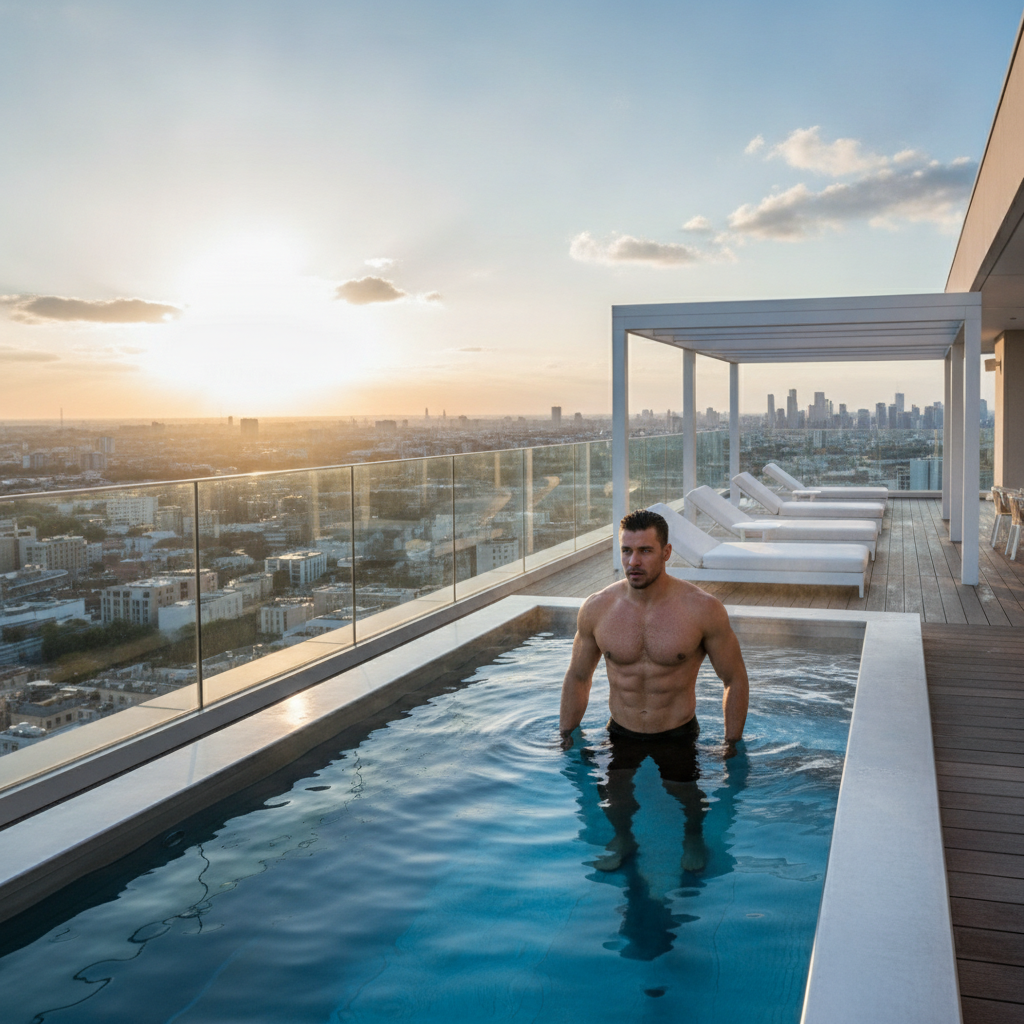
Cold plunge therapy for athletes hotel programs are quickly becoming one of the sharpest ways for properties to capture a lucrative, underserved traveler segment: the performance-focused guest. Marathoners, triathletes, tennis players, and traveling team-sport athletes are actively searching for lodging that supports recovery, not just sleep. For hotel General Managers and Spa & Wellness Directors, understanding how to position cold plunge therapy for athletes hotel offerings — as a distinct market strategy rather than a generic spa add-on — is the difference between a nice amenity and a genuine revenue and reputation driver.
TL;DR — The Bottom Line
Cold plunge therapy for athletes hotel programs work best when positioned around short-term recovery — reduced soreness, faster perceived recovery, and a reset between training sessions or competitions — rather than as a cure-all wellness gimmick. Hotels that pair cold plunge with clear protocols (10–15°C for 10–15 minutes), athlete-specific marketing, and event-timed availability see the strongest differentiation and guest loyalty from sports travelers.
What Is Cold Plunge Therapy for Athletes Hotel Programming?
Cold plunge therapy for athletes hotel programming is the practice of designing a hotel's cold-water immersion amenity specifically around the needs of athletic travelers — as opposed to general spa guests seeking relaxation. This distinction matters enormously for positioning, staffing, and marketing. A generic spa cold plunge is framed around indulgence and stress relief. A cold plunge therapy for athletes hotel program is framed around performance: soreness reduction, recovery windows, and readiness for the next competitive or training session.
This shift in framing changes almost everything about how a property should talk about the amenity, who it should target, and when it should be promoted most aggressively (think marathon weekends, tournament weeks, and training camp season).
Quick Facts
- Effective temperature range: 50–59°F (10–15°C) for 10–15 minutes is the range most commonly cited as effective for recovery purposes.
- Peak benefit window: Reductions in muscle soreness and damage markers are most consistently observed 24–48 hours post-exercise.
- Performance restoration: Effects on long-term performance outcomes remain mixed and context-dependent.
- Caution for hypertrophy training: Repeated cold immersion after resistance training aimed at muscle growth may blunt adaptation signaling.
- Market direction: Hotels are shifting from single-feature "ice bath" amenities toward bundled recovery suites with sauna, compression, and red-light therapy.
Why Athletes Are Driving Demand for Cold Plunge Therapy for Athletes Hotel Amenities
Athletic travel has quietly become one of the most valuable niches in hospitality. Race weekends, club tournaments, collegiate travel squads, and corporate wellness retreats all bring guests who train hard, compete on tight schedules, and actively look for recovery infrastructure when choosing where to stay. Unlike leisure travelers who may or may not use a spa, athletic travelers often make lodging decisions specifically because of recovery amenities.
This is where cold plunge therapy for athletes hotel positioning outperforms generic wellness messaging. A marathon runner scanning hotel options during race week isn't looking for "relaxation" — they're looking for a way to reduce soreness before tomorrow's flight home or next week's training block. Hotels near major race routes, sports complexes, and training facilities have a built-in audience for cold plunge therapy for athletes hotel packages, and many are already capitalizing on it by timing availability and marketing around event calendars.
Properties near marathon routes, triathlon courses, sports complexes, university athletic facilities, and convention centers hosting team travel see the strongest demand, since their guest mix already skews toward physically active travelers.
The Science: What Cold Plunge Therapy for Athletes Hotel Guests Can Actually Expect
Hotels marketing cold plunge therapy for athletes hotel amenities need to be precise about what the evidence actually supports, because overselling the benefits erodes guest trust and invites skepticism from sports-savvy travelers. Recent systematic reviews of cold-water immersion research point to a fairly consistent pattern: benefits are real, but narrow and time-bound.
According to a 2025 systematic review, cold-water immersion consistently reduced muscle soreness and biomarkers of muscle damage — including creatine kinase and lactate dehydrogenase — in the 24 to 48 hour window following intense exercise (PubMed, National Library of Medicine). A separate review found that meta-analyses show cold-water immersion reduces delayed-onset muscle soreness (DOMS) at 24–96 hours and improves athletes' perceived recovery, though inflammatory markers and long-term performance outcomes remain inconsistent across studies (PubMed, National Library of Medicine).
An earlier meta-analysis specifically found that cold-water immersion improved muscular power recovery at 24 hours after eccentric and high-intensity exercise, and reduced serum creatine kinase and soreness compared with passive recovery methods (PMC, National Institutes of Health). This is meaningful for hotels: it means cold plunge therapy for athletes hotel amenities are best marketed for the exact scenario most traveling athletes face — recovering fast enough to train, compete, or travel again within a day or two.
One important caveat worth training front-desk and spa staff on: repeated cold immersion after hypertrophy-focused resistance training may blunt muscle-growth signaling. This means a cold plunge therapy for athletes hotel program should be positioned as a situational recovery tool tied to competition, travel days, or heavy training loads — not as a nightly ritual recommended indiscriminately to every strength-training guest.
How Cold Plunge Therapy for Athletes Hotel Programs Differ From Generic Ice Baths
Many hotels already have some version of a cold plunge sitting in the spa, marketed loosely as a "cold therapy" experience for any guest. A true cold plunge therapy for athletes hotel program is structurally different in three ways: protocol, timing, and messaging.
- Protocol: Athlete-focused programs specify temperature (typically 50–59°F / 10–15°C) and duration (10–15 minutes), rather than leaving immersion open-ended.
- Timing: Availability and staff recommendations are built around post-exercise windows — ideally within a few hours of a hard training session, race, or match — rather than generic "anytime" spa access.
- Messaging: Marketing speaks directly to soreness reduction, recovery between sessions, and readiness for competition, rather than vague relaxation or detox language.
Hotels that make this shift find that cold plunge therapy for athletes hotel amenities resonate far more strongly with sports travelers because the messaging matches what those guests are actually trying to solve.
Comparing Generic Spa Cold Plunge vs. Athlete-Focused Programs
| Factor | Generic Spa Cold Plunge | Cold Plunge Therapy for Athletes Hotel Program |
|---|---|---|
| Positioning | Relaxation, stress relief | Soreness reduction, recovery between sessions |
| Protocol | Open-ended, guest discretion | Defined temperature and duration (10–15°C, 10–15 min) |
| Timing focus | Anytime during stay | Post-training or post-competition windows |
| Target guest | General leisure traveler | Athletes, race participants, traveling teams |
| Marketing tie-in | Standard spa menu | Race weekends, tournaments, training camps |
No. While dedicated recovery suites are one approach, many properties successfully layer athlete-focused protocols, staff training, and event-based marketing onto existing cold plunge equipment without major construction.
Building a Cold Plunge Therapy for Athletes Hotel Program: Positioning & Guest Segments
The strongest cold plunge therapy for athletes hotel programs are built around specific guest segments rather than a one-size-fits-all wellness pitch. Consider these high-value groups:
- Endurance event travelers: Marathon, triathlon, and cycling event participants who need fast recovery before travel days.
- Traveling team sports: Collegiate and club teams whose schedules require recovery between games during multi-day tournaments.
- Individual competitive athletes: Tennis, golf, and combat sports competitors traveling for tournaments with back-to-back match days.
- Corporate performance travelers: Executives and consultants who train seriously and value recovery infrastructure while on business trips.
Properties like HotelPlunge work with hotels to align cold plunge equipment choices and protocol design with these specific segments, rather than treating the amenity as generic spa decor. This segmentation-first approach is a meaningful point of differentiation, since most competitors still market cold plunge as an undifferentiated luxury feature.
Comparing Approaches: Recovery Suites vs. Standalone Cold Plunge Programs
Some properties are bundling cold plunge with sauna, compression therapy, and red-light therapy into full recovery suites, following a broader industry trend toward protocol-driven heat-and-cold programming. Others are taking a leaner approach: a well-positioned standalone cold plunge therapy for athletes hotel offering, supported by clear signage, trained staff, and event-based marketing.
Both approaches can work, and the right choice depends on property size, guest mix, and capital appetite. What matters most — regardless of scale — is that the cold plunge component itself is framed and operated with athlete recovery science in mind, not left as an ambient spa feature nobody explains to guests.
Not necessarily. A single, well-protocolled cold plunge unit with clear athlete-focused messaging can be highly effective; full recovery suites make more sense for properties with heavy athletic event traffic or ambitions to become a destination for sports travelers.
Common Mistakes Hotels Make With Athlete-Focused Cold Plunge Programs
Even well-intentioned properties stumble when launching cold plunge therapy for athletes hotel amenities. The most frequent missteps include:
- Overpromising benefits: Marketing copy that claims cold plunge "cures inflammation" or "boosts immunity" invites pushback from informed athletic guests and risks credibility.
- No temperature or timing guidance: Leaving protocol entirely to guest discretion reduces both safety and effectiveness.
- Ignoring event calendars: Failing to time promotions around local races, tournaments, or training camps wastes the amenity's strongest demand window.
- Treating it as decor, not infrastructure: Positioning cold plunge as a passive spa feature rather than active recovery infrastructure undersells its value to performance-minded guests.
- Untrained front-line staff: Guests frequently ask front-desk and concierge staff about the amenity; staff who can't explain the protocol lose a valuable upsell moment.
Avoiding these mistakes is often what separates a forgettable amenity from a cold plunge therapy for athletes hotel program that genuinely drives bookings from sports travelers and event organizers.
Frequently Asked Questions
What is cold plunge therapy for athletes hotel amenities designed to do?
It's designed to support short-term recovery — primarily reducing muscle soreness and helping athletes feel ready to train, compete, or travel again — typically within 24 to 48 hours after intense exercise.
What temperature and duration should a hotel cold plunge program use?
Most protocols cited in the research point to water temperatures between 50–59°F (10–15°C) for 10–15 minutes as an effective recovery range for athletic guests.
Is cold plunge therapy for athletes hotel programming appropriate for strength-training guests?
It can be, but with caution. Repeated cold immersion immediately after hypertrophy-focused resistance training may blunt muscle-growth adaptations, so it's best positioned as a situational tool tied to competition or heavy training days rather than a nightly habit for strength athletes.
How is a cold plunge therapy for athletes hotel program different from a regular spa cold plunge?
The athlete-focused version uses defined temperature and duration protocols, is timed around post-exercise recovery windows, and is marketed specifically to sports travelers rather than framed as general relaxation.
Which guests should hotels target with athlete-focused cold plunge marketing?
Endurance event participants, traveling sports teams, individual competitive athletes, and performance-minded business travelers are the highest-value segments for this amenity.
Conclusion: Positioning Your Property for the Athlete Recovery Market
Cold plunge therapy for athletes hotel programming is no longer a niche curiosity — it's becoming a recognizable expectation among traveling athletes who choose lodging based on recovery infrastructure. The properties that win this segment won't be the ones with the fanciest equipment alone; they'll be the ones that pair evidence-based protocols with clear, honest messaging and marketing timed to the athletic calendar.
For hotel General Managers, Spa & Wellness Directors, and property owners exploring how to build or refine a cold plunge therapy for athletes hotel offering, the opportunity is to move beyond generic wellness branding and speak directly to the guests who most need — and will pay for — real recovery. HotelPlunge works with properties to design equipment and protocol strategies suited to exactly this kind of athlete-focused positioning. If your property is ready to turn recovery into a competitive advantage, now is the time to start building that reputation among the athletes already traveling to your market.