Maintenance of Hotel Cold Plunge Units: A Complete Guide
September 30, 2026 · 13 min read
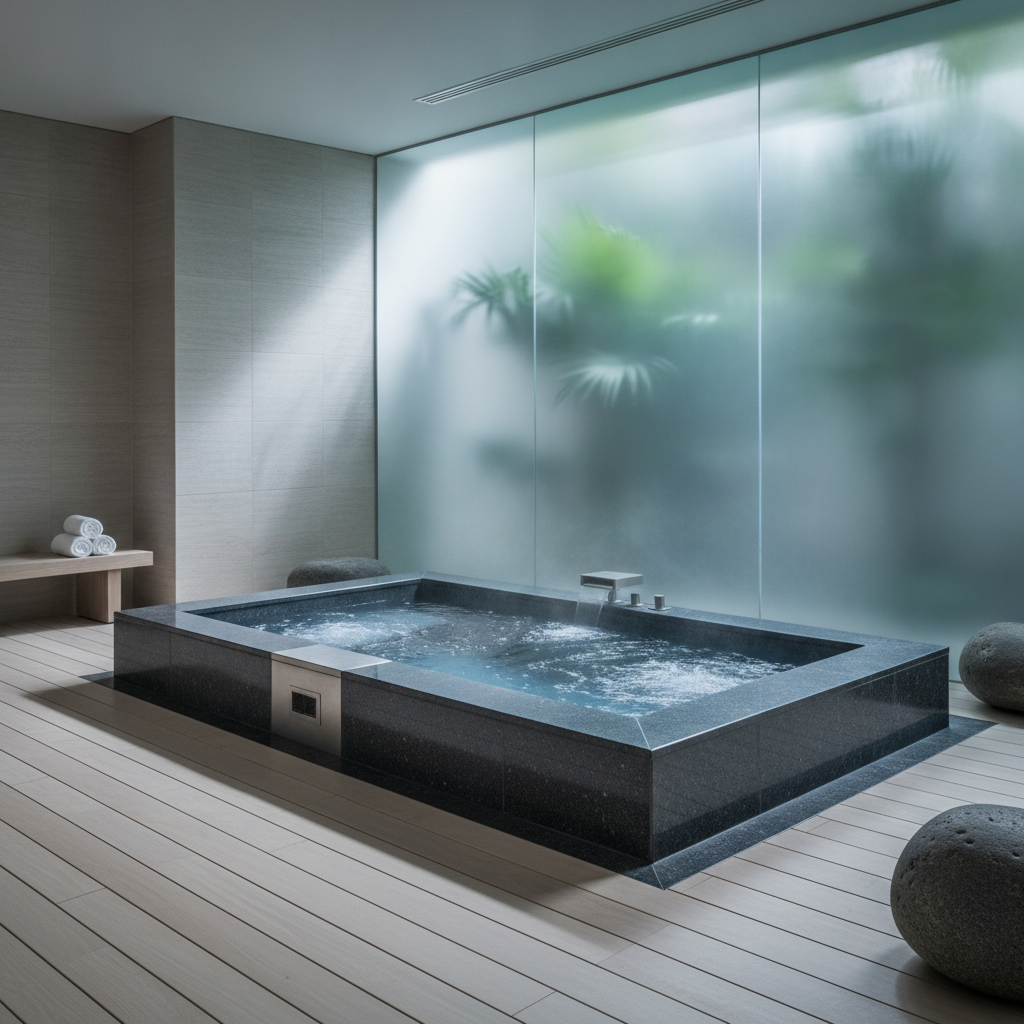
Effective maintenance of hotel cold plunge units is what separates a signature wellness amenity that delights guests for a decade from a liability that clouds, leaks, or fails a health inspection within its first year. Unlike a residential ice bath, a hotel cold plunge is a shared aquatic feature used by dozens of guests weekly, which means it must be operated, tested, and serviced like any other commercial pool or spa asset. This guide walks hotel general managers, spa directors, and property owners through the exact maintenance of hotel cold plunge units programs that protect guest health, extend equipment life, and keep properties compliant with local health codes.
TL;DR — The Bottom Line
The maintenance of hotel cold plunge units requires daily water testing, continuous filtration and circulation, weekly filter and hair-catch cleaning, periodic chiller inspection, and documented staff training. Cold plunges that aren't drained between every guest are treated as spa-like aquatic venues under public health guidance, which typically means free chlorine of 2.0–7.0 ppm or bromine of 4.0–10.0 ppm and a turnover time of one hour or less. Skipping any layer of this program shortens equipment lifespan, increases chemical costs, and creates real compliance risk.
Quick Facts
- Turnover time benchmark: one hour or less for non-drain-between-use cold plunges under Model Aquatic Health Code guidance
- Free chlorine range: 2.0–7.0 ppm (or bromine 4.0–10.0 ppm) for spa-classified plunge systems
- Filter cleaning interval: every 2–4 weeks under general use; weekly hair-catch cleaning is standard for commercial units
- High-load water changes: daily water and filter changes recommended at roughly 50 plunges per day by at least one commercial manufacturer
- Minimum daily testing: pH, sanitizer level, and temperature, logged every shift with staff initials
What the Maintenance of Hotel Cold Plunge Units Actually Involves
The single biggest mistake hotels make is treating a cold plunge like an oversized bathtub. The commercial baseline for the maintenance of hotel cold plunge units is a recirculating, hard-plumbed system with continuous filtration, circulation, and a measurable disinfectant residual. Systems that rely solely on UV light, ozone, or hydrogen peroxide should never be assumed to satisfy public-health requirements on their own — a halogen residual (chlorine or bromine) is frequently still required under applicable state and local codes.
The Centers for Disease Control and Prevention's Model Aquatic Health Code (MAHC) is the reference framework most local health departments draw from when classifying and regulating cold plunges that are not drained between users. Under that guidance, these units are generally treated as spa-like aquatic venues, which carries specific requirements for turnover time, sanitizer residual, and testing frequency.
Often, yes. Many local health authorities classify cold plunges that aren't drained between each guest as spa-like aquatic venues, which means they are subject to sanitizer residual, turnover time, testing, and record-keeping requirements similar to a spa or hot tub — not a simple bathtub.
Local authority having jurisdiction (AHJ) requirements always take precedence over general industry guidance. Before finalizing an operating protocol, hotel operators should confirm classification, required sanitizer levels, testing frequency, ventilation standards, drainage rules, accessibility requirements, and record-retention timelines directly with their local health department, their insurer, and the equipment manufacturer.
Daily Maintenance of Hotel Cold Plunge Units: The Non-Negotiables
Daily tasks form the backbone of the maintenance of hotel cold plunge units, and they should be assigned to a specific staff role — not left to whoever happens to be on shift. At minimum, every property should complete the following each day the unit is in use:
- Test and record pH, free chlorine or bromine, water temperature, and — where locally required — combined chlorine or other chemistry indicators.
- Verify that circulation, filtration, sanitizer dosing, alarms, and the chiller are functioning correctly.
- Inspect water clarity, surface condition, unusual odor, foam, leaks, and visible debris.
- Remove hair, lint, and debris from the waterline, skimmer, drain covers, and surrounding deck.
- Confirm access covers, steps, handrails, anti-slip surfaces, and emergency equipment are secure and functional.
- Record the date, time, test results, staff initials, corrective actions, and any guest incident in a maintenance log.
Some commercial service providers recommend daily logging of pH, free chlorine, and temperature, supplemented by more comprehensive testing twice weekly. Whatever cadence a property chooses, it should be documented in a written standard operating procedure and aligned with the manufacturer's operating manual and the local AHJ.
Weekly and Biweekly Maintenance Protocols
Weekly tasks catch problems before they become expensive failures. A consistent weekly rhythm is one of the most overlooked parts of the maintenance of hotel cold plunge units, particularly at properties running lean housekeeping or engineering teams.
- Clean the hair catch or strainer — commercial manufacturers commonly identify weekly cleaning as the baseline for commercial use, with more frequent cleaning needed during peak occupancy.
- Inspect filter pressure, flow rate, pump noise, unions, valves, hoses, and seals for wear or leaks.
- Clean the tub shell, waterline, cover, and surrounding floor and splash zones with products compatible with both the unit's finish and the sanitizer system in use.
- Review chemical consumption trends. Unexplained increases can signal high bather load, contamination, a slow leak, poor dosing calibration, or inadequate circulation.
- Check that signage covers pre-use showering, health restrictions, maximum occupancy, session time limits, and emergency procedures.
On a two-to-four-week cycle — or sooner if pressure gauges or usage data indicate the need — cartridge filters should be cleaned or replaced entirely. High-traffic installations, such as those near a fitness center or spa circuit, may require filter service far more frequently than lower-traffic in-suite units. One commercial manufacturer even recommends daily water and filter changes at usage levels around fifty plunges per day, illustrating just how directly bather load drives the maintenance of hotel cold plunge units.
| Task | Typical Interval | Why It Matters |
|---|---|---|
| Water chemistry testing and logging | Every shift / daily | Confirms sanitizer and pH stay within safe operating range |
| Hair catch / strainer cleaning | Weekly (or more at high load) | Prevents clogged flow and reduced circulation |
| Filter cleaning or replacement | Every 2–4 weeks, or per pressure gauge | Maintains turnover time and water clarity |
| Full water change | Usage-dependent; daily at very high bather loads | Removes accumulated organic load and biofilm risk |
| Chiller and mechanical inspection | Monthly or per manufacturer schedule | Prevents unexpected downtime and extends compressor life |
Water Chemistry Standards Every Property Must Meet
Water chemistry sits at the core of the maintenance of hotel cold plunge units, and it's the area most likely to trigger a health department citation if neglected. Under Model Aquatic Health Code guidance summarized by industry procurement resources, cold plunges that are not drained between users and are treated as spa-like venues generally require:
- A turnover time of one hour or less
- Free chlorine between 2.0 and 7.0 ppm, or bromine between 4.0 and 10.0 ppm
- Regular pH testing, typically targeting the 7.2–7.8 range common to spa-style venues
These figures are a starting reference point, not a substitute for confirming exact numbers with the local AHJ, which may impose stricter or different standards depending on jurisdiction. Cold water itself complicates chemistry management: lower temperatures slow chemical reactions and can make sanitizer less effective at the same dose used in a warm spa, which is why many commercial cold plunge systems are engineered with slightly different dosing logic than hot tubs.
It depends heavily on bather load and system design. Lower-traffic in-suite units may go considerably longer between full water changes if filtration and sanitizer levels remain within range, while high-traffic shared units — some manufacturers cite roughly fifty uses per day as a threshold — may need a complete water and filter change daily to maintain water quality and comply with local health codes.
Because bather load varies so widely between an in-suite amenity and a shared spa-floor installation, the maintenance of hotel cold plunge units cannot be reduced to a single universal number. Properties should document their own bather-load-adjusted schedule, validate it against chemical test results over several weeks, and revise it whenever usage patterns change — for example, after a wellness marketing push increases foot traffic.
Filtration, Circulation, and Chiller Care
Commercial cold plunge designs increasingly integrate chillers, filtration, ozone or UV supplements, automated controls, and remote monitoring. These features reduce manual labor and improve consistency, but they do not eliminate the need for physical inspection, chemical testing, cleaning, and mechanical maintenance — remote monitoring flags problems, it doesn't fix them.
Chiller care deserves particular attention because it is the component most likely to fail expensively if neglected. Recommended practices include:
- Keep chiller ventilation clear of towels, linens, storage boxes, and other obstructions that restrict airflow and cause overheating.
- Inspect refrigerant lines, condenser coils, and drainage for leaks, corrosion, or mineral buildup on a monthly basis.
- Listen for abnormal compressor noise or cycling patterns, which often precede a costly failure.
- Confirm the chiller is sized appropriately for ambient room temperature and bather load; undersized units work harder and fail sooner.
- Schedule an annual professional service visit, even if the unit shows no obvious issues, to inspect components not visible during routine daily checks.
Pumps, valves, unions, and hoses should be inspected weekly for drips, corrosion, or wear, since a small leak in a mechanical closet can go unnoticed for weeks and cause both water loss and biofilm growth behind walls. This mechanical layer of the maintenance of hotel cold plunge units is exactly where manufacturer documentation and OEM support matter most — a property working with a hospitality-focused equipment partner such as HotelPlunge benefits from access to service documentation and support built specifically for commercial hotel use, rather than adapted from a residential product line.
Staff Training, Documentation, and Compliance
Even the best-engineered system fails without trained staff. A written, role-assigned protocol is what turns the maintenance of hotel cold plunge units from an occasional afterthought into a reliable operational discipline. At minimum, properties should:
- Designate a specific role (often engineering or spa staff) responsible for daily testing and logging, with a documented backup person for days off.
- Train staff on correct use of test kits, chemical handling and storage safety, and when to escalate an out-of-range reading to a supervisor or service provider.
- Maintain a written log — paper or digital — that records every test, cleaning, and corrective action for at least the retention period required by the local AHJ.
- Post clear guest-facing signage covering pre-use showering, health contraindications, maximum session time, and emergency procedures.
- Review logs monthly with a manager to catch slow drifts in chemical consumption, filter pressure, or guest complaints before they become larger issues.
Documentation isn't just a compliance box to check — it's also the property's best defense in the event of a guest incident or health department audit. A clean, consistent log demonstrating disciplined maintenance of hotel cold plunge units can materially reduce liability exposure and insurance friction.
Either department can own it, but the key is clear, singular accountability. Properties that split responsibility between engineering (mechanical checks) and spa or wellness staff (daily chemistry and guest-facing tasks) tend to see the best results, provided both teams share a common log and communicate immediately when readings fall outside range.
Common Mistakes That Shorten Equipment Life
Most premature cold plunge failures trace back to a handful of avoidable mistakes in the maintenance of hotel cold plunge units:
- Assuming "chemical-free" claims eliminate testing. Ozone and UV systems still typically require a backup halogen residual under most health codes; skipping testing because a system is marketed as chemical-free is a common and risky assumption.
- Under-cleaning filters at high bather loads. A filter cleaned on a fixed calendar schedule regardless of usage will clog faster during busy seasons, reducing circulation and turnover time below required thresholds.
- Ignoring chiller ventilation. Blocked airflow around a chiller is one of the most common causes of early compressor failure, often turning a simple maintenance issue into a full equipment replacement.
- No written log or rotating responsibility. Verbal habits disappear when staff turn over; without documentation, new hires often skip steps that were never written down.
- Delaying full water changes at high usage. Waiting for visibly cloudy water rather than following a usage-based schedule allows organic load and biofilm risk to build up well before the problem becomes visible.
- Treating in-suite units as maintenance-free because they're smaller. Smaller water volume actually means chemistry can swing out of range faster, not slower, making consistent testing just as important as in shared spa installations.
Avoiding these mistakes is largely a matter of discipline rather than cost — most corrective steps require staff time and a written checklist rather than significant capital investment.
Frequently Asked Questions
What is the recommended maintenance schedule for hotel cold plunge units?
A complete schedule includes daily water testing and logging, weekly hair-catch and filter-pressure checks, filter cleaning or replacement every two to four weeks (or more often at high bather loads), monthly chiller and mechanical inspection, and an annual professional service visit. Exact intervals should be confirmed against manufacturer guidance and local health department requirements.
How often should hotel cold plunge water be changed?
It depends on bather load and system design. Lower-use in-suite units may go longer between full changes if chemistry stays in range, while high-traffic units can require a full water and filter change daily; some manufacturers cite roughly fifty plunges per day as a threshold for daily changes.
What water chemistry levels are required for hotel cold plunge units?
Under Model Aquatic Health Code guidance for spa-like venues, free chlorine typically needs to fall between 2.0 and 7.0 ppm, or bromine between 4.0 and 10.0 ppm, with a turnover time of one hour or less. Local health authorities may set different or additional requirements, so operators should confirm exact figures with their AHJ.
Can UV or ozone systems replace chlorine or bromine in a hotel cold plunge?
Generally no. UV and ozone are supplemental treatments that improve water quality, but most health codes still require a measurable halogen residual to protect against contamination that occurs after treatment. Operators should not assume a chemical-free marketing claim satisfies public health requirements.
Who should be responsible for maintaining a hotel cold plunge unit?
A clearly designated staff role — often shared between engineering for mechanical checks and spa or wellness staff for daily chemistry testing — works best. The critical factor is documented accountability with a written log, not which department owns the task.
Building a Maintenance of Hotel Cold Plunge Units Program That Lasts
The properties that get the most value from their cold plunge investment are the ones that treat the maintenance of hotel cold plunge units as an ongoing operational program, not a one-time installation checklist. That means daily testing and logging, weekly mechanical and cleanliness checks, usage-adjusted filter and water-change schedules, monthly chiller inspection, and a trained, accountable staff team backed by clear documentation. Getting this right protects guest safety, keeps the property compliant with local health codes, and dramatically extends the useful life of the equipment itself.
HotelPlunge works with hotel general managers, spa directors, and property owners to specify commercial-grade cold plunge systems built for exactly this kind of sustained, code-aware operation — not adapted residential products. If your property is evaluating a new installation or looking to tighten up maintenance protocols on an existing unit, visit HotelPlunge to talk with a team that understands hospitality operations, not just cold water equipment.