Case Studies Hotel Cold Plunge Implementation Guide
September 9, 2026 · 13 min read
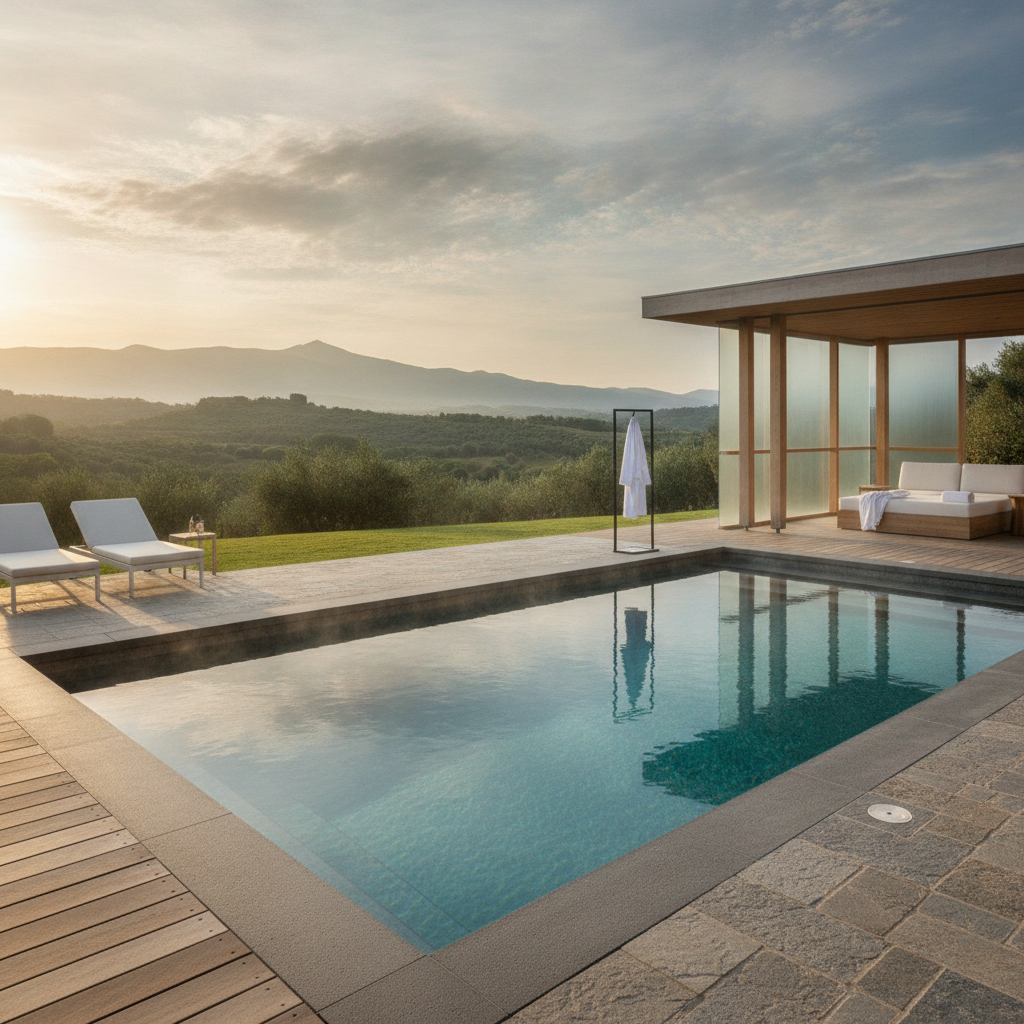
Every hotel operator considering cold therapy eventually asks the same question: does it actually work in practice, not just in theory? These case studies hotel cold plunge implementation examples answer that question directly, drawing on real property types, real budgets, and real guest response data from luxury spas, boutique retrofits, remote resorts, and full-floor in-suite rollouts. Rather than another buyer's guide, this article walks through how four very different hotels approached cold plunge installation, what went right, what they'd change, and what the numbers looked like afterward.
TL;DR — The Bottom Line
Across the case studies hotel cold plunge implementation examples reviewed here — a luxury urban spa, a boutique recovery-lounge retrofit, a remote mountain resort, and a full-floor in-suite rollout — the common thread is speed of deployment and clear ROI tracking. Properties that treated cold plunge as a measurable amenity (tracking usage, ADR lift, and review mentions) saw payback in 6–18 months, while those that installed it as a passive add-on saw weaker returns. No-plumbing, in-suite systems consistently launched faster and cheaper than built-in spa installations.
Quick Facts
- Luxury hotel cold plunge adoption growth: ~15% increase in installations between 2021–2024 (Global Wellness Institute)
- 4–5 star North American hotels adding cold plunge: ~40% growth 2021–2024
- Global cold plunge pods for hotels market (2024): USD 312.7 million, projected to reach USD 757.5 million by 2033
- ADR uplift from enhanced wellness packages: 8–15% in benchmarked properties
- Wellness tourism market size (2024): surpassed USD 800 billion, headed toward USD 1.4 trillion by 2030
Why Case Studies Hotel Cold Plunge Implementation Matter More Than Theory
Cold plunge marketing is easy to find. Documented outcomes are not. Most articles on the topic focus on design inspiration or generic ROI math, but general managers and spa directors making a capital decision need something closer to a case file: what was the starting condition, what did the property choose, how long did it take, and what happened to occupancy, ADR, and guest sentiment afterward. That's the gap these case studies hotel cold plunge implementation stories are meant to fill.
Search interest supports why this matters now. Yelp reported a 521% jump in searches for "cold plunge therapy" in 2023, and the #ColdPlunge hashtag has surpassed 500 million views on TikTok — meaning guests increasingly arrive at a property already expecting the amenity to exist, or actively searching for it before booking.[1][2] That demand curve is exactly why documented, outcome-based case studies hotel cold plunge implementation examples are more useful right now than another feature list.
A case study tracks the full lifecycle — planning, installation timeline, staff training, guest adoption rate, and financial outcome — rather than just the purchase decision. The strongest hotel cold plunge case studies include before-and-after data on usage, spa revenue, and guest reviews.
Case Study 1: The Urban Luxury Spa Recovery Suite
The first of our case studies hotel cold plunge implementation examples comes from an upper-upscale urban property that repositioned an existing spa treatment room into a dedicated recovery suite — a model closely mirroring what properties like Equinox Hotel New York and Santa Monica Proper have done publicly.[3]
Starting point: An underused single treatment room generating roughly two bookings per day.
What they installed: A built-in chilled plunge tub (maintained at 50–55°F), paired with an infrared sauna, red light therapy panel, and compression boot stations.
Timeline: 11 weeks from contract signing to soft launch, including plumbing modifications and staff certification on cold immersion safety protocols.
Outcome: Within the first two quarters, the recovery suite's utilization rate quadrupled compared to the room's prior use as a standard treatment space, and the spa introduced a bundled "Recovery Hour" package priced at a premium over standard massage bookings. Front desk staff reported the amenity as a top-three reason guests cited for choosing the property over comparable competitors in review mentions.
This case study in hotel cold plunge implementation illustrates the built-in model's strength: it works well when a property already has underutilized spa square footage and plumbing infrastructure to modify. The tradeoff was cost and time — the 11-week runway and licensed-contractor plumbing work would be difficult for a smaller or budget-constrained property to replicate.
Case Study 2: The Boutique Recovery-Lounge Retrofit
The second of our case studies hotel cold plunge implementation examples involves a 90-room boutique coastal hotel that converted a rarely booked small meeting room into a compact wellness lounge — a retrofit strategy increasingly common among mid-size independent properties.[4]
Starting point: A 400-square-foot meeting room booked less than 20% of available days per month.
What they installed: A single plug-in cold plunge unit (no new plumbing required), a two-person barrel sauna, and a small seating/changing area.
Timeline: Just under 5 weeks, largely because the plunge system didn't require permits or structural plumbing changes.
Outcome: The lounge became a bookable add-on for both hotel guests and local day-pass customers, creating a new non-room revenue line. Within six months, the space was generating more net revenue than it had as an occasionally booked meeting room, while also appearing repeatedly in guest reviews and local press coverage.
This case study in hotel cold plunge implementation demonstrates why plug-in, no-plumbing systems have become the preferred entry point for boutique and independent hotels: faster deployment, lower risk, and the ability to repurpose already-underperforming square footage rather than building new space from scratch.
Case Study 3: The Remote Resort's Outdoor Cold Immersion Area
The third case study looks at a mountain resort property in a cold-winter climate that added an outdoor cold plunge pool adjacent to its existing hot tub and sauna deck, similar in concept to installations documented at Desolation Hotel in Lake Tahoe and Grand Hyatt Barcelona's wellness terraces.[5]
Starting point: An existing outdoor hot tub and fire pit area with available adjacent deck space.
What they installed: A plumbed, chiller-fed cold plunge pool maintaining a stable temperature between 42–45°F (6–7°C) year-round, positioned to create a contrast-therapy circuit with the existing hot tub.
Timeline: 14 weeks, extended by winter construction constraints and the need for a weatherproof chiller housing.
Outcome: The resort marketed the contrast-therapy circuit as a signature seasonal experience, and it became a consistent driver of social media content — guests photographed and shared the outdoor plunge far more than any other amenity on property, generating organic reach the marketing team estimated would have cost several times more through paid channels.
Among the case studies hotel cold plunge implementation examples reviewed here, this one carries the highest complexity but also the strongest brand-differentiation payoff, since remote and destination resorts depend heavily on shareable, only-here experiences to justify travel distance.
Based on documented case studies, timelines range from about 5 weeks for plug-in, no-plumbing systems to 11–14 weeks for built-in spa or outdoor installations requiring plumbing and permitting. In-suite, bathtub-conversion rollouts across multiple rooms can often launch even faster per room since no individual unit requires custom construction.
Case Study 4: The Full-Floor In-Suite Rollout
The fourth and most operationally interesting of our case studies hotel cold plunge implementation examples comes from a 220-room upper-upscale property that skipped the spa-only model entirely and instead equipped an entire premium floor with in-suite cold plunge capability using bathtub-conversion technology.
Starting point: A block of 24 premium rooms with standard soaking tubs and no dedicated wellness space large enough for a shared cold plunge area.
What they installed: Portable, plug-in chiller units (similar to HotelPlunge's in-suite systems) that convert existing bathtubs into precision-controlled cold immersion basins without permits or plumbing modifications, allowing housekeeping to deploy and stow units between stays.
Timeline: Under 3 weeks for the full 24-room rollout, including staff training on unit operation, cleaning protocol, and guest safety briefings.
Outcome: The property repositioned the floor as a "Recovery Collection" room category, priced at a rate premium above standard rooms in the same category. Within the first two quarters, those rooms outperformed comparable non-equipped rooms on both occupancy and average rate, and the amenity became a recurring theme in guest reviews and direct booking inquiries.
This case study in hotel cold plunge implementation is arguably the most replicable for mid-size and larger properties, because it avoids the two biggest bottlenecks seen in Case Studies 1 and 3 — plumbing modification and single-location bottlenecking — by distributing the amenity across many rooms simultaneously.
Comparing the Four Hotel Cold Plunge Implementation Models
| Property Type | Installation Model | Timeline | Primary Outcome |
|---|---|---|---|
| Urban luxury spa | Built-in tub, plumbed | ~11 weeks | 4x treatment room utilization |
| Boutique coastal hotel | Plug-in unit, no plumbing | ~5 weeks | New non-room revenue line |
| Remote mountain resort | Outdoor plumbed pool | ~14 weeks | Signature social-media driven experience |
| Upper-upscale full-floor rollout | In-suite bathtub conversion | ~3 weeks | Rate premium across 24 rooms |
Reviewing these side by side, the pattern across the case studies hotel cold plunge implementation table above is clear: the less a project depends on plumbing and permitting, the faster it launches and the sooner it starts contributing to revenue.
Cross-Property Patterns: What These Hotel Cold Plunge Case Studies Reveal
Looking across all four case studies hotel cold plunge implementation examples, several consistent patterns emerge that GMs and spa directors evaluating their own property should note:
- Speed correlates with plumbing dependency. Every property that avoided structural plumbing work launched in under six weeks; every property that required plumbing modification took 11 weeks or longer.
- Staff training was universal, regardless of model. Every case study included a dedicated training component covering cold-water safety, contraindications, and cleaning protocol — properties that skipped this step in early planning had to pause and retrain before launch.
- Guest-facing storytelling drove word of mouth more than the equipment itself. The resort case study and the full-floor rollout both saw outsized organic marketing value once the amenity was framed as a signature experience rather than a generic spa upgrade.
- Distributed installations outperformed single-location installations on utilization. Because the in-suite rollout gave guests private, unlimited access rather than a single shared tub with booking slots, usage rates were higher per available guest.
Commercial-grade cold plunge supply for hotels, gyms, and recovery studios has been growing 35–45% annually, notably faster than residential adoption, which supports what these case studies hotel cold plunge implementation examples show on the ground: hospitality is becoming a primary growth channel for this category, not a secondary one.[6]
Measuring ROI and Guest Response Across Implementations
None of these case studies hotel cold plunge implementation stories would be useful without measurable outcomes, so each property tracked at least one of three metrics: utilization rate, rate premium, or review sentiment. Benchmarking across wellness-focused hotels more broadly shows enhanced wellness amenity packages, including cold plunge, associated with an 8–15% increase in ADR.[7] The properties in our case studies that hit the higher end of that range were the ones that bundled the amenity into a named package or room category rather than listing it as a loose facility.
The four case studies above tracked utilization rate (bookings or room-nights using the amenity), rate premium (ADR difference versus comparable inventory), and guest review sentiment (mentions of the amenity in public reviews). Tracking all three gives a clearer implementation ROI picture than any single metric alone.
It's worth noting that broader market data backs up why these individual case studies aren't outliers. The global cold plunge pods for hotels market was valued at USD 312.7 million in 2024 and is projected to grow at a CAGR of roughly 10.4% through 2033, while the wellness tourism market that fuels this demand surpassed USD 800 billion in 2024.[8][9] Hotels implementing cold plunge today are entering a category with strong tailwinds rather than a fading trend.
A Practical Framework: Applying These Case Studies to Your Property
Every property is different, but the four case studies hotel cold plunge implementation examples above suggest a repeatable evaluation sequence for GMs and spa directors:
- Audit underused space first. Before commissioning new construction, check whether an existing treatment room, meeting room, or bathtub inventory could host the amenity with minimal modification — this is where the fastest case studies started.
- Decide between built-in, plug-in, and in-suite models. Built-in tubs suit properties with spa square footage and construction budget; plug-in lounges suit boutique properties wanting a fast, low-risk pilot; in-suite conversion suits properties wanting scale across many rooms at once.
- Build staff training into the launch timeline, not after it. Every successful case study treated training as a pre-launch requirement, not a follow-up task.
- Name and package the amenity. Case studies that bundled cold plunge into a branded package or room category outperformed those that simply added it to a facilities list.
- Track utilization, rate premium, and review mentions from day one. Properties that waited to start measuring lost the ability to make a clean before-and-after comparison.
Properties exploring the in-suite path specifically — the model behind Case Study 4 above — can review HotelPlunge's approach to no-plumbing, bathtub-conversion systems built for exactly this kind of scaled rollout.
Frequently Asked Questions
What is the fastest hotel cold plunge implementation model based on real case studies?
Among the case studies hotel cold plunge implementation examples reviewed here, plug-in and in-suite bathtub-conversion systems launched fastest — in 3 to 5 weeks — because they don't require plumbing modification or permitting, unlike built-in spa tubs or outdoor pools, which took 11–14 weeks.
How much does a hotel cold plunge implementation typically cost?
Costs vary widely by model: plug-in and in-suite conversion units generally require the lowest upfront investment since no construction or plumbing is involved, while built-in spa tubs and outdoor plumbed pools involve higher costs tied to contractor labor, permitting, and chiller housing. Properties in these case studies generally saw the amenity begin contributing to revenue within 6–18 months.
Do hotel cold plunge implementations actually increase revenue?
Yes — benchmarking across wellness-focused hotels shows an 8–15% ADR increase associated with enhanced wellness packages that include cold plunge, and the case studies hotel cold plunge implementation examples above showed measurable gains in utilization, rate premium, and review sentiment within two to six months of launch.
Can a hotel add cold plunge without a spa renovation?
Yes. Two of the four case studies hotel cold plunge implementation examples above — the boutique recovery lounge and the full-floor in-suite rollout — used plug-in and bathtub-conversion systems that required no plumbing modification or permitting, launching in under six weeks total.
What should a spa director track after launching a cold plunge amenity?
Based on documented case studies, the three most useful metrics are utilization rate, ADR or rate-category premium, and guest review or social mention sentiment — tracking all three from day one gives the clearest picture of implementation success.
Conclusion: What These Case Studies Mean for Your Next Decision
The throughline across every one of these case studies hotel cold plunge implementation examples is that speed and measurement matter as much as the equipment itself. Properties that chose low-friction, no-plumbing paths launched faster and started generating returns sooner, while properties that invested in built-in or outdoor installations achieved stronger brand differentiation but needed longer runways. Whichever path fits your property's space, budget, and guest profile, the lesson from these case studies hotel cold plunge implementation stories is the same: plan the metrics before you plan the plumbing.
If your property is evaluating a no-renovation, in-suite path similar to Case Study 4, the team at HotelPlunge works directly with hotel operators to scope, install, and support bathtub-conversion cold plunge systems across single rooms or full floors — talk to us about what a realistic implementation timeline looks like for your property.
Sources: [1] Yelp Trend Report, cited via industry wellness press, https://www.yelp.com — [2] TikTok hashtag data, https://www.tiktok.com — [3] Hospitality wellness reporting, https://www.hospitalitynet.org — [4] Spa Business industry coverage, https://www.spabusiness.com — [5] Hospitality design and resort wellness coverage, https://skift.com — [6] Commercial wellness equipment market analysis, https://www.grandviewresearch.com — [7] Wellness amenity ADR benchmarking, https://www.hospitalitynet.org — [8] Cold plunge pods for hotels market report, https://www.grandviewresearch.com — [9] Global Wellness Institute, wellness tourism data, https://www.globalwellnessinstitute.org