Easy to Clean Hotel Cold Plunge: A Hygiene Playbook
September 12, 2026 · 13 min read
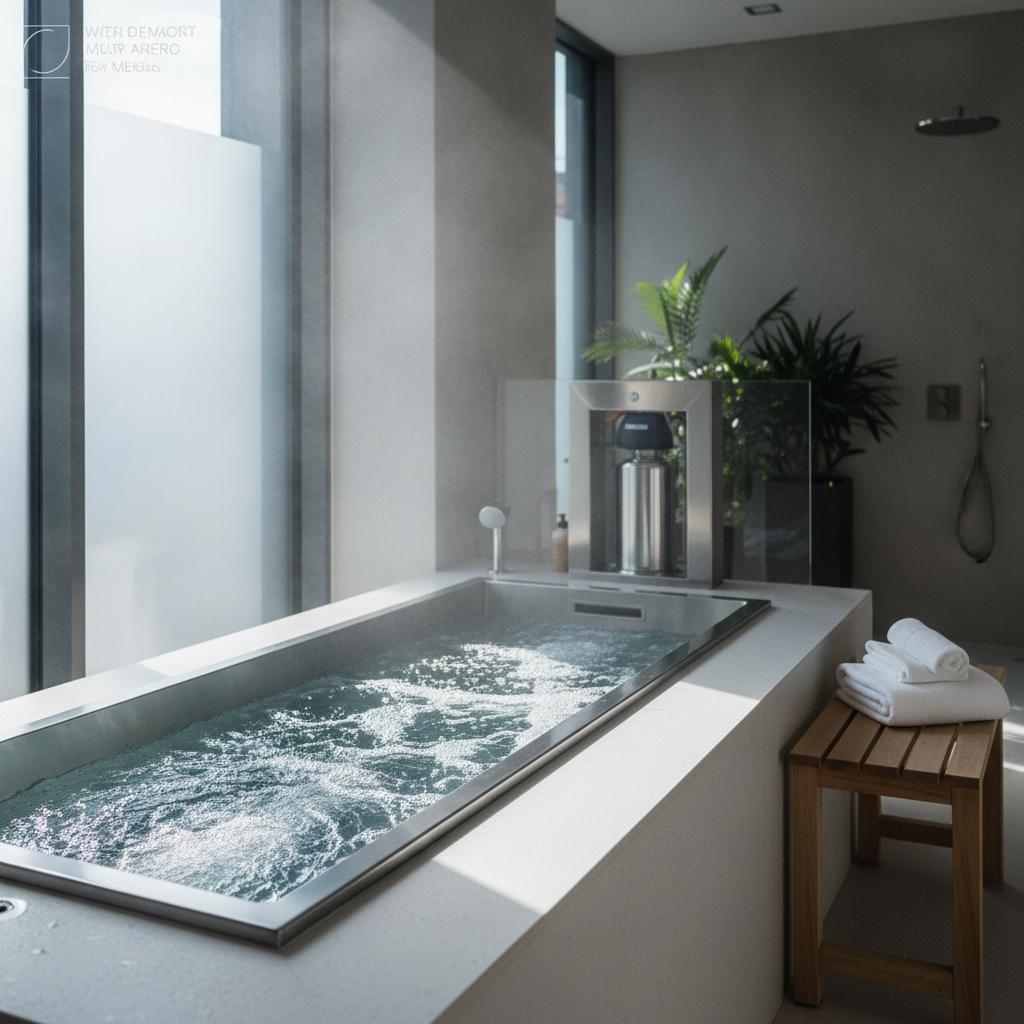
An easy to clean hotel cold plunge is no longer a nice-to-have — it's a operational necessity for any property offering cold therapy at scale. With guest turnover happening every 15–20 minutes in a busy spa, and hygiene expectations at an all-time high, hotels need cold plunge systems that stay sanitary without draining staff hours. This guide breaks down exactly what makes a cold plunge easy to clean, how to build a maintenance workflow around it, and what to look for before you buy.
TL;DR — The Bottom Line
An easy to clean hotel cold plunge combines non-porous surfaces, automated filtration and dosing, and a short between-guest reset protocol (roughly 5 minutes) to stay hygienic without pulling staff away from other duties. The best systems for hotels rely on remote monitoring and scheduled maintenance tiers — daily, weekly, monthly, and quarterly — rather than constant manual scrubbing, letting a single spa attendant manage multiple units per shift.
Quick Facts
- Guests per hour, per unit: 6–8 with a 5-minute reset between sessions
- Daily cleaning time (automated system): Under 15 minutes of staff attention
- Maintenance tiers: Daily, weekly, monthly, and quarterly/annual checks
- Staffing need: Standard spa/engineering staff, no specialized aquatic technician required for most units
- Hydrothermal category status: Cold plunges are now tracked as anchor amenities in hydrothermal circuits industry-wide
What Makes an Easy to Clean Hotel Cold Plunge Different
Not every cold plunge marketed to hotels is actually built for hotel operations. Many consumer-grade units are designed for a single household user who empties, refills, or deep-cleans the tub occasionally. A hotel environment is a completely different animal — dozens of guests per day, inconsistent pre-rinse habits, lotions, oils, sweat, and sunscreen all entering the water. An easy to clean hotel cold plunge is engineered from the ground up to handle that load without constant manual intervention.
The defining traits are consistent across the category: non-porous, seamless interior surfaces that don't trap biofilm; filtration loops powerful enough to keep water clear between rapid guest cycles; and automated chemical dosing that removes the guesswork (and the labor) from water balancing. When these elements work together, an easy to clean hotel cold plunge requires only light daily attention rather than a dedicated pool technician.
The Hidden Labor Cost of Hard-to-Clean Cold Plunges
Hotels that install a cold plunge without evaluating cleanability often discover the real cost only after launch: staff time. A tub with a textured acrylic shell, manual chlorine dosing, and no filtration automation can require 20–30 minutes of scrubbing and chemical testing per shift — time that spa or engineering staff don't have during peak hours. Multiply that across multiple units or multiple daily shifts, and the labor cost quietly erodes the amenity's appeal to ownership.
This is precisely why the industry has shifted its language. Vendors increasingly market not "cold plunge tubs" but "low-touch hotel operations," because general managers evaluating wellness equipment purchases are asking a labor question first and a guest-experience question second. An easy to clean hotel cold plunge directly answers that labor question by minimizing the daily hands-on time required to keep the unit guest-ready.
With an automated, easy to clean hotel cold plunge, expect under 15 minutes of daily hands-on staff time for visual checks, surface wipe-downs, and quick water quality verification. Manual, non-automated units can require 30 minutes or more per shift, plus periodic deep cleans.
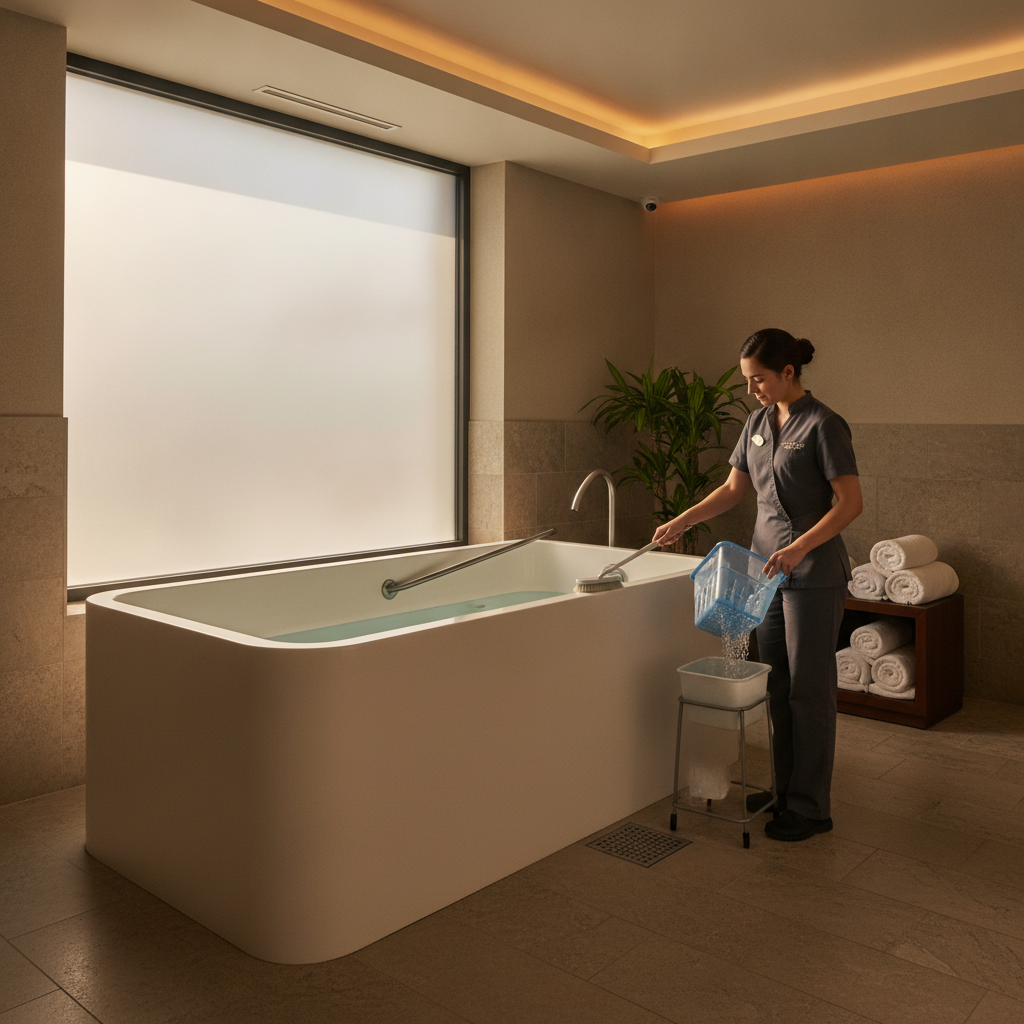
Core Features That Define an Easy to Clean Hotel Cold Plunge
When evaluating equipment, general managers and spa directors should look past marketing language and assess the specific mechanical and material features that actually reduce cleaning burden.
Non-porous, seamless interior surfaces
Textured or porous liners trap oils, skin cells, and biofilm in microscopic grooves, making a tub feel "dirty" even after cleaning. A truly easy to clean hotel cold plunge uses smooth, seamless composite or stainless interiors that wipe clean in seconds and don't harbor bacteria between deep cleans.
Automated filtration and dosing
Commercial-grade systems now pair high-flow filtration with automated chemical dosing, keeping water clear and balanced with minimal manual chemical testing. This is arguably the single biggest differentiator of an easy to clean hotel cold plunge versus a residential-style unit — it turns water chemistry from a daily chore into a periodic check.
Remote monitoring and service alerts
Many commercial units now include embedded monitoring software that tracks temperature, filtration performance, and water chemistry remotely, alerting staff or a service provider only when something needs attention. This shifts the maintenance model from "check constantly" to "respond when notified," a major operational advantage for properties without dedicated pool staff.
Simplified filter and component access
Tool-free filter baskets, accessible drain valves, and modular components mean routine tasks — filter rinses, valve checks — take minutes rather than requiring a technician visit. This is a quieter but important part of what makes an easy to clean hotel cold plunge genuinely low-maintenance day to day.
Daily, Weekly, and Monthly Cleaning Protocols for Hotel Cold Plunges
Even the most automated easy to clean hotel cold plunge benefits from a structured maintenance calendar. Building this into standard operating procedures prevents small issues from becoming costly repairs or hygiene complaints.
Daily tasks
- Visual inspection for debris, discoloration, or residue
- Temperature verification against target range
- Quick surface wipe and cover placement to block airborne debris
- Between-guest reset: roughly 5 minutes covering surface clean, towel refresh, and a quick water quality glance
Weekly tasks
- Gentle cleaner application on all contact surfaces
- Filter basket rinse and inspection
- Accessory and valve function check
Monthly tasks
- Deep clean of interior surfaces with approved non-abrasive products
- Full filtration system inspection
- Basic leak test around seals and connections
Quarterly and annual tasks
- Inner liner deep sanitation
- Structural and component inspection
- Full service check, ideally coordinated with the equipment vendor
Following this tiered structure is what actually keeps an easy to clean hotel cold plunge easy over years of heavy use, not just in the first few months after installation.
Surface cleaning happens daily and between guests; deep cleaning of the liner and filtration system should happen monthly, with a more thorough structural and sanitation pass quarterly or annually depending on usage volume.
Comparing Cleaning Approaches: Manual vs. Automated Systems
Choosing between a manual and an automated cold plunge is really a choice about how much staff time your property is willing to commit daily. The table below compares the two approaches directly.
| Factor | Manual / Non-Automated Unit | Easy to Clean Hotel Cold Plunge (Automated) |
|---|---|---|
| Daily staff time | 25–40 minutes | Under 15 minutes |
| Water chemistry testing | Manual, multiple times daily | Automated with periodic verification |
| Surface material | Often textured/porous acrylic | Seamless, non-porous composite or steel |
| Monitoring | On-site only | Remote monitoring with alerts |
| Staff skill required | Specialized pool knowledge helpful | Standard spa/engineering staff sufficient |
| Guest turnover capacity | Slower, more manual resets | 6–8 guests/hour with quick resets |
This comparison makes the case clear: an easy to clean hotel cold plunge isn't just a comfort upgrade, it's an operational efficiency decision that compounds over hundreds of guest cycles per week.
Hygiene Compliance and Guest Safety Standards
Beyond convenience, hygiene compliance is a legal and reputational necessity. Hotels are increasingly held to the same scrutiny as public pools and spas when it comes to water quality, and a poorly maintained cold plunge can quickly become a liability rather than an amenity.
An easy to clean hotel cold plunge supports compliance in three ways: it reduces the chance of human error in chemical dosing (a common source of code violations), it produces documentation trails through remote monitoring software that can be shown to health inspectors or auditors, and it lowers the physical barrier to frequent inspection because staff aren't avoiding a labor-intensive task.
Best practice is to align cold plunge protocols with existing pool and spa health codes in your jurisdiction, even if cold plunges aren't yet explicitly regulated in your area. Documenting daily checks, weekly cleanings, and monthly deep cleans creates a defensible record if a guest incident or inspection ever occurs.
Requirements vary by state and municipality, but many health departments apply pool and spa hygiene codes to cold plunges, especially in shared-use spa settings. Confirm local requirements and document your maintenance schedule regardless of explicit regulation.
Choosing the Right Easy to Clean Hotel Cold Plunge for Your Property
Not every property has identical needs. A boutique hotel with a single spa-based unit has different requirements than a resort running multiple plunges across a hydrothermal circuit. When evaluating suppliers, ask these questions:
- What is the interior surface material, and is it seamless or textured? Seamless materials are central to what makes an easy to clean hotel cold plunge low-maintenance long-term.
- Is filtration and dosing automated, and to what degree? Fully automated systems reduce daily staff burden significantly compared to semi-manual units.
- Is remote monitoring included, and what alerts does it send? This affects how proactively your team can respond to issues before they become guest complaints.
- What does the manufacturer's maintenance schedule actually require? Ask for the daily, weekly, and monthly task list in writing before purchasing.
- What staff skill level is assumed? Confirm whether your existing spa or engineering team can realistically manage the unit without specialized certification.
Properties exploring options should compare vendors carefully, since "easy to clean" claims vary widely in what they actually deliver operationally. HotelPlunge works directly with hotel teams to match cold plunge systems to the realistic staffing and hygiene needs of each property, rather than offering a one-size-fits-all unit.
Building a Sustainable Cleaning Routine Around Your Cold Plunge
Even the best-engineered easy to clean hotel cold plunge needs a routine built around it to stay effective. The most successful properties treat the cold plunge cleaning schedule the way they treat pool maintenance: written into shift checklists, assigned to a specific role, and reviewed periodically for compliance.
A simple, sustainable structure looks like this:
- Assign the daily reset task to whichever staff member is on spa floor duty during operating hours
- Post the weekly and monthly checklist near the unit or in a shared digital log
- Schedule quarterly vendor check-ins to catch anything the automated monitoring might miss
- Review guest feedback related to cleanliness monthly to catch perception issues early
This kind of routine turns an easy to clean hotel cold plunge from a piece of equipment into a reliable, low-friction amenity that supports guest satisfaction without becoming a staffing headache. Learn more about matching equipment to your property's operational capacity at HotelPlunge.
Frequently Asked Questions
What makes a cold plunge "easy to clean" for hotel use?
An easy to clean hotel cold plunge combines non-porous, seamless interior surfaces with automated filtration and chemical dosing, plus remote monitoring, so staff spend minutes rather than tens of minutes on daily maintenance.
How long does it take to clean a hotel cold plunge between guests?
A typical between-guest reset for an easy to clean hotel cold plunge takes about 5 minutes, covering a quick surface wipe, towel refresh, and a glance at water clarity and temperature.
Do hotel staff need special certification to maintain a cold plunge?
Most commercial units designed as an easy to clean hotel cold plunge are built so standard spa or engineering staff can handle routine care, without needing a certified pool technician, thanks to automated systems and simplified access to filters and components.
How often should filters and water quality be checked in a hotel cold plunge?
Daily visual checks are recommended, with filter basket rinses weekly and a full filtration inspection monthly. Automated dosing reduces the frequency of manual chemical testing but doesn't eliminate the need for periodic verification.
Is an easy to clean hotel cold plunge more expensive than a standard unit?
Upfront cost can be higher due to automation and premium surface materials, but the reduction in daily labor hours often offsets that cost over the equipment's lifespan, particularly at properties running high guest volume.
Conclusion: Make Cleanliness Part of Your Cold Plunge Strategy
Cold therapy is here to stay as a hotel wellness amenity, but its long-term success depends on operational realities as much as guest demand. An easy to clean hotel cold plunge protects your staff's time, your hygiene compliance, and your guests' trust simultaneously — turning a potentially labor-intensive amenity into a smooth, repeatable part of your spa's daily rhythm. Before you invest in any cold plunge system, evaluate it through the lens of cleanability first, not just design or temperature range.
If you're ready to explore commercial-grade options built specifically for hotel operations, visit HotelPlunge to discuss which easy to clean hotel cold plunge configuration fits your property's staffing model and guest volume.