Hotel Cold Plunge Benefits for Mental Health Explained
September 13, 2026 · 13 min read
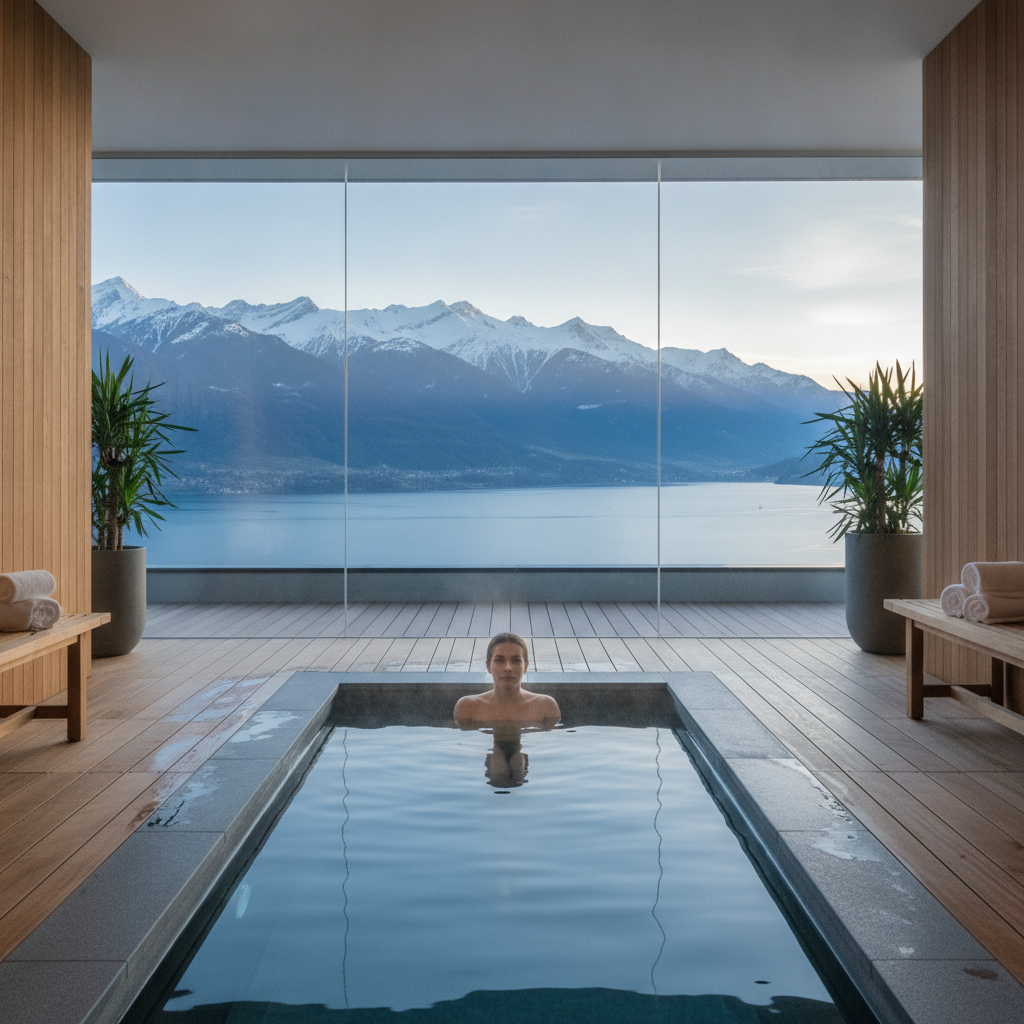
Guests increasingly expect more than a nice bed and a good shower — they want measurable wellbeing outcomes from their stay. That's why understanding hotel cold plunge benefits for mental health has become essential knowledge for General Managers, Spa & Wellness Directors, and property owners evaluating new amenities. This guide breaks down what the research actually shows about cold-water immersion and psychological wellbeing, and how hoteliers can talk about it honestly and effectively with guests.
TL;DR — The Bottom Line
Hotel cold plunge benefits for mental health are strongest in the short term: research shows 5-minute cold-water immersions can meaningfully lift mood, reduce perceived stress, and increase feelings of alertness within minutes. Evidence for long-term relief from clinical depression or anxiety is promising but still emerging. For hotels, this makes cold plunge an ideal high-impact, low-time-commitment amenity — ready to deliver a noticeable mental health boost in a single 5-10 minute guest session, without overpromising clinical outcomes.
Quick Facts
- Session length for mood benefit: As little as 5 minutes of cold-water immersion produces measurable mood improvement, similar to 20-minute sessions.
- Optimal frequency: Regular plungers using cold water up to twice weekly reported the best general mental health outcomes, per a 2025 observational study.
- Stress reduction window: A 2025 meta-analysis of 11 randomized trials (3,177 adults) found reduced stress measurable up to 12 hours post-immersion.
- Reported mood shifts: Participants describe feeling more active, alert, and inspired, and less distressed and nervous, immediately after immersion.
- Evidence strength: Short-term mood and stress benefits are well-supported; long-term clinical depression/anxiety outcomes remain under-researched.
What Are Hotel Cold Plunge Benefits for Mental Health, Exactly?
When we talk about hotel cold plunge benefits for mental health, we're referring to the documented psychological effects of brief, controlled cold-water immersion — typically 50–59°F (10–15°C) water for 2 to 10 minutes — on mood, stress perception, alertness, and subjective wellbeing. This is distinct from cold plunge's more commonly marketed physical recovery claims (muscle soreness, inflammation, circulation). The mental health angle is what makes cold plunge relevant to business travelers, stressed-out road warriors, and leisure guests alike, not just athletes.
For hoteliers, the appeal is straightforward: hotel cold plunge benefits for mental health translate into an amenity that guests can experience meaningfully in the time they actually have — between meetings, before a flight, or after a long travel day — rather than requiring an hour-long spa commitment.
The Science: What Happens to the Brain and Body During a Cold Plunge
Cold-water immersion triggers what researchers describe as a "neurohormetic" response — a brief, controlled stressor that trains the nervous system's coping mechanisms. According to discussion in psychiatry literature on cold-water immersion as a neurohormetic stressor, this controlled stress exposure can be beneficial overall when dosed appropriately, similar in principle to how exercise stresses the body to produce adaptive benefits (Source: psychiatry commentary on cold-water immersion, 2025).
A 2023 study on short-term, head-out whole-body cold-water immersion found that participants felt measurably more active, alert, attentive, proud, and inspired — and less distressed and nervous — immediately following a cold bath (Source: study on acute mood effects of cold-water immersion, 2023). This is one of the clearest, most consistently replicated findings in the space, and it's the foundation of most credible claims about hotel cold plunge benefits for mental health.
Popular science and clinical commentary summarizing multiple studies also point to short-term increases in certain neurotransmitters, including dopamine, alongside improved self-esteem and short-term relief from depressive symptoms — with many participants reporting feeling noticeably "better" both immediately and roughly 30 minutes after immersion (Source: summary review of cold immersion and mood, 2024).
Most research points to an immediate effect — within minutes of exiting the water, and lasting benefits reported up to 30 minutes and, for stress markers specifically, up to 12 hours later.
Immediate Mood and Stress Relief: The Guest Experience
This is where hotel cold plunge benefits for mental health become most operationally relevant. A 2026 controlled trial conducted in cold seawater found that just 5 minutes of cold-water immersion significantly improved mood, producing reductions in total mood disturbance comparable to what researchers observed after 20-minute immersions (Source: cold seawater immersion mood trial, 2026). In practical terms, that means hotels don't need to design long, elaborate cold plunge rituals to deliver value — a short, well-guided 5 to 10 minute session can produce a genuine, felt mental health benefit for a guest between meetings or after a flight.
This finding matters enormously for hospitality operators because it reframes cold plunge from a "spend an hour in the spa" amenity into a "grab 5 focused minutes" amenity — which fits far more naturally into a business traveler's schedule, a wedding guest's morning, or a family's vacation itinerary.
Longer-Term Wellbeing: What Repeat Guests and Data Show
Where the science gets more nuanced — and where hoteliers should be careful with marketing language — is long-term mental health impact. A large 2025 observational study of regular "polar plungers" found that people engaging in cold-water immersion up to twice per week reported better general mental health, along with fewer and shorter respiratory infections and reduced sick leave (Source: observational study of regular cold-water immersion practitioners, 2025). Notably, the relationship followed an inverted U-shaped curve: benefits increased up to roughly two sessions per week, then plateaued or slightly reversed at higher frequencies.
A 2025 systematic review and meta-analysis of 11 randomized controlled trials involving 3,177 healthy adults concluded that cold-water immersion can reduce stress measured up to 12 hours post-immersion, and can improve sleep quality and quality-of-life scores — but found effects on mood over time to be inconsistent across studies (Source: systematic review and meta-analysis of cold-water immersion trials, 2025).
A separate 2026 meta-analysis of cold-water exposure and psychological outcomes reported that pooled estimates favored cold-water exposure for depressive symptoms, perceived stress, wellbeing, and mood overall — but cautioned that the evidence base remains limited, heterogeneous, and at meaningful risk of bias. In controlled-only analyses, many of these positive estimates weakened, meaning we cannot yet responsibly claim robust, long-term clinical efficacy (Source: meta-analysis of cold-water exposure and psychological outcomes, 2026).
In short: hotel cold plunge benefits for mental health are well-documented for short-term mood, alertness, and stress reduction. Longer-term, clinically significant improvements in depression or anxiety are plausible and actively being studied, but not yet proven at the level rigorous science requires.
No. The current evidence supports cold plunge as a wellness and stress-management amenity, not a clinical treatment. Hotels should market cold plunge for its documented short-term mood, alertness, and stress-reduction effects rather than implying it treats diagnosed mental health conditions.
Who Benefits Most: Matching Cold Plunge to Guest Personas
Understanding hotel cold plunge benefits for mental health also means understanding which guests are most likely to notice — and value — the effect. Based on the underlying research and observed hotel demand patterns, three guest personas stand out:
- Business travelers under time pressure: The 5-minute mood benefit is ideal for guests who need a quick reset before a presentation or after back-to-back calls, without the time cost of a full spa treatment.
- Post-flight and jet-lagged leisure guests: Cold plunge's documented effects on alertness and reduced feelings of distress make it a natural complement to arrival-day recovery.
- Wellness-motivated repeat guests: Guests who plunge consistently — ideally around twice weekly during longer stays — are the group most likely to report the broader general mental health improvements identified in observational research.
Recognizing these personas allows spa and wellness directors to tailor messaging: a front-desk flyer aimed at business travelers should emphasize the 5-minute mood lift, while a wellness retreat package can lean into the twice-weekly cadence tied to broader wellbeing gains.
Programming Hotel Cold Plunge Experiences for Mental Health Outcomes
Delivering genuine hotel cold plunge benefits for mental health requires more than installing a tub — it requires thoughtful programming that reflects what the research actually supports. Consider the following framework when structuring guest-facing cold plunge experiences:
- Set session length expectations at 5–10 minutes. Research shows meaningful mood benefits at just 5 minutes, so there's no need to encourage guests toward longer, more intimidating sessions.
- Frame the experience around alertness and stress relief, not weight loss or muscle recovery. This keeps messaging aligned with the strongest evidence base and appeals to a broader range of guests, including those simply seeking a mental reset.
- Offer guidance on frequency for extended-stay guests. For guests staying multiple nights, suggesting roughly two sessions per week aligns with the frequency associated with the best general mental health outcomes in observational research.
- Pair with a calming ritual before and after. Simple guidance — such as slow breathing before entry and a few quiet minutes after exiting — helps guests process the acute mood shift the research describes.
- Train staff to describe benefits accurately. Staff should reference short-term mood, alertness, and stress-reduction effects rather than implying clinical mental health treatment, protecting both guest trust and property liability.
Properties looking to build this kind of guest-facing program from the ground up can review HotelPlunge's resources for hospitality-specific cold plunge planning and guest communication tools.
Risks, Contraindications, and Responsible Messaging
No conversation about hotel cold plunge benefits for mental health is complete without addressing limitations and risk. Cold-water immersion is not appropriate for every guest, and some studies note short-term increases in inflammation markers alongside the psychological benefits — a reminder that cold plunge is a physiological stressor, not a neutral relaxation activity.
Hotels should maintain clear signage and pre-use guidance covering:
- Cardiovascular conditions, including uncontrolled high blood pressure or heart disease
- Pregnancy
- Raynaud's syndrome or other cold-sensitivity conditions
- Recent illness, fever, or open wounds
- Alcohol consumption immediately before use
Responsible messaging protects guests and the property alike. Because hotel cold plunge benefits for mental health are strongest and best supported in the short term, hotels are on solid ground promoting the amenity as a mood-lifting, stress-reducing wellness experience — while avoiding language that suggests it treats or cures diagnosed anxiety or depression.
Many guests with mild-to-moderate anxiety report short-term relief, but cold-water immersion can also trigger a strong acute stress response in some individuals. Hotels should offer clear opt-in guidance and never position it as a substitute for professional mental health care.
Comparing the Evidence: Short-Term vs. Long-Term Mental Health Claims
| Outcome | Evidence Strength | What Hotels Should Say |
|---|---|---|
| Immediate mood lift (minutes after immersion) | Strong, consistently replicated | "Guests often report feeling more alert, positive, and less stressed within minutes." |
| Stress reduction (up to 12 hours) | Moderate-to-strong, based on meta-analysis of 3,177 adults | "Cold plunge is associated with reduced stress for hours after your session." |
| Sleep quality and quality of life | Moderate, mixed across studies | "May support better sleep and overall wellbeing with regular use." |
| General mental health with regular use (up to 2x/week) | Emerging, based on large observational data | "Guests who plunge consistently often report better overall mental wellbeing." |
| Clinical depression/anxiety treatment | Weak, inconclusive, high risk of bias | Avoid clinical claims; refer guests to professional care when appropriate. |
This table underscores a central truth about hotel cold plunge benefits for mental health: the amenity earns its keep on short-term, high-frequency, low-time-commitment value — not as a clinical intervention.
Frequently Asked Questions
Do hotel cold plunges actually improve mental health?
Yes, in the short term. Multiple controlled studies show that even a 5-minute cold-water immersion session can improve mood, increase alertness, and reduce perceived stress. Long-term, clinically significant mental health improvements are still being researched and are not yet conclusively proven.
How long should a hotel cold plunge session be for mental health benefits?
Research shows 5 to 10 minutes is sufficient to produce measurable mood and stress benefits, with some studies finding a 5-minute session performs comparably to a 20-minute session for mood improvement.
How often should guests use a cold plunge for the best mental health results?
Observational research on regular cold-water immersion practitioners found that up to twice per week produced the best general mental health outcomes, with benefits plateauing or slightly declining at higher frequencies.
Can cold plunges replace therapy or medication for anxiety and depression?
No. Current evidence supports cold plunge as a short-term mood and stress-management tool, not a clinical treatment. Hotels should never position cold plunge as a substitute for professional mental health care.
Why are hotels adding cold plunges specifically for mental health rather than just recovery?
Because the strongest, most consistently replicated research on cold-water immersion relates to mood, alertness, and stress reduction — benefits relevant to nearly every guest, not just athletes seeking physical recovery. This broadens the amenity's appeal across business, leisure, and wellness travelers.
Conclusion: Positioning Cold Plunge as a Credible Mental Wellness Amenity
The research is clear on one point above all others: hotel cold plunge benefits for mental health are real, measurable, and achievable in sessions as short as five minutes. Guests feel more alert, less stressed, and more positive almost immediately after a properly guided cold plunge — and those who use the amenity consistently, roughly twice a week, tend to report the strongest overall mental wellbeing gains. At the same time, responsible hoteliers should resist the temptation to oversell cold plunge as a cure for anxiety or depression; the long-term clinical evidence simply isn't there yet.
For General Managers, Spa & Wellness Directors, and property owners, the opportunity is to build a program grounded in what the science actually supports: short, guest-friendly sessions that deliver a genuine, felt mental health benefit, paired with honest, evidence-based communication. Done right, hotel cold plunge benefits for mental health become a genuine differentiator — not just another spa gimmick.
Ready to bring evidence-based cold plunge programming to your property? Visit HotelPlunge to explore how leading hotels are building credible, guest-trusted wellness experiences around cold plunge.