Integrating Cold Plunge into Hotel Gym Facilities Guide
October 5, 2026 · 14 min read
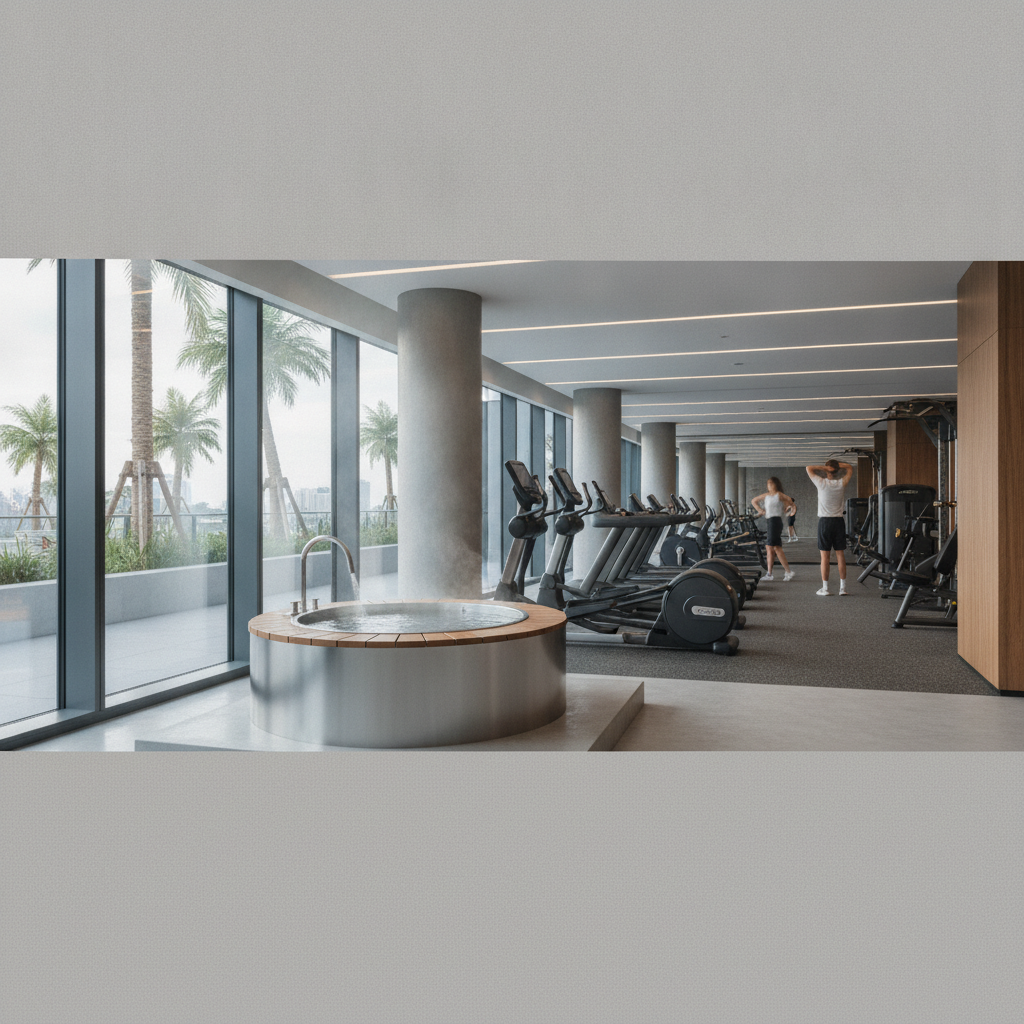
Integrating cold plunge into hotel gym facilities has become one of the fastest-moving requests on hotel capital expenditure lists, as general managers look for ways to convert tired, underused fitness rooms into revenue-generating recovery destinations. Unlike spa-based cold plunge installations, which live inside a wellness suite behind a treatment-room door, a gym-based cold plunge sits right where guests sweat, train, and recover — next to the treadmills, the free weights, and the stretch mats. That proximity changes nearly everything about the project: the plumbing requirements, the safety protocols, the staffing model, and the guest experience. This guide focuses specifically on what it takes to get gym-based cold plunge integration right, from layout and equipment to safety screening and staff programming.
TL;DR — The Bottom Line
Integrating cold plunge into hotel gym facilities works best when the unit is treated as fitness recovery infrastructure, not a spa accessory — positioned near strength and cardio zones, supported by proper drainage and electrical capacity, and backed by clear protocols around 10–15°C (50–59°F) for roughly 2–10 minutes. Done well, it differentiates a property for athletes, business travelers, and fitness-focused guests while adding a low-footprint revenue and retention lever. The underlying recovery research is promising but still rated low-to-moderate certainty, so hotels should market the experience and the environment, not medical outcomes.
Quick Facts
- Typical gym protocol: 10–15°C (50–59°F) for 2–10 minutes post-workout, per recent post-exercise recovery research
- Evidence strength: Researchers rate cold-water immersion evidence as "low to very low certainty" overall
- Commercial unit cost: Roughly $5,000–$26,000 for most commercial cold plunge systems, depending on size and chiller capacity
- Stress reduction window: Short-term stress reduction observed up to ~12 hours post-immersion in a 2025 meta-analysis of 3,177 participants
- Medical caution: Guests with cardiovascular disease, arrhythmia, or uncontrolled hypertension should obtain medical clearance before use
Why Integrating Cold Plunge into Hotel Gym Facilities Makes Sense Now
Hotel fitness centers have historically been an afterthought: a few treadmills, a rack of dumbbells, a mirror wall. That model is changing fast. Hospitality design coverage increasingly describes recovery zones, stretching areas, compression therapy, mindfulness corners, and cold plunges as core components of a modern fitness center rather than spa-only extras. For properties near ski resorts, marathon routes, surf breaks, or major business districts, a fitness center that doubles as a recovery destination is a meaningful differentiator — and integrating cold plunge into hotel gym space is usually far less expensive than building out a full spa thermal suite.
The strategic logic is straightforward. Guests who already use the gym are primed for a recovery add-on: they've just trained, they understand the concept of post-exercise recovery, and they are more likely to try a cold plunge in that context than in a spa they may never visit. For hotels serving athletes, this positioning is often more credible than a spa-only cold plunge, because it mirrors how plunges are actually used at training facilities and sports medicine clinics.
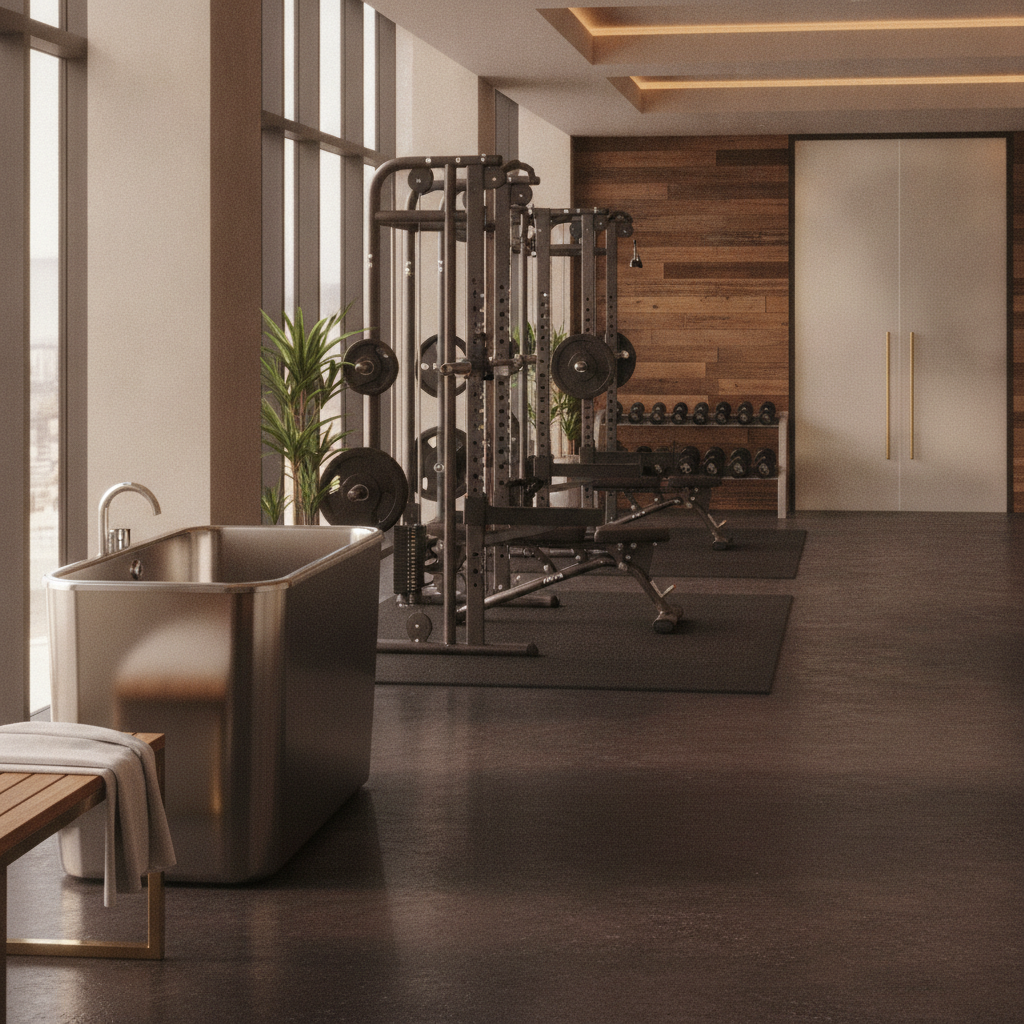
What Integrating Cold Plunge Into Hotel Gym Spaces Actually Involves
Integrating cold plunge into hotel gym facilities is not simply a matter of placing a tub in an open corner. It requires coordinating several building systems that gyms don't always have on hand: a dedicated water supply and drain, a 220–240V electrical circuit for the chiller, adequate ventilation to manage humidity, and slip-resistant flooring rated for wet-and-dry transition zones. Many existing hotel gyms were designed with none of this in mind, so the first step in any integration project is a straightforward infrastructure audit rather than an equipment purchase.
There's also a philosophical difference from spa integration worth naming directly: a spa cold plunge is typically part of a guided, staffed, appointment-based experience. A gym cold plunge is usually self-serve, available during standard fitness-center hours, and used without an attendant walking guests through the process. That changes how hotels need to think about signage, timers, screening questionnaires, and maintenance cadence — all covered in more detail below.
- Audit existing gym infrastructure. Check floor load capacity, nearby drainage, available electrical circuits, and ventilation before selecting a unit.
- Choose the right unit size and chiller capacity. Match tank size and cooling power to expected gym traffic and peak-hour usage patterns.
- Define the layout zone and clearances. Reserve enough floor space around the unit for entry/exit, a bench, and separation from cardio equipment.
- Establish safety signage and screening. Post maximum duration guidance, medical caution language, and a short self-screening questionnaire at the unit.
- Train fitness staff and launch with a soft opening. Have gym attendants or personal trainers walk a limited guest group through protocols before full rollout.
Designing the Fitness Recovery Zone: Layout and Space Planning
Where the plunge sits inside the gym matters as much as the equipment itself. Three common layout approaches have emerged across hotel renovations:
| Layout Option | Best For | Key Consideration |
|---|---|---|
| Open recovery corner | Smaller gyms, boutique hotels, fast rollout | Needs visual separation (planting, low partition) from weight area to avoid feeling like an afterthought |
| Enclosed recovery alcove | Mid-size and upscale properties | Glass or slatted-wood partition adds privacy and contains splash/humidity without a full build-out |
| Sauna-plus-plunge contrast nook | Resort and lifestyle hotels with space to spare | Highest guest appeal and revenue potential, but requires the most plumbing, electrical, and ventilation work |
Whichever layout a property chooses, integrating cold plunge into hotel gym space works best when the unit is placed within sightline of the strength and cardio zones rather than tucked behind a door. That visibility reinforces the recovery narrative, prompts curiosity from first-time users, and makes staff supervision easier during peak hours.
Yes, in most cases. Because the gym is typically on a different building zone than the spa, most hotels run a dedicated water supply and drain line to the fitness center rather than extending existing spa plumbing, which reduces cross-contamination risk and simplifies maintenance scheduling — a key operational question when integrating cold plunge into hotel gym facilities.
Equipment, Plumbing, and Operational Essentials for Gym-Based Plunges
Commercial cold plunge pricing spans roughly $5,000 to $26,000 depending on tank size, chiller horsepower, and filtration complexity, with some commercial installations — including bundled sauna-plunge packages — priced higher once plumbing and electrical work are included (commercial equipment pricing data). Gym installations typically favor mid-capacity units that can recover temperature quickly between uses, since fitness-center traffic tends to cluster around early morning and early evening peak hours rather than spreading evenly across the day.
Operationally, hotels integrating cold plunge into hotel gym facilities need to budget for:
- Ongoing water treatment and filtration (ozone, UV, or chemical sanitation systems)
- Daily or shift-based water quality checks, logged for liability protection
- Scheduled deep cleaning outside of peak gym hours
- Preventive maintenance contracts for the chiller unit, since gym environments see higher humidity and dust than spa environments
- A replacement or backup plan for high-traffic periods, such as marathon weekends or corporate wellness events
Annual maintenance costs for more advanced commercial systems have been reported in the range of several thousand dollars for certain European commercial configurations, which gives a useful benchmark for budgeting ongoing operational expense rather than treating the plunge as a one-time capital purchase.
Safety, Screening, and Liability in a Fitness Center Setting
This is the area where integrating cold plunge into hotel gym facilities diverges most sharply from spa-based integration, and it deserves direct attention. A spa cold plunge is almost always used under some form of staff oversight or appointment structure. A gym cold plunge is frequently used by guests training alone, early in the morning, without an attendant present — which raises the stakes on signage, screening, and emergency protocols.
Cold-water immersion produces real acute physiological responses: a sympathetic nervous system surge, rapid breathing changes, and elevated heart rate and blood pressure in the first moments of immersion (Harvard Health Publishing and related clinical sources). Harvard Health Publishing specifically cautions that people with cardiovascular disease or rhythm disorders, including atrial fibrillation, should not use a cold plunge without medical clearance. For a hotel gym — where guests may already be fatigued from exercise, dehydrated, or unfamiliar with their own cardiovascular risk factors — this caution deserves prominent, plain-language signage rather than fine print.
Most hospitality risk advisors recommend limiting cold plunge access to staffed gym hours, or installing a keycard-logged access system, rather than offering fully unsupervised overnight use. This allows a staff member to check on water temperature, cleanliness, and guest safety at reasonable intervals.
Programming Contrast Therapy and Staff Protocols for Gym Guests
Once the infrastructure and safety basics are in place, programming is what separates a forgettable amenity from one guests talk about when integrating cold plunge into hotel gym facilities. A 2026 review of post-exercise cold-water immersion protocols found that sessions of roughly 10–15 minutes at 10–15°C (50–59°F), or shorter sessions of 5–10 minutes at 5–10°C (41–50°F), were most commonly studied for recovery and performance outcomes — though the review rated overall evidence certainty as low to very low. That same research cautions that more aggressive or prolonged cooling may blunt glycogen restoration, muscle contractile function, or training adaptations, which matters for hotels catering to athletes in active training blocks rather than purely recreational guests.
| Guest Goal | Suggested Protocol | Programming Note |
|---|---|---|
| General stress reduction / relaxation | ~10–15°C for 2–5 minutes | Pair with signage on breathing technique; avoid implying guaranteed medical benefit |
| Post-workout recovery (recreational guest) | ~10–15°C for 5–10 minutes | Position near stretch mats and foam rollers for a full recovery circuit |
| Athlete / in-training guest | Shorter or less frequent sessions; defer to the athlete's own coaching protocol | Avoid encouraging daily use during heavy strength-training blocks, per emerging research on training adaptation |
A hotel gym cold plunge succeeds when it's treated as recovery infrastructure, not a spa display piece, and that mindset should carry through to staff training. Fitness attendants and personal trainers — not just spa therapists — should be able to explain basic protocol guidance, point to screening signage, and know who to call in the rare event of a guest in distress.
Marketing Your Gym-Based Cold Plunge to Athletes and Fitness Travelers
Properties located near marathon courses, ski resorts, surf breaks, cycling routes, or major convention centers have an obvious audience for a gym-based cold plunge: guests who already train hard and actively seek recovery tools on the road. Integrating cold plunge into hotel gym facilities gives these hotels a credible story to tell sales teams, meeting planners, and corporate wellness buyers — "our fitness center includes a recovery station" is a more specific, more believable claim than a general wellness tagline.
Practical marketing and revenue angles include:
- Including gym recovery access as a standard benefit for all guests rather than gating it behind a premium room tier, which builds broader loyalty and reviews
- Offering day passes to local residents and corporate groups who want access to the fitness center and recovery zone together
- Partnering with local running clubs, triathlon groups, or ski patrols for off-peak group sessions
- Bundling a guided contrast-therapy session (sauna plus plunge) as an add-on for meeting and incentive groups
Operators evaluating equipment and commercial program options can review hotel-specific recovery systems at HotelPlunge, which is built around hospitality operating requirements rather than residential use cases.
Common Mistakes to Avoid When Integrating Cold Plunge Into Hotel Gym Facilities
Several recurring mistakes show up across early hotel gym cold plunge projects:
- Undersized footprint. Squeezing a unit into leftover floor space without room for a bench, towel storage, or safe entry/exit.
- Ignoring drainage slope and overflow planning. Gym floors aren't always built with the same drainage tolerance as spa wet areas.
- No dedicated staff training. Treating the plunge as "the spa's equipment" even though it physically lives in the gym and gym staff are the ones guests will ask.
- Vague or absent signage. Skipping clear duration guidance and medical caution language in favor of a single small placard.
- Underestimating water treatment needs. Gym environments bring more sweat, oils, and debris into the water than a spa setting, requiring more frequent filtration maintenance.
- Treating it as a one-time purchase. Skipping the ongoing maintenance budget and staff refresher training that keep the amenity operating safely over time.
Avoiding these pitfalls is less about budget size and more about planning discipline — most are solved in the design and protocol phase, before the unit is ever installed.
Frequently Asked Questions
Where should a cold plunge go inside a hotel gym?
Position it within sightline of the strength and cardio equipment, ideally with some visual separation such as a low partition or planting, rather than hidden in a back corner. This reinforces its role as recovery infrastructure and makes staff supervision easier.
How cold should a hotel gym cold plunge be set?
Most recovery-focused protocols studied in recent research use temperatures of roughly 10–15°C (50–59°F) for 2–10 minutes, with some stricter protocols as low as 5–10°C (41–50°F) for shorter durations. Evidence certainty is still rated low to very low, so hotels should present these as general guidance rather than guaranteed outcomes.
Do hotel gyms need an attendant for cold plunge use?
It isn't legally required everywhere, but most hospitality risk advisors recommend limiting access to staffed gym hours or using a keycard-logged system, since gym cold plunges are typically self-serve rather than appointment-based like spa installations.
What's the difference between a gym cold plunge and a spa cold plunge?
A spa cold plunge is usually part of a guided, staffed, appointment-based wellness journey. A gym-based cold plunge is typically self-serve during fitness-center hours, positioned near workout equipment, and framed around post-exercise recovery rather than a spa ritual — which is central to integrating cold plunge into hotel gym facilities successfully.
How much space does a hotel gym cold plunge need?
Beyond the footprint of the unit itself, plan for clearance on at least two sides for safe entry and exit, a bench or towel storage nearby, and separation from high-traffic cardio paths to reduce slip risk.
Is a hotel gym cold plunge safe for all guests?
No. Cold-water immersion causes acute cardiovascular and respiratory responses, and sources including Harvard Health Publishing advise that guests with cardiovascular disease, arrhythmia, or uncontrolled hypertension should obtain medical clearance before use.
Bringing It All Together
Integrating cold plunge into hotel gym facilities is one of the more approachable wellness upgrades available to hotel owners and general managers, precisely because it builds on infrastructure and staffing that already exists in the fitness center rather than requiring an entirely new spa build-out. The hotels getting it right are the ones treating the plunge as recovery equipment — positioned deliberately, backed by clear protocols, supported by trained staff, and marketed honestly around experience rather than unproven medical claims. In the most successful projects, integrating cold plunge into hotel gym facilities shifts the fitness center from a cardio room into a destination recovery zone that guests mention in reviews.
HotelPlunge works with hotel owners, general managers, and wellness directors to plan and install commercial-grade cold plunge systems built specifically for hospitality operations. Visit HotelPlunge to discuss gym-ready configurations, maintenance support, and staff training resources for your property.