Future of Hotel Wellness Amenities: 2026 Trends Guide
September 10, 2026 · 13 min read
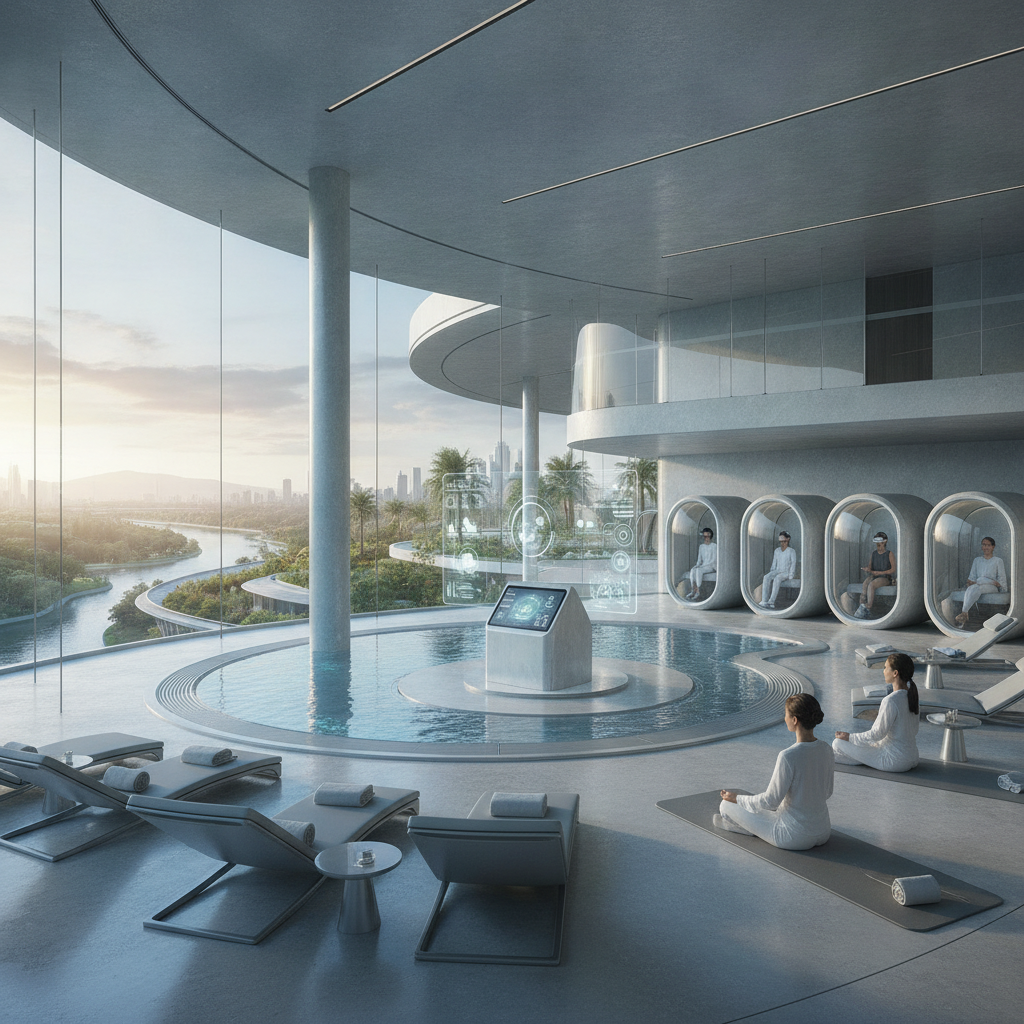
The future of hotel wellness amenities is no longer a side conversation reserved for spa directors — it has become a boardroom priority that shapes capital expenditure, brand differentiation, and guest loyalty across the hospitality industry. As travelers increasingly choose properties based on how well they support sleep, recovery, mental health, and physical performance, hotel leaders are being asked to rethink wellness from the ground up. This shift goes far beyond adding a new treatment menu; it touches design, staffing, technology, and the entire guest journey. Understanding the future of hotel wellness amenities today is the difference between leading the category in 2026 and playing catch-up for the next decade.
TL;DR — The Bottom Line
The future of hotel wellness amenities is defined by property-wide integration, personalization powered by data, immersive multi-sensory experiences, and recovery-focused technology like hydrotherapy and contrast therapy. Guests now judge hotels on wellness depth, not just spa square footage. General managers and owners who invest in flexible, well-maintained, and professionally programmed wellness infrastructure now will capture outsized loyalty and rate premiums as this trend accelerates through 2026 and beyond.
Quick Facts
- Wellness travel driver: Wellness is now a primary reason travelers choose a hotel, not an add-on amenity.
- Top guest priority: Cleanliness and maintenance of wellness facilities scored 4.45/5 in guest satisfaction research, the highest-rated factor.
- Equipment quality: Facilities and equipment quality scored 4.39/5, just behind cleanliness, in the same study.
- Fastest-growing niche: Sleep tourism is one of the most cited emerging wellness trends for 2024–2026.
- Structural shift: Hotels are moving from siloed spa departments to property-wide wellness ecosystems spanning rooms, F&B, and programming.
What Is Driving the Future of Hotel Wellness Amenities?
Several converging forces explain why the future of hotel wellness amenities looks so different from the spa-centric model of the past two decades. First, wellness travelers are more informed and discerning; they arrive having already researched sleep programs, recovery tools, and mental health offerings before booking. Second, the pandemic normalized home wellness routines — cold showers, meditation apps, infrared mats — which raised the baseline expectation guests bring with them when they travel. Third, longevity science has entered the mainstream conversation, pushing hotels to offer biohacking-adjacent amenities such as contrast therapy, red light exposure, and recovery lounges rather than purely relaxation-based spa menus.
Industry researchers tracking hospitality trends note that hotels are shifting from treating wellness as a discrete department to weaving it through the entire guest experience, including F&B, room design, and outdoor programming. This property-wide approach is central to understanding the future of hotel wellness amenities: guests no longer want wellness confined to a 90-minute appointment — they want it available on their schedule, in their room, and integrated into how the property operates day to day.
Technology Reshaping the Future of Hotel Wellness Amenities
Technology is arguably the single biggest accelerant of the future of hotel wellness amenities. Wearable integration, AI-driven wellness coaching, biometric feedback, and app-based personalization are moving from luxury novelty to standard expectation. Guests increasingly expect their hotel stay to sync with the same recovery metrics they track at home — sleep score, heart rate variability, and readiness indicators — and to receive amenity recommendations based on that data.
Beyond digital tools, physical recovery technology is expanding rapidly. Infrared therapy, compression boots, red light panels, and hydrotherapy circuits (including cold plunge and contrast therapy) are becoming standard fixtures in forward-thinking recovery suites. According to hospitality analysts, touchless and tech-enabled wellness — infrared, cryotherapy, light therapy, and AI coaching — continues to grow because it delivers both convenience and a strong perception of efficacy among guests. For general managers evaluating capital projects, this means the future of hotel wellness amenities is less about adding a single treatment and more about building a connected recovery ecosystem that guests can navigate independently or with light staff guidance.
Answer: Expect wider adoption of AI-personalized wellness itineraries, wearable data integration with in-room amenities, and expanded recovery technology such as contrast therapy, red light, and compression tools operating alongside traditional spa services rather than replacing them.
Personalization: The New Currency in Hotel Wellness
Personalization has become the defining currency of the future of hotel wellness amenities. Guests no longer want a generic spa menu; they want programming tailored to their goals — better sleep, stress reduction, athletic recovery, or longevity optimization. Leading properties are building custom wellness itineraries that combine fitness classes, mindfulness sessions, nutrition guidance, and recovery treatments based on individual guest profiles collected at booking or through pre-arrival questionnaires.
This personalization extends to food and beverage as well, with wellness-led menus — plant-based, allergen-free, or performance-focused — designed around specific outcomes like energy or sleep. For spa and wellness directors, the implication is clear: the future of hotel wellness amenities depends on flexible programming and staff who can translate data or guest preferences into a curated experience, rather than a fixed treatment list. Hotels that treat personalization as a checkbox rather than a genuine operational capability will struggle to compete as guest expectations rise.
Beyond the Spa: Property-Wide Wellness Ecosystems
One of the clearest signals about the future of hotel wellness amenities is the dissolution of the spa as a standalone silo. Wellness is spreading into guest rooms (sleep-optimized bedding, soundscapes, air quality controls), public spaces (mindfulness rooms, digital detox lounges), and outdoor areas (walking trails, outdoor recovery zones). Social wellness — group classes, communal hydrotherapy, and shared recovery spaces — is also growing, blending individual wellbeing with the social connection many travelers say they crave post-pandemic.
Sleep tourism is a particularly strong example of this shift. Hotels are investing in sleep-focused turndown service, blackout technology, and recovery therapies believed to enhance rest quality, recognizing that sleep is now a headline wellness demand rather than a background assumption. For property owners, this property-wide approach to the future of hotel wellness amenities requires cross-departmental coordination between design, F&B, housekeeping, and spa teams — a meaningfully different operating model than the traditional spa-as-profit-center approach.
The Business Case for Investing in Future Wellness Amenities
For general managers and property owners, the future of hotel wellness amenities is not just a guest experience question — it's a revenue and positioning strategy. Guest satisfaction research on hotel spa users found that every dimension of the wellness experience was rated as highly important, with cleanliness and maintenance scoring 4.45 out of 5 and facilities/equipment scoring 4.39 out of 5, ahead of ambiance and even variety of services. This tells owners that consistent, well-maintained equipment is a non-negotiable baseline, not a nice-to-have — a poorly maintained recovery amenity can undo the goodwill generated by an otherwise excellent stay.
Beyond satisfaction scores, wellness amenities increasingly influence direct booking decisions, repeat visitation, and willingness to pay rate premiums, particularly among travelers who identify as wellness-motivated. Properties that treat the future of hotel wellness amenities as a strategic differentiator — rather than a cost center — are positioning themselves to capture this growing segment of high-value travelers who research recovery and sleep offerings before they research pool size or room décor.
Answer: Yes. Wellness travelers increasingly select and rebook properties based on the depth and credibility of recovery, sleep, and mental health offerings, and guest satisfaction research shows facility quality and maintenance are top-rated drivers of overall spa and wellness satisfaction, which correlates with loyalty and repeat stays.
Preparing Your Property: Staffing, Training, and a Practical Roadmap
Adapting to the future of hotel wellness amenities requires more than a capital purchase order — it requires people who can deliver the experience consistently. Spa and wellness directors are increasingly expected to manage cross-trained staff capable of guiding guests through contrast therapy, recovery circuits, and mindfulness programming, not just traditional massage and facial services. Training investment, standard operating procedures for hygiene and maintenance, and clear guest onboarding for newer modalities (like cold plunge or infrared) are now core operational responsibilities.
A practical roadmap for properties adapting to the future of hotel wellness amenities typically includes:
- Audit current wellness touchpoints across rooms, F&B, fitness, and spa to identify gaps against guest expectations.
- Prioritize high-impact, flexible investments such as recovery technology that doesn't require major plumbing or structural renovation.
- Build staff competency through training on new modalities, hygiene protocols, and guest education.
- Integrate wellness data into booking and CRM systems to support personalization at scale.
- Measure guest satisfaction specifically on cleanliness, maintenance, and facility quality, since these consistently drive overall wellness satisfaction scores.
Owners and GMs who work through this roadmap methodically are better positioned to capture the upside of the future of hotel wellness amenities without overextending budgets on features guests don't ultimately value. Partners like HotelPlunge work with properties navigating exactly this kind of phased wellness expansion, helping teams prioritize recovery infrastructure that fits both guest demand and operational reality.
Frequently Asked Questions
What does the future of hotel wellness amenities look like in 2026?
It looks like property-wide integration of wellness — sleep optimization, recovery technology, mental health support, and personalization — rather than wellness being confined to a standalone spa department. Guests expect wellness woven into rooms, food and beverage, and daily programming.
Why are hotels investing more in recovery amenities like cold plunge and contrast therapy?
Longevity and performance optimization have become mainstream wellness themes, and guests increasingly view recovery-focused amenities as evidence of a serious, credible wellness program rather than a passing trend, which supports both satisfaction and rate premiums.
How important is maintenance to guest satisfaction with wellness amenities?
Extremely important. Published guest satisfaction research on hotel spa users rated cleanliness and maintenance as the single highest-scoring factor at 4.45 out of 5, ahead of ambiance, service variety, and even staff knowledge.
What is sleep tourism and why does it matter for hotel wellness planning?
Sleep tourism refers to travelers choosing hotels specifically to improve their sleep quality through optimized bedding, soundscapes, and recovery-focused turndown services. It matters because sleep has become one of the top wellness decision criteria for travelers, pushing hotels to treat rest as a core amenity category.
Do smaller or mid-scale hotels need to worry about the future of hotel wellness amenities?
Yes. Wellness expectations are rising across all hotel tiers, not just ultra-luxury resorts, and guest research shows facility quality and maintenance — which any property can control — are the strongest predictors of wellness satisfaction, regardless of price point.
Conclusion: Positioning Your Property for What's Next
The future of hotel wellness amenities rewards properties that think beyond the spa menu and build integrated, well-maintained, and personalized recovery ecosystems across the entire guest journey. From sleep tourism to contrast therapy to AI-driven personalization, the common thread is clear: guests expect wellness to be woven into every part of their stay, not isolated to a single department. General managers, spa directors, and owners who start auditing their current offerings now — and invest deliberately in flexible, high-quality recovery infrastructure — will be best positioned to meet rising guest expectations through 2026 and beyond. HotelPlunge works with hospitality teams ready to make that transition practically, helping properties add credible recovery amenities without unnecessary complexity. Explore how your property can start building toward the future of hotel wellness amenities at HotelPlunge.