Guest Feedback on Hotel Cold Plunge Experiences: Key Data
October 25, 2026 · 13 min read
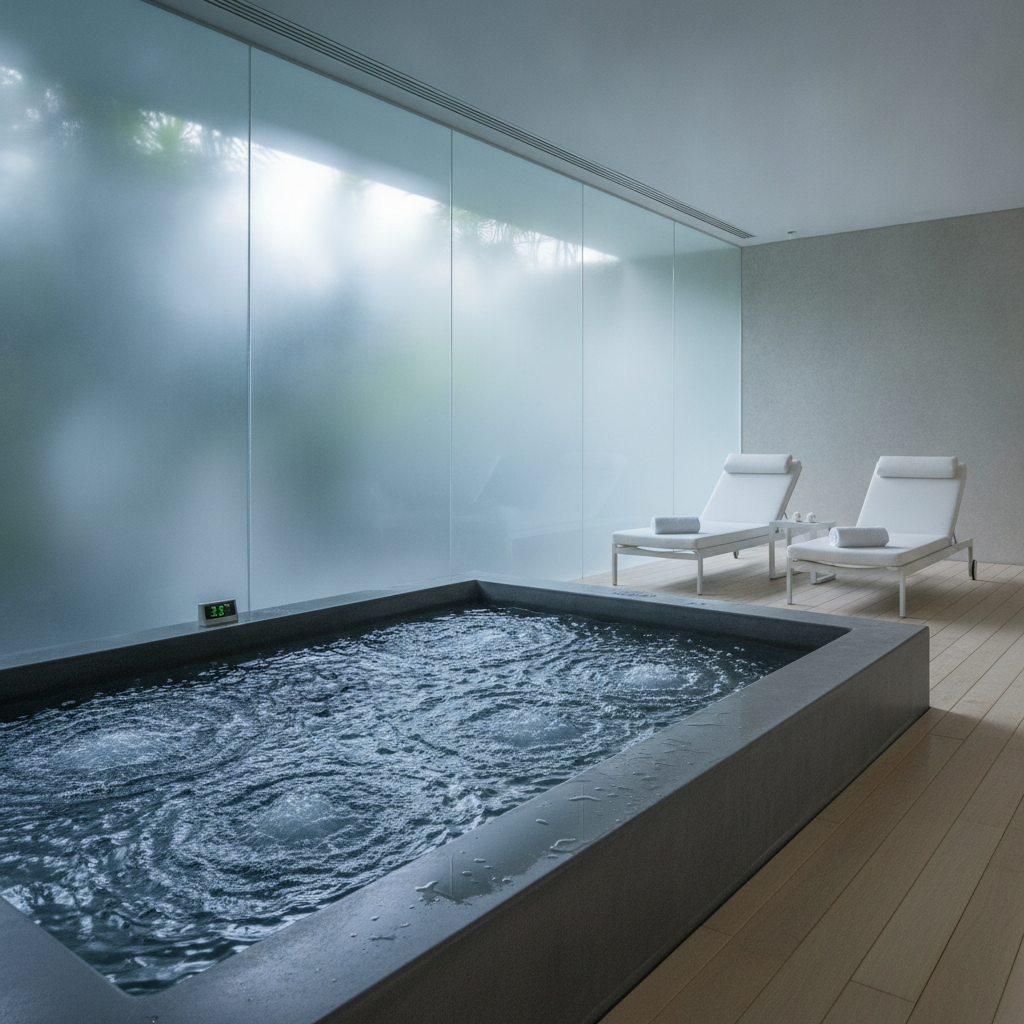
Guest feedback on hotel cold plunge experiences has become one of the richest, and most underused, sources of operational intelligence available to hospitality leaders. As cold immersion moves from novelty amenity to a standard component of wellness programming, the properties that systematically study guest feedback on hotel cold plunge experiences are the ones converting a trendy feature into lasting loyalty, repeat bookings, and measurable rate premiums. This article breaks down what guests actually say, where experiences consistently succeed or fail, and how general managers, spa and wellness directors, and property owners can turn raw comments into operational improvements.
TL;DR — The Bottom Line
Guest feedback on hotel cold plunge experiences consistently points to six factors: convenience, privacy, temperature reliability, cleanliness, clear guidance, and perceived recovery benefits. In-room units reportedly generate far higher engagement than shared spa plunges, and properties that actively analyze this feedback report meaningful gains in wellness-amenity satisfaction scores and, in some cases, rate premiums among affluent travelers.
Quick Facts
- In-room plunge usage: Reportedly averages 4.3 sessions per stay, versus 0.8 sessions for shared spa units.
- Satisfaction gains: Properties that systematically analyze feedback report 18–22% improvements in wellness-amenity satisfaction scores.
- Rate premium: Effective cold-plunge positioning is linked to possible 15–25% rate premiums among affluent travelers.
- Stress reduction window: A 2025 meta-analysis of 11 studies and 3,177 participants found reduced stress markers roughly 12 hours after cold-water immersion.
- Market growth: The global cold-plunge-tub market is projected to grow from roughly $354.6 million in 2025 to $659.9 million by 2033.
Why Guest Feedback on Hotel Cold Plunge Experiences Matters More Than Star Ratings
A single average star rating tells a general manager almost nothing about whether a cold plunge amenity is working. Two properties can both earn 4.5-star wellness scores while delivering radically different guest experiences — one because guests love the privacy and simplicity of an in-room unit, the other despite a crowded, poorly maintained shared tub that guests tolerate rather than enjoy. This is why guest feedback on hotel cold plunge experiences needs to be read qualitatively, not just scored numerically.
Properties that dig into the actual language guests use — words like "relaxing," "confusing," "too warm," "private," or "intimidating" — gain a far more actionable picture than an aggregate rating ever could. This distinction matters because cold plunge amenities sit at an unusual intersection of hospitality and physiology: a guest's comfort depends on water temperature, timing, instructions, and even their first impression of the equipment, not just service quality in the traditional sense.
Convenience and access. Guests consistently rate in-room or easily reachable cold plunge units higher than amenities that require advance booking, walking across the property, or waiting for availability.
The Core Drivers Behind Positive Guest Feedback on Hotel Cold Plunge Experiences
Across reviews, post-stay surveys, and spa intercept interviews, a consistent pattern emerges in guest feedback on hotel cold plunge experiences. Six factors show up repeatedly as the difference between a five-star comment and a lukewarm one:
- Convenience: Guests overwhelmingly prefer amenities they can use on their own schedule, without booking friction or travel across the property.
- Privacy: Many guests, particularly first-time users, value the ability to try cold immersion without an audience or performance pressure.
- Temperature consistency: Guests expect the water to match what was promised. A plunge that runs warmer than advertised, or fluctuates between visits, quickly erodes trust.
- Cleanliness and water quality: This is non-negotiable, especially for shared units, where visible water clarity and maintenance signage directly shape perceived safety.
- Clear guidance: Simple instructions on recommended duration, entry and exit technique, and how to pair the plunge with sauna, steam, or rest periods.
- Perceived outcomes: Comments frequently cite relaxation, muscle recovery, mental reset, and improved sleep as the reasons guests would use the amenity again.
Interestingly, guest feedback on hotel cold plunge experiences rarely centers on the equipment's brand or sophistication. Guests do not typically comment on chiller specifications or filtration technology — they comment on whether the experience felt easy, clean, and worthwhile. This is a useful reminder for owners evaluating capital investment: operational execution tends to outweigh hardware prestige in shaping guest sentiment.
Where Guest Feedback on Hotel Cold Plunge Experiences Turns Negative
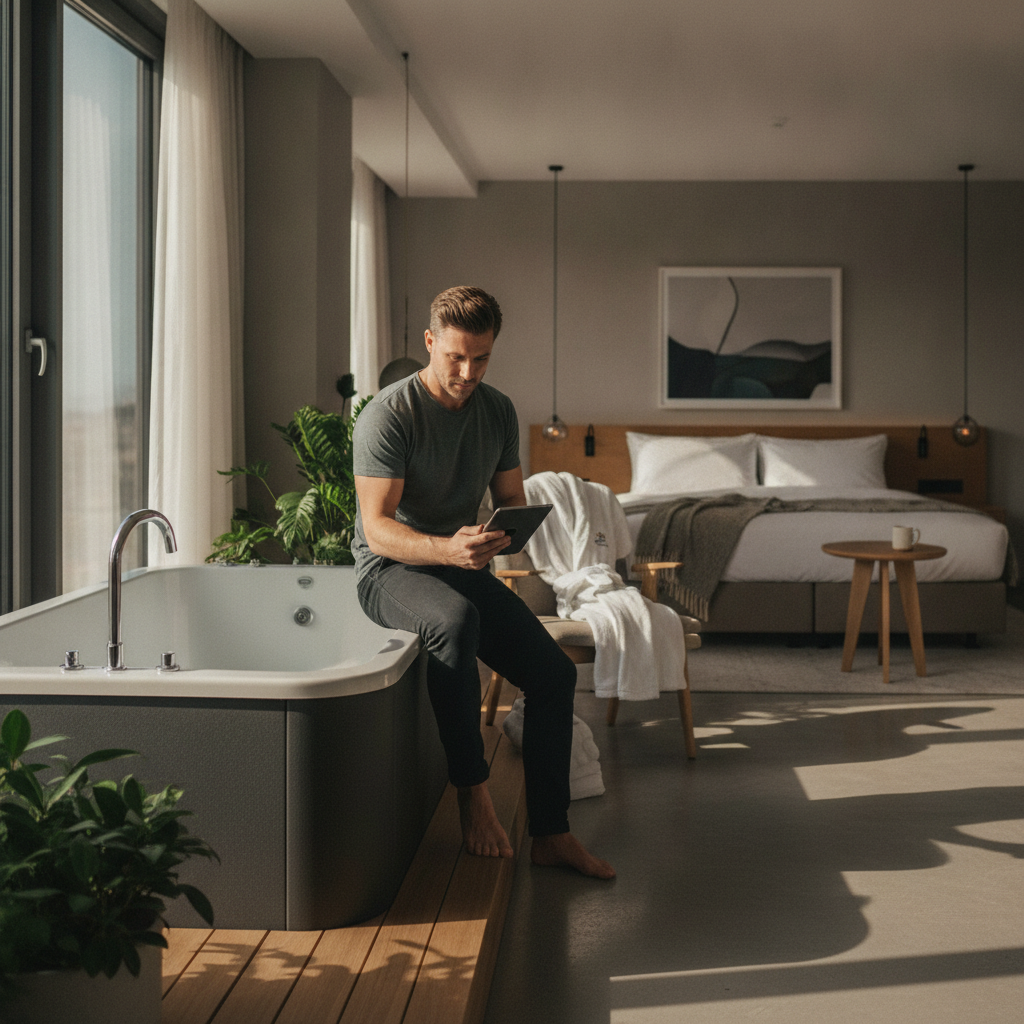
Negative guest feedback on hotel cold plunge experiences tends to cluster around a predictable set of failures, most of which are operational rather than product-related. Understanding these failure points is often more valuable than studying the positive reviews, since they represent fixable gaps rather than abstract preferences.
- The unit is hard to find, or requires a multi-step booking process that discourages spontaneous use.
- Water temperature is not clearly communicated, or varies noticeably between sessions.
- Guests receive no orientation before their first plunge, leading to hesitation, short sessions, or avoidance altogether.
- The amenity is marketed as an extreme endurance challenge rather than an accessible wellness ritual, intimidating guests who might otherwise try it.
- A shared tub appears inadequately cleaned, unsupervised, or crowded at peak hours.
- The cold plunge feels disconnected from the rest of the property's wellness journey — an isolated tub rather than part of a sauna, steam, or recovery circuit.
Several of these issues compound. A guest who finds the booking process confusing is also less likely to receive proper orientation, which increases the odds of an uncomfortable first session and a negative comment. This chain reaction is exactly why guest feedback on hotel cold plunge experiences should be reviewed holistically, tracing a single negative comment back to its root operational cause rather than treating it as an isolated complaint.
In-Room vs. Shared Facilities: What Guest Feedback on Hotel Cold Plunge Experiences Reveals About Access
One of the clearest patterns in guest feedback on hotel cold plunge experiences is the gap between in-room access and shared spa facilities. According to one HotelPlunge analysis, in-room units reportedly average 4.3 sessions per stay, compared with just 0.8 sessions per stay for shared spa units — a figure that, while vendor-reported rather than independently audited, aligns with the broader theme that access friction suppresses actual usage regardless of how appealing the amenity sounds on paper.
| Factor | In-Room Cold Plunge | Shared Spa Cold Plunge |
|---|---|---|
| Reported sessions per stay | ~4.3 | ~0.8 |
| Booking friction | Minimal to none | Often required |
| Privacy | High | Variable, often low |
| Cleanliness perception risk | Lower (single-guest use) | Higher (shared, multi-guest use) |
| Typical feedback theme | "Easy," "private," "used it daily" | "Crowded," "never got a slot," "unclear hours" |
This does not mean shared facilities are inherently inferior — many luxury properties successfully run shared contrast-therapy circuits with strong guest feedback. It does mean that when evaluating guest feedback on hotel cold plunge experiences, access and friction should be treated as a primary variable, not a secondary detail. Properties relying on shared units can narrow the gap by expanding hours, improving signage, and setting clear expectations about availability.
Not always, but data trends strongly favor in-room access. The convenience of using a plunge on one's own schedule, without booking or travel, is the single most frequently cited reason for higher reported usage and more favorable comments.
How to Systematically Collect Guest Feedback on Hotel Cold Plunge Experiences
Most properties collect cold plunge comments passively, buried inside general spa or stay surveys. A more deliberate approach yields far more usable data. The following sequence works well for general managers and spa directors who want structured guest feedback on hotel cold plunge experiences rather than scattered anecdotes.
- Add a dedicated question. Include a specific, short question about the cold plunge in post-stay surveys — for example, asking guests to rate temperature accuracy, cleanliness, and instructions separately rather than bundling them into a single "spa experience" score.
- Capture in-the-moment reactions. A simple QR-code micro-survey near the unit, asked immediately after use, captures guest feedback on hotel cold plunge experiences while the experience is fresh, rather than days later during a generic post-stay email.
- Track usage data alongside sentiment. Pair qualitative comments with session frequency and duration data where available, since low usage combined with negative comments often points to access or orientation problems rather than product dissatisfaction.
- Review reviews by theme, not by score. Tag comments by category — temperature, cleanliness, instructions, privacy, outcomes — so recurring issues become visible even when overall ratings look acceptable.
- Close the loop operationally. Assign each recurring theme in guest feedback on hotel cold plunge experiences to a specific owner: engineering for temperature consistency, housekeeping for cleanliness, and spa staff for orientation and signage.
This structured approach turns feedback into a feedback loop rather than a collection of disconnected comments sitting in a spreadsheet. Properties that treat guest feedback on hotel cold plunge experiences as an ongoing operational input — reviewed monthly alongside other wellness KPIs — tend to catch small issues, like a drifting thermostat or a confusing sign, before they accumulate into negative reviews.
Turning Guest Feedback on Hotel Cold Plunge Experiences Into Revenue and Loyalty
The business case for taking guest feedback on hotel cold plunge experiences seriously is not purely qualitative. Reported industry findings suggest that properties systematically analyzing this feedback achieve 18–22% improvements in wellness-amenity satisfaction scores, and that effective positioning of cold plunge amenities is associated with possible 15–25% rate premiums among affluent travelers. Wellness tourism as a category is projected to grow at roughly 10.2% annually through 2028, meaning properties that get this amenity right are positioning themselves inside one of hospitality's fastest-growing guest segments.
None of this happens automatically. A cold plunge that generates poor guest feedback does not just fail to add value — it can actively damage perception of the broader wellness program, since guests often extrapolate from one disappointing experience to judge the spa or fitness offering as a whole. Conversely, a well-run amenity, supported by clear instructions and consistent temperature control, tends to generate the kind of specific, enthusiastic review language that influences future bookings far more than generic praise.
For properties weighing how to improve their cold plunge program without a full renovation, retrofitting existing tubs into controlled, private, in-room cold plunge systems — the approach HotelPlunge specializes in — directly addresses the access and convenience factors that dominate positive guest feedback on hotel cold plunge experiences. Because the unit lives in the guest's own room, many of the friction points tied to shared facilities simply do not apply.
Common Themes GMs and Spa Directors Should Monitor
Beyond the headline drivers already discussed, several more subtle themes surface repeatedly once a property starts systematically reviewing guest feedback on hotel cold plunge experiences in detail.
- First-time user anxiety: Many guests have never tried cold immersion before arriving. Feedback shows that a short, friendly explanation — even a laminated card or brief video — measurably reduces hesitation and improves reported satisfaction.
- Session pacing: Comments frequently mention uncertainty about how long to stay in, how often to use the plunge, or how to combine it with sauna or rest. Ambiguity here shows up as lower repeat usage.
- Noise and environment: Guests notice ambient factors — lighting, towel availability, floor surfaces — and these details often appear in otherwise unrelated comments about the cold plunge.
- Recovery framing: Reviews that mention athletic recovery, travel fatigue, or sleep improvement tend to be the most enthusiastic, suggesting that marketing the amenity around specific outcomes resonates more than generic "wellness" language.
A 2025 systematic review and meta-analysis covering 11 studies and 3,177 participants found that cold-water immersion may reduce stress markers roughly 12 hours after exposure and may support improved sleep quality and quality of life. These findings give hotels a credible, cautious basis for positioning cold plunge amenities around relaxation and recovery — language that shows up organically in positive guest feedback on hotel cold plunge experiences — without overstating medical claims the amenity cannot support.
No. Guest feedback on hotel cold plunge experiences supports cautious wellness language around relaxation, recovery, and sleep, but hotels should avoid specific medical claims, since current research — while promising — is still limited in scope and sample size.
Frequently Asked Questions
What does guest feedback on hotel cold plunge experiences usually focus on?
Guest feedback on hotel cold plunge experiences typically centers on six factors: convenience of access, privacy, temperature consistency, cleanliness, clarity of instructions, and perceived outcomes like relaxation, recovery, or improved sleep.
Why do in-room cold plunges tend to get better reviews than shared spa units?
In-room units remove booking friction, crowding, and scheduling conflicts, which are among the most frequent complaints in shared-facility feedback. Reported usage data shows in-room units averaging roughly 4.3 sessions per stay versus 0.8 for shared units.
How can a spa director collect better guest feedback on hotel cold plunge experiences?
Add a dedicated, specific survey question about the cold plunge, use a brief in-the-moment micro-survey near the unit, track usage data alongside comments, and tag feedback by theme so recurring issues like temperature or cleanliness are easy to identify and assign to the right team.
What is the most common reason guests give negative feedback on hotel cold plunges?
Access friction and unclear instructions are the two most frequent causes. Guests who struggle to book a session, or who receive no orientation before their first plunge, are more likely to report a disappointing experience regardless of the equipment quality.
Does positive guest feedback on cold plunges actually affect hotel revenue?
Reported industry data links systematic analysis of this feedback to 18–22% improvements in wellness-amenity satisfaction scores and possible 15–25% rate premiums among affluent travelers, suggesting a measurable connection between feedback quality and commercial performance.
Conclusion: Treat Guest Feedback as a Core Wellness Metric
Guest feedback on hotel cold plunge experiences is no longer a nice-to-have data point buried in a quarterly spa report — it is a direct signal of whether a wellness investment is actually working. The properties seeing the strongest results are not necessarily those with the most expensive equipment, but those paying close attention to access, temperature consistency, cleanliness, and clear guidance, then acting on what guests actually say. As cold immersion continues its shift from fitness-world novelty to mainstream hospitality amenity, the gap between properties that listen to guest feedback on hotel cold plunge experiences and those that don't will likely widen.
If your property is evaluating how to improve guest satisfaction with an existing cold plunge program, or exploring a low-complexity way to bring private, in-room cold immersion to your rooms, visit HotelPlunge to see how retrofitting existing tubs can address the exact factors guests consistently say matter most.