Hotel Cold Plunge Benefits for Wellness Programs Guide
October 19, 2026 · 13 min read
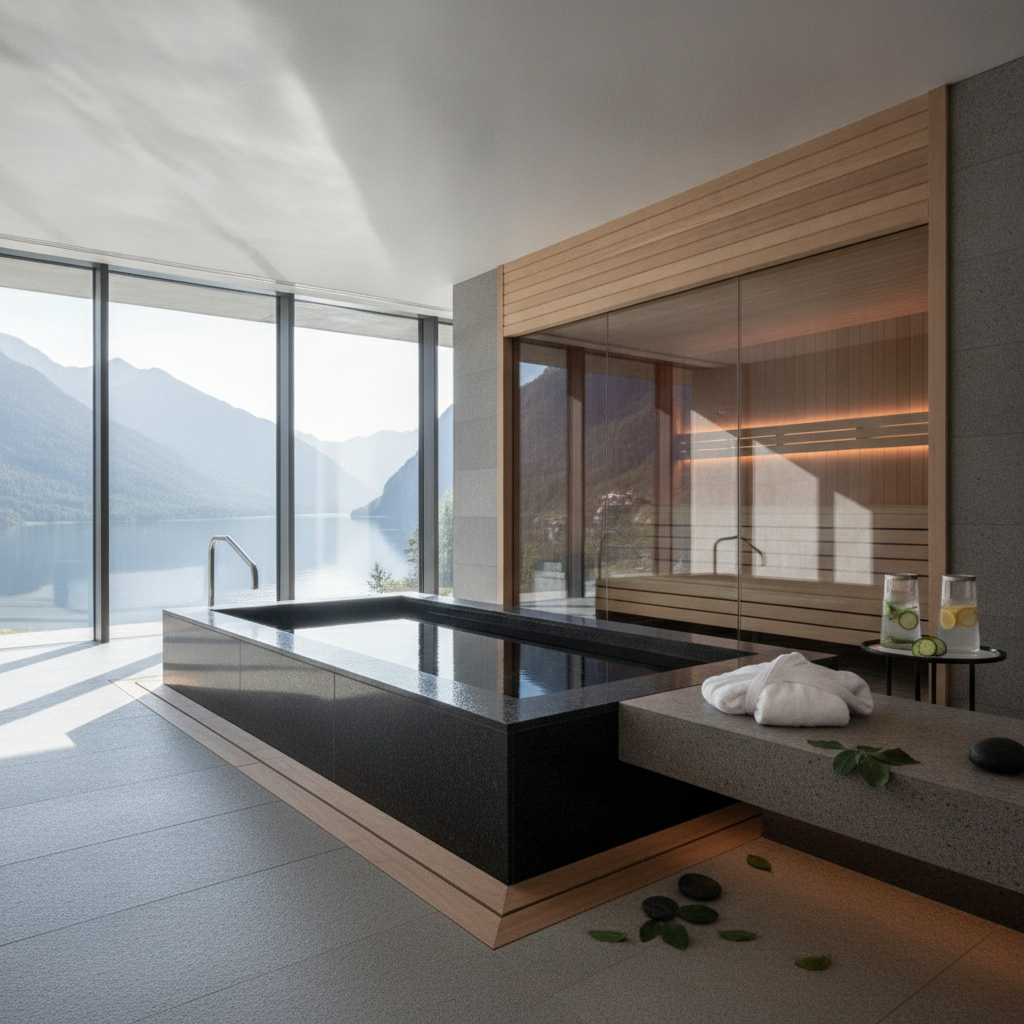
Wellness travel is no longer a niche amenity category — it's a core driver of booking decisions, and hotel cold plunge benefits for wellness programs are becoming one of the clearest ways for properties to stand out. Search interest in cold-plunge therapy rose 521% in a single year, and luxury hotel and spa installations climbed roughly 15% between 2021 and 2023, signaling that guests increasingly expect recovery-focused amenities alongside traditional spa offerings. For general managers, spa directors, and property owners evaluating where to invest next, understanding exactly how hotel cold plunge benefits for wellness programs translate into guest satisfaction, spa utilization, and brand differentiation is essential before committing capital.
TL;DR — The Bottom Line
Hotel cold plunge benefits for wellness programs center on differentiation, recovery-oriented positioning, and increased utilization of existing thermal amenities rather than unproven medical claims. Research shows modest, delayed improvements in stress and sleep quality, not immediate cure-all effects, so hotels should market cold plunges as an experiential recovery ritual — paired with saunas, guided protocols, and staff training — to drive spa engagement, social sharing, and incremental revenue.
Quick Facts
- Search growth: Online interest in cold-plunge therapy grew 521% year-over-year
- Installation growth: Luxury hotel and spa cold-plunge installations rose approximately 15% between 2021 and 2023
- Stress reduction timing: Significant stress reduction appeared around 12 hours post-immersion, not immediately
- Social reach: The #ColdPlunge hashtag has surpassed 500 million TikTok views
- Booking growth: Contrast-therapy circuits saw 73% year-over-year booking growth heading into 2026
- Equipment investment: Commercial-grade systems typically range from $7,500 to more than $20,000
Understanding Hotel Cold Plunge Benefits for Wellness Programs
At its core, the case for hotel cold plunge benefits for wellness programs rests on experience design rather than clinical promises. A cold plunge is visually and physically distinct from a pool or hot tub, which makes it easier to build a memorable ritual around — and rituals are what wellness travelers remember, photograph, and rebook. Rather than positioning the plunge as a medical treatment, the strongest hotel programs frame it as a refreshing, structured recovery experience that complements the property's existing spa menu.
This distinction matters for compliance and guest trust. Overpromising health outcomes creates liability and disappoints guests when results don't match expectations. Framing hotel cold plunge benefits for wellness programs around recovery support, refreshment, and experiential value — not disease treatment — keeps marketing honest while still appealing to the exact travelers who are searching for the experience.
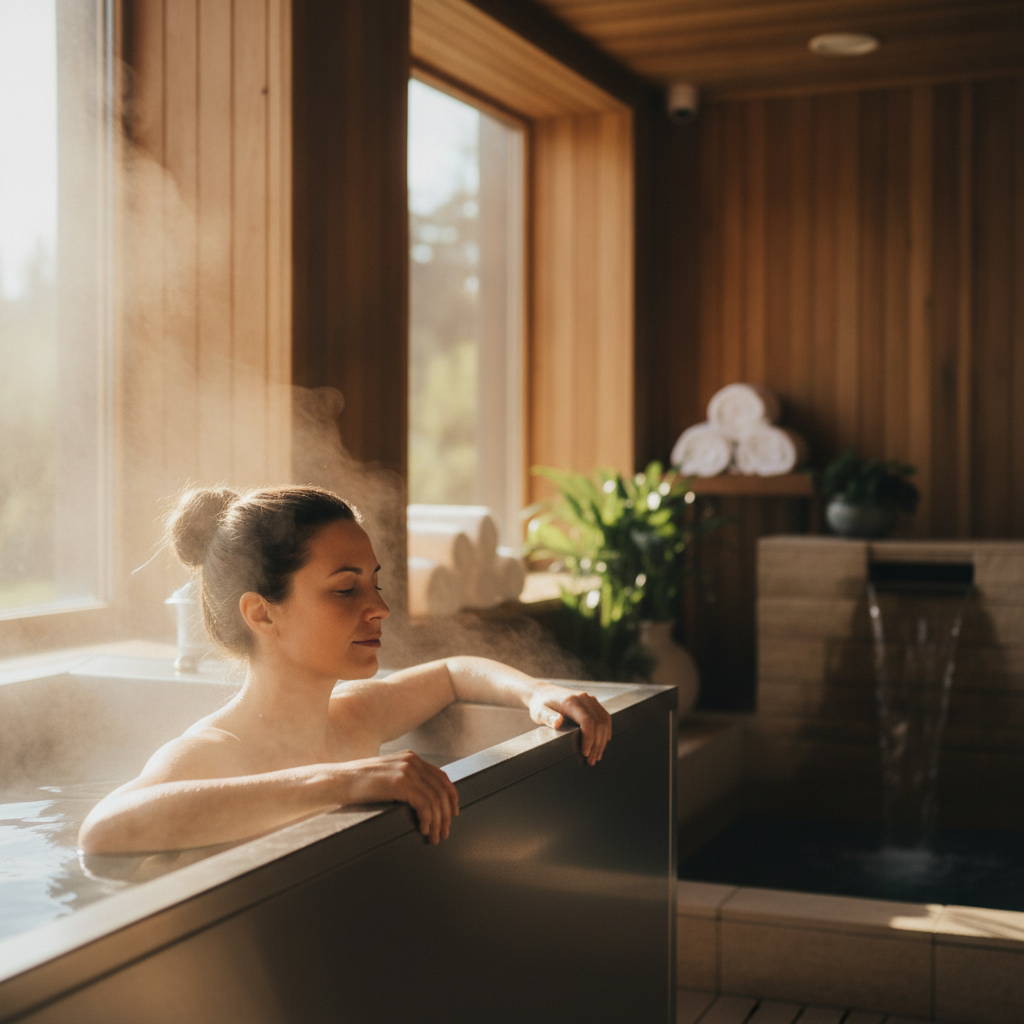
How Cold Plunges Strengthen a Hotel's Wellness Positioning
Hotels compete for wellness-motivated travelers on more than square footage. The properties winning this segment are the ones offering structured, Instagram-worthy, outcome-oriented experiences. Cold plunges check all three boxes, which is why hotel cold plunge benefits for wellness programs increasingly show up in spa menus, loyalty-tier perks, and destination marketing.
Three guest segments respond especially well to a cold plunge offering:
- Fitness and endurance travelers: runners, cyclists, triathletes, and golfers looking for post-activity recovery
- Corporate and retreat groups: teams seeking a shared, novel wellness activity to anchor an offsite
- Experience-driven leisure guests: travelers motivated by social content and "first plunge" milestones
Yes. Booking platforms and spa-operations networks have reported double-digit annual growth in contrast-therapy bookings, and search interest in cold-plunge therapy has grown by over 500% year-over-year, indicating genuine and rising guest demand rather than a short-lived trend.
For spa and wellness directors, the practical takeaway is that hotel cold plunge benefits for wellness programs are most effective when the amenity is actively promoted — through pre-arrival emails, in-room collateral, and spa consultations — rather than installed quietly and left for guests to discover on their own.
What the Research Actually Shows About Cold Plunge Benefits
Hotel operators should ground their marketing in accurate evidence. A 2025 systematic review and meta-analysis examined 11 studies involving 3,177 participants and found potential improvements in stress, sleep quality, and quality of life — but the authors cautioned that evidence remains limited by small sample sizes, few randomized controlled trials, and insufficient population diversity (Frontiers in Physiology, 2025). This is a meaningfully different message than many consumer-facing claims suggest, and it's the message hotels should adopt.
Specifically, researchers found that stress reduction became statistically significant approximately 12 hours after cold-water immersion — but not immediately afterward, at one hour, at 24 hours, or at two days later (International Journal of Circumpolar Health, 2024). The same body of research found no convincing immediate or short-term improvement in immune function, and evidence for mood benefits remains inconclusive. In some analyses, cold immersion even produced short-term increases in inflammation markers, which means "anti-inflammatory" claims should be presented cautiously rather than as settled fact.
Properly framed, hotel cold plunge benefits for wellness programs are supported by real — if still-developing — science, which is precisely why conservative, experience-first marketing builds more durable guest trust than overstated health claims.
Building a Thermal Circuit That Maximizes Cold Plunge Benefits
One of the most underused strategies for capturing hotel cold plunge benefits for wellness programs is pairing the plunge with amenities the property already owns. A standalone tank is a novelty; a plunge integrated into a full contrast-therapy circuit becomes a signature program.
A Simple Contrast-Therapy Protocol for Hotel Spas
- Warm-up phase: 10–15 minutes in a sauna or steam room to raise core temperature
- Cold immersion: 1–3 minutes in the cold plunge, supervised by trained staff
- Rewarming and rest: 5–10 minutes seated, allowing the body to naturally recover
- Repeat: 2–3 rounds depending on the property's documented protocol
- Hydration and recovery: guided water or electrolyte service to close the session
This structure increases the commercial value of saunas and steam rooms that might otherwise see light use outside peak hours. It also gives spa directors a reason to schedule guided sessions, which supports staffing efficiency and creates a natural upsell path into massage, cryotherapy, or compression-therapy add-ons.
Revenue and Guest Engagement: The Business Case
Beyond guest satisfaction, hotel cold plunge benefits for wellness programs include measurable commercial upside when the amenity is packaged thoughtfully. Rather than charging only for tank access, the strongest revenue models monetize the entire wellness zone.
| Revenue Model | Best Fit | Typical Guest |
|---|---|---|
| Premium contrast-circuit access | Full-service resort spas | Leisure and wellness travelers |
| Guided group sessions | Boutique and lifestyle hotels | Corporate retreats, small groups |
| Spa treatment add-on | Properties with existing spa menus | Massage and facial clients |
| Fitness-and-recovery package | Resort and golf properties | Athletic and endurance guests |
| Day-pass or local membership | Urban hotels | Local residents and non-guests |
Yes, primarily by increasing utilization of existing thermal facilities rather than through standalone tank fees alone. Packaging the plunge with sauna access, guided sessions, or recovery-focused spa treatments tends to produce stronger returns than selling isolated plunge time.
Social sharing adds another layer of value. Because the #ColdPlunge hashtag has generated more than 500 million TikTok views, a well-designed plunge area can function as organic marketing — guests document their "first plunge," tag the property, and extend the hotel's reach well beyond paid channels. Hotels that lean into hotel cold plunge benefits for wellness programs as a content-generation strategy, not just a treatment, often see outsized brand visibility relative to the capital invested.
Safety, Staffing, and Program Design
None of the hotel cold plunge benefits for wellness programs discussed above are sustainable without a disciplined safety framework. Cold-water immersion carries real physiological risk, particularly for guests with cardiovascular conditions, and hotels must treat the amenity with the same seriousness as a pool or fitness center.
- Post clear time limits and intake screening questions at the plunge area
- Train spa and gym staff on supervision protocols and emergency response
- Maintain water temperature, sanitation, and filtration logs on a documented schedule
- Require waivers or acknowledgment forms consistent with legal counsel's guidance
- Avoid unsupervised guest access outside staffed hours
These operational details are often what separates a successful rollout from a liability exposure. Properties that invest in staff training alongside the physical equipment tend to realize hotel cold plunge benefits for wellness programs more consistently, because guests feel confident using an amenity that is clearly monitored and professionally run.
Choosing a Cold Plunge Partner for Your Property
The commercial cold-plunge market is fragmented across luxury design brands, performance-recovery manufacturers, and low-cost equipment suppliers, with commercial-grade systems generally priced between $7,500 and more than $20,000 depending on chiller capacity, sanitation systems, and finish. For hospitality buyers, equipment specs are only part of the decision — serviceability, warranty terms, electrical requirements, and vendor familiarity with hotel operations matter just as much.
This is where a hospitality-specific platform like HotelPlunge differs from general consumer or fitness-industry cold-plunge brands. Rather than adapting a residential or gym product for hotel use, a hospitality-first approach accounts for guest-facing durability, staff training needs, and the operational realities of running a 24/7 property. Hotels evaluating vendors should ask pointed questions about installation support, sanitation compliance, and ongoing service — not just upfront equipment cost — before finalizing a purchase through HotelPlunge or any other supplier.
Ultimately, realizing hotel cold plunge benefits for wellness programs depends less on which brand of tank a property buys and more on how thoughtfully the amenity is integrated into staffing, marketing, and the broader guest journey.
Frequently Asked Questions
What are the main hotel cold plunge benefits for wellness programs?
The primary benefits are guest differentiation, increased utilization of existing thermal amenities like saunas, stronger recovery-oriented positioning for fitness travelers, and organic social media exposure — rather than guaranteed medical outcomes.
Is there scientific evidence supporting cold plunge benefits?
A 2025 meta-analysis of 11 studies and 3,177 participants found modest, delayed improvements in stress and sleep quality, with significant stress reduction appearing around 12 hours post-immersion. Evidence remains limited by small sample sizes and few randomized controlled trials, so claims should stay conservative.
How much does a commercial cold plunge cost for a hotel?
Commercial-grade cold plunge systems for hotels typically range from approximately $7,500 to more than $20,000, depending on tank size, chiller power, filtration, and sanitation features.
Should a hotel cold plunge be paired with a sauna?
Yes. Pairing a cold plunge with a sauna or steam room into a contrast-therapy circuit increases utilization of both amenities and creates a more structured, marketable guest experience than a standalone tank.
What safety measures should hotels implement for cold plunge amenities?
Hotels should post time limits, screen guests for cardiovascular risk factors, train staff in supervision and emergency response, maintain sanitation logs, and require appropriate waivers consistent with legal guidance.
Bringing It All Together
The case for hotel cold plunge benefits for wellness programs is strongest when properties resist the temptation to oversell the science and instead focus on what cold plunges reliably deliver: a distinctive, shareable, recovery-oriented experience that increases engagement across the entire wellness facility. From pairing the tank with existing saunas to building guided protocols and revenue packages around it, the hotels seeing the greatest return are treating cold plunge installation as a program decision, not just an equipment purchase.
If your property is evaluating how to capture hotel cold plunge benefits for wellness programs without overextending budget or staff resources, HotelPlunge works specifically with hospitality operators to design, install, and support commercial-grade cold plunge programs built for real hotel operations. Reach out to discuss how a cold plunge program could fit your property's wellness strategy, guest profile, and revenue goals.