Upgrade Hotel Amenities with Cold Therapy: A GM's Edge
November 9, 2026 · 13 min read
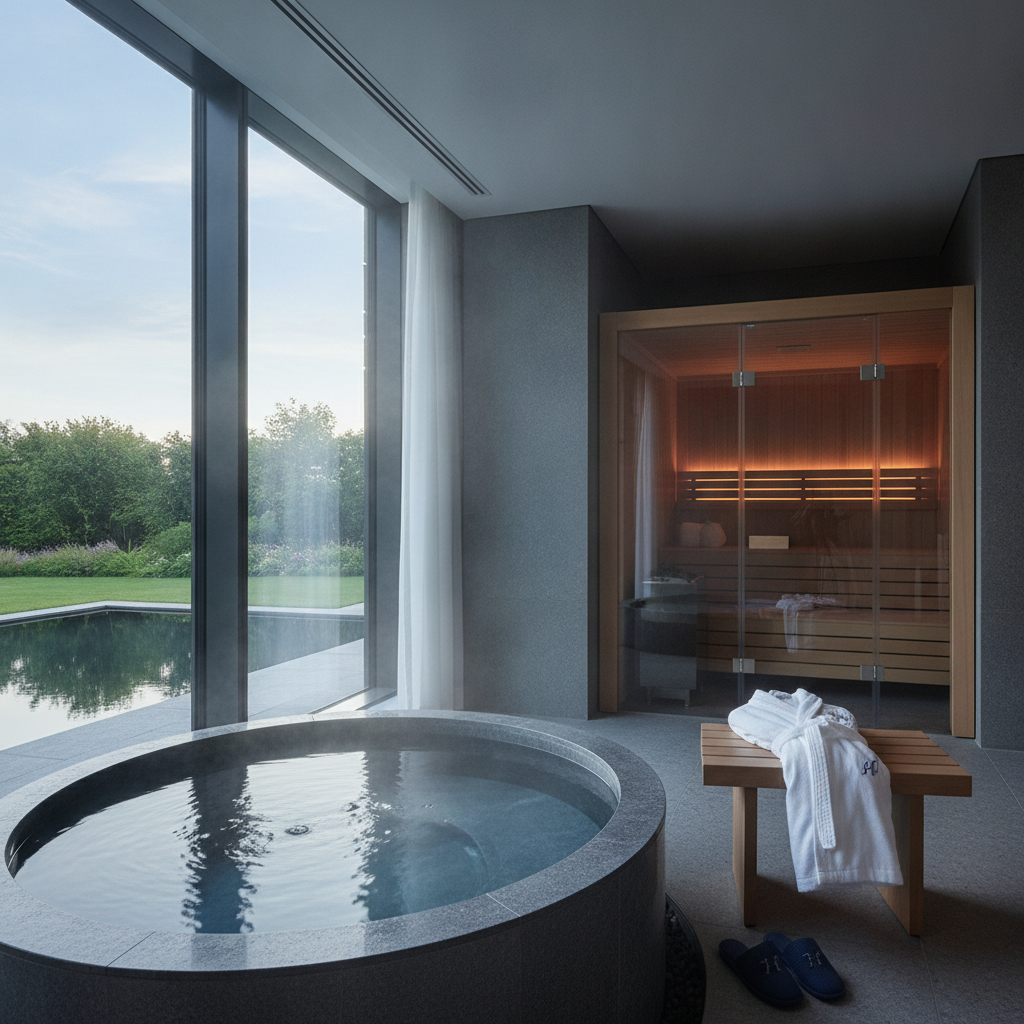
Hotel leaders searching for the next signature guest experience don't need to look far: the data increasingly points to recovery and wellness. Properties that upgrade hotel amenities with cold therapy are tapping into a $6.8 trillion global wellness economy while giving guests a visually striking, highly shareable reason to choose one hotel over another. This article focuses on the competitive-strategy angle, how cold therapy functions as a differentiation lever, a revenue driver, and a brand signal, rather than another line item in a renovation budget.
TL;DR, The Bottom Line
Hotels that upgrade hotel amenities with cold therapy gain a visible, marketable point of difference in a crowded wellness travel market now worth $893.9 billion. Cold plunge and contrast-therapy setups support premium packages, day passes, memberships, and spa upsells, while positioning properties alongside the recovery and longevity trends reshaping hospitality. Success depends on pairing equipment with smart packaging, staff training, and responsible, non-medical messaging.
What It Really Means to Upgrade Hotel Amenities with Cold Therapy
For most travelers, "cold therapy" conjures an image of an athlete plunging into an ice bath. For hotel operators, the opportunity is broader. To upgrade hotel amenities with cold therapy means integrating cold-water immersion, typically paired with heat, steam, or infrared elements, into the guest wellness journey in a way that feels premium, approachable, and consistent with the property's brand.
This matters because the way a hotel frames the amenity shapes how guests use it and how much revenue it generates. A single stainless-steel tub tucked into a back corner is an afterthought. A thoughtfully designed cold-plunge-and-sauna circuit, bundled with a spa package or day pass, is a commercial amenity that supports its own profit center. The phrase "upgrade hotel amenities with cold therapy" should be understood as a strategic initiative, spanning design, packaging, staff training, and marketing, not a single purchase order.
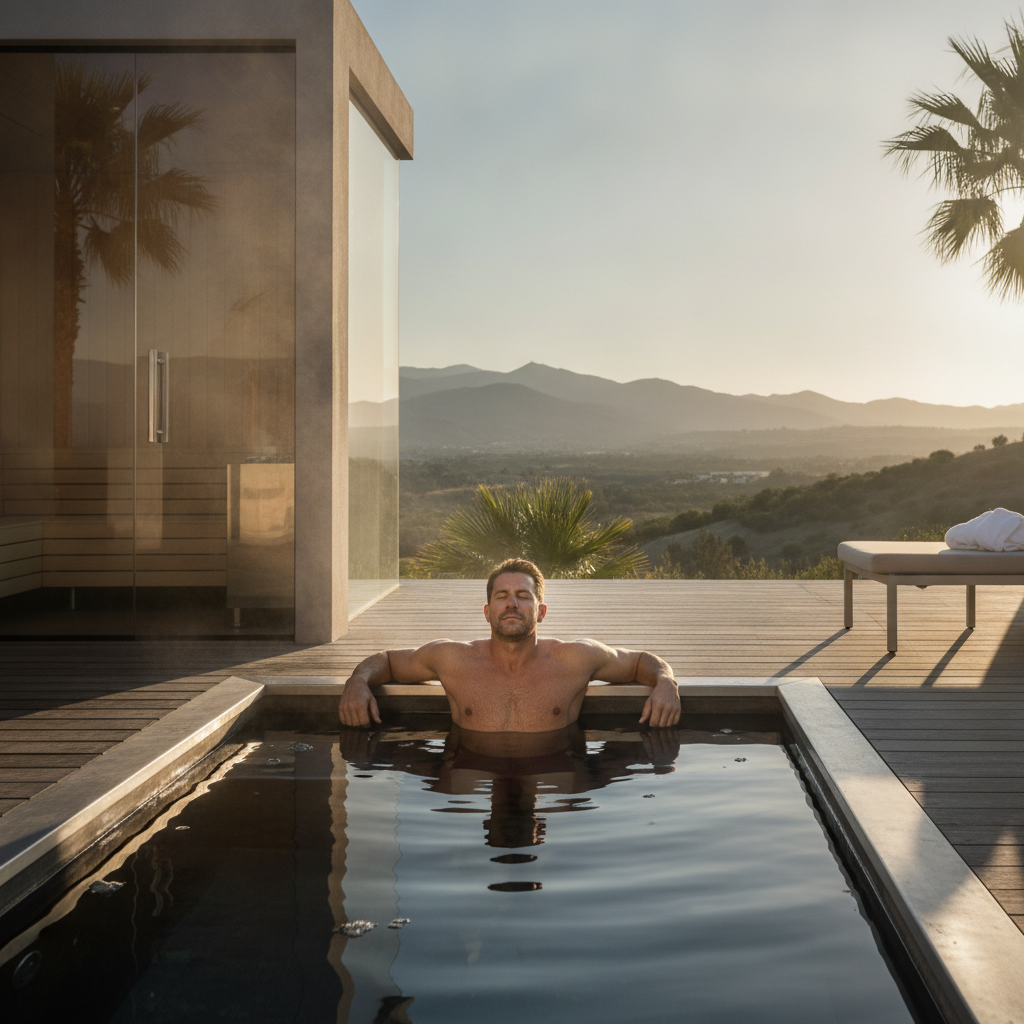
Why Cold Therapy Has Become a Competitive Differentiator
Hotels no longer compete solely on room design or restaurant quality. Increasingly, the quality and distinctiveness of the wellness journey is a deciding factor for a meaningful share of travelers. When properties upgrade hotel amenities with cold therapy, they're responding to three converging forces: consumer demand for recovery-oriented travel, social media's appetite for visually dramatic wellness content, and competitive pressure from peer properties already offering the experience.
Quick Facts
- Global wellness economy (2024): $6.8 trillion, up 7.9% year over year
- Wellness tourism spend (2024): approximately $893.9 billion
- Wellness tourism growth forecast: about 9.1% annually through 2029
- Partner properties offering cold plunge (ResortPass): 126, including 44 added in 2025
- Commercial cold-plunge market size (2025): approximately $354.6 million, projected to reach $659.9 million by 2033
- Typical commercial system cost: roughly $12,790–$29,600 before installation and ongoing sanitation costs
The ResortPass marketplace offers one of the clearest signals available to hotel operators. Its data shows spa-treatment bookings growing 84% year over year, with bundled bookings, combinations of spa, pool, and recovery amenities, exceeding 10% of all bookings in January 2026 (ResortPass, "2026 Wellness Travel Trends," https://www.resortpass.com). That bundling behavior matters: guests aren't just booking a single treatment, they're building a wellness itinerary, and cold therapy is increasingly part of that itinerary.
No. Properties ranging from boutique urban hotels to sports-performance lodges and extended-stay recovery concepts can upgrade hotel amenities with cold therapy at a scale appropriate to their guest profile, from a single-plunge spa add-on to a full contrast-therapy suite.
The Business Case: Market Data Hotel Leaders Should Know
Decisions to upgrade hotel amenities with cold therapy should be grounded in verifiable market data rather than hype. The Global Wellness Institute reports the global wellness economy reached $6.8 trillion in 2024, growing nearly 8% year over year (Global Wellness Institute, "Global Wellness Economy Monitor 2024," https://globalwellnessinstitute.org). Within that figure, wellness tourism alone generated an estimated $893.9 billion, representing 13.2% of total global wellness spending, making it one of the largest single sectors in the wellness economy.
Forecasts suggest wellness tourism will grow at roughly 9.1% annually through 2029, substantially outpacing general travel growth. For hotel owners and general managers evaluating capital projects, that growth rate is a meaningful signal: wellness-forward amenities are not a passing fad but a structural shift in what travelers expect and are willing to pay for.
The commercial cold-plunge equipment market itself is also expanding quickly. Industry estimates place the global cold-plunge-tub market at approximately $354.6 million in 2025, with projections reaching $659.9 million by 2033, an implied compound annual growth rate of about 8.1%. That growth reflects rising adoption not just among individual consumers but among commercial buyers, including hotels, spas, and athletic facilities.
| Indicator | Reported Figure | What It Means for Hotels |
|---|---|---|
| Global wellness economy | $6.8 trillion (2024) | Wellness is now a mainstream, high-value consumer category |
| Wellness tourism spend | $893.9 billion (2024) | Travelers are actively allocating budget to wellness experiences |
| Wellness tourism growth | ~9.1% annually (2024–2029) | Demand for differentiated wellness amenities should keep rising |
| Cold-plunge market size | $354.6M (2025) → $659.9M (2033) | Commercial cold therapy adoption is accelerating, not plateauing |
Quotable insight: Hotels that upgrade hotel amenities with cold therapy are positioning themselves inside a wellness tourism sector projected to grow at roughly 9.1% annually, nearly double the pace of global travel overall.
Five Ways Hotels Can Upgrade Hotel Amenities with Cold Therapy
Not every property needs a sprawling spa wing to compete. The strategic question is how to upgrade hotel amenities with cold therapy in a way that matches the property's size, brand, and guest mix. Consider five common models:
- Signature spa circuit: A cold plunge paired with sauna, steam, and a relaxation lounge becomes a destination within the hotel, suited to luxury and lifestyle properties.
- Fitness-and-recovery zone: Business and extended-stay hotels can add a plunge adjacent to the gym, appealing to road-warrior guests and athletes seeking recovery between training sessions.
- Day pass and membership revenue: Properties near urban centers can open wellness access to local residents, generating incremental, non-room revenue, a model ResortPass data shows is already driving strong bundled-booking growth.
- Private suite or cabana add-on: Resorts can position cold therapy as a premium, bookable upgrade tied to a cabana, villa, or spa suite rental.
- Event and corporate wellness packages: Properties hosting conferences or sports teams can package guided contrast-therapy sessions as part of group offerings.
Each of these paths allows a property to upgrade hotel amenities with cold therapy without necessarily requiring a full spa build-out. The right starting point depends on existing infrastructure, target guest segments, and the amount of staff time available to manage bookings and supervision.
Competitive Positioning: How Cold Therapy Sets a Property Apart
Competitive differentiation is the core reason to upgrade hotel amenities with cold therapy. In most markets, a handful of visually distinctive amenities drive outsized attention in marketing, OTA listings, and guest reviews. A cold plunge, especially one with attractive materials, good lighting, and a clear view, photographs well and generates organic social content, which extends marketing reach at low incremental cost.
Competitively, hotels face a spectrum of equipment providers, from consumer-facing brands with broad product lines to premium, design-led manufacturers whose commercial units often run from roughly $12,800 to over $15,000, and heavier-duty commercial-grade systems that can exceed $20,000 before installation. What differentiates a winning hospitality strategy isn't just the tub itself, it's how the amenity is packaged, staffed, marketed, and connected to other revenue streams such as spa treatments, retail, and day passes.
Published commercial cold-plunge systems generally range from about $12,790 to $29,600, before electrical work, permitting, water treatment, and ongoing sanitation costs are factored in. Total project cost varies significantly based on whether the installation requires new plumbing, structural changes, or simple standalone units.
HotelPlunge positions itself as a hospitality-first partner rather than a generic equipment vendor, a distinction that matters because hotel-grade cold therapy has different requirements than residential or even gym-based applications: higher guest turnover, strict sanitation protocols, accessibility considerations, and the need for intuitive guest-facing instructions. Learn more about hospitality-focused systems at HotelPlunge.
Positioning Cold Therapy Responsibly: What Hotels Should and Shouldn't Claim
As hotels upgrade hotel amenities with cold therapy, marketing language matters as much as the equipment itself. Evidence on cold-water immersion is genuinely mixed and highly dependent on individual health status, protocol, and the specific outcome studied. Responsible hotel marketing should avoid medical claims and instead emphasize the experiential and ritual aspects of the amenity.
Recommended framing includes:
- Refreshment and revitalization, not disease treatment
- Recovery rituals and contrast-therapy experiences
- Guided relaxation and mindful self-care
- Guest choice, with clear safety guidance and health disclaimers
- A premium, spa-grade experience rather than a clinical intervention
Overstating physiological benefits, claiming guaranteed improved sleep, immune function, or disease prevention, creates real regulatory, reputational, and liability exposure. Properties that upgrade hotel amenities with cold therapy should work with legal and spa-operations teams to ensure signage, waivers, and marketing copy stay within defensible, experience-based language.
Is cold plunge therapy safe for all hotel guests?
Cold immersion is not appropriate for guests with certain cardiovascular conditions, pregnancy, or other health concerns. Hotels should post clear safety signage, require guests to self-screen before use, and consider waiver language reviewed by legal counsel.
Common Pitfalls When Hotels Upgrade Hotel Amenities with Cold Therapy
Even well-capitalized properties can stumble when adding cold therapy. The most frequent mistakes include:
- Treating it as a standalone purchase: Buying a tub without a packaging, staffing, or marketing plan limits revenue potential and guest adoption.
- Underestimating sanitation and maintenance needs: Commercial water-quality standards require ongoing filtration, chemical balance, and monitoring, not a one-time setup.
- Ignoring accessibility and comfort: Step design, non-slip surfaces, and clear entry/exit points matter for guest safety and satisfaction.
- Overpromising health outcomes: As noted above, exaggerated claims create liability risk and can erode guest trust if expectations aren't met.
- Underpricing the experience: Properties that fail to position cold therapy as a premium amenity often leave revenue on the table relative to comparable spa services.
Avoiding these pitfalls is central to doing a successful upgrade of hotel amenities with cold therapy, the goal is a sustainable, well-run amenity, not a short-lived novelty.
How to Get Started: A Practical Framework
Hotels ready to upgrade hotel amenities with cold therapy can follow a straightforward sequence:
- Assess guest profile and space: Determine whether a single in-suite unit, a shared spa circuit, or a larger wellness zone best fits the property's guests and footprint.
- Select hospitality-grade equipment: Prioritize systems built for high turnover, easy sanitation, and durable commercial materials rather than residential-grade products.
- Design the full experience: Pair cold plunge with heat, relaxation seating, and clear signage to create a complete contrast-therapy circuit.
- Train staff on protocols: Ensure spa and wellness teams understand safety screening, cleaning schedules, and guest guidance.
- Package and price strategically: Build day passes, spa bundles, and membership options rather than offering free, unstructured access.
- Market with responsible language: Emphasize ritual, recovery, and refreshment rather than medical claims.
Working with a partner experienced in hospitality deployments, rather than a general fitness-equipment supplier, can help hotels avoid costly missteps. HotelPlunge's commercial systems are designed around these hospitality-specific realities; explore options at HotelPlunge.
Frequently Asked Questions
What does it mean to upgrade hotel amenities with cold therapy?
It means integrating cold-water immersion, typically alongside sauna or steam elements, into the hotel's wellness offering, supported by thoughtful design, staff protocols, and packaging that turns the amenity into a marketable, revenue-generating experience rather than a simple equipment purchase.
Why are hotels adding cold plunge amenities right now?
Wellness tourism reached roughly $893.9 billion in 2024 and is projected to grow about 9.1% annually through 2029. Hotels are responding to this demand, as well as to the visual, shareable nature of cold-plunge experiences that help differentiate a property in marketing and guest reviews.
How much revenue can a cold plunge amenity realistically generate?
Revenue varies by model, but hotels commonly monetize cold therapy through spa-package add-ons, day passes, memberships, and private suite upgrades. ResortPass reports bundled wellness bookings exceeded 10% of all bookings in January 2026, suggesting strong guest appetite for packaged, multi-amenity experiences.
Does cold plunge therapy require major renovation?
Not necessarily. Options range from compact, standalone commercial units suited to existing spa or fitness spaces to larger, purpose-built contrast-therapy suites. The right approach depends on available space, budget, and target guest experience.
What should hotels avoid claiming about cold therapy benefits?
Hotels should avoid medical claims such as guaranteed disease prevention, immune-system improvement, or sleep outcomes, since scientific evidence on cold exposure is mixed and outcome-dependent. Marketing should focus on refreshment, recovery rituals, and guided relaxation instead.
Conclusion: Make Cold Therapy Part of Your Competitive Strategy
The hotels that will win the next phase of wellness tourism are not necessarily the ones with the single most expensive spa, they're the ones that build a coherent, well-marketed, well-operated experience around amenities guests actively seek out. Choosing to upgrade hotel amenities with cold therapy is one of the clearest ways to do that: it's visually compelling, aligned with a wellness economy worth trillions of dollars, and flexible enough to fit luxury resorts, business hotels, and boutique properties alike.
The opportunity window is open but narrowing, as more competitors move to upgrade hotel amenities with cold therapy each year. General managers, spa directors, and property owners who act now, with hospitality-grade equipment, responsible messaging, and smart packaging, stand to capture both the marketing upside and the incremental revenue that comes with a well-executed wellness amenity.
Ready to explore what a hospitality-grade cold therapy system could look like at your property? Visit HotelPlunge to start planning your upgrade.