Designing a Cold Plunge Area in Luxury Hotels: A Guide
October 20, 2026 · 13 min read
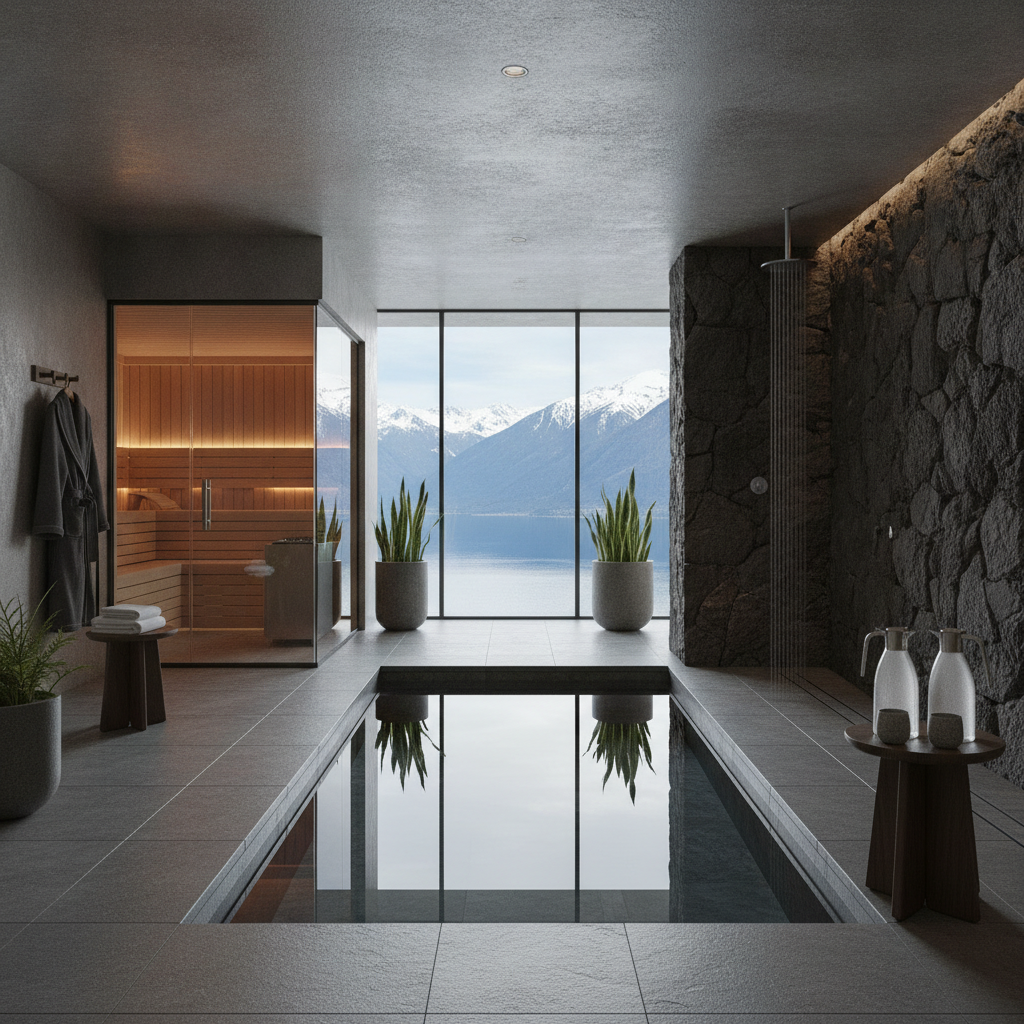
Designing a cold plunge area in luxury hotels is no longer a niche spa upgrade — it is becoming a defining feature of how high-end properties compete for wellness-motivated travelers. Done well, a signature cold plunge area functions less like a single piece of equipment and more like a choreographed guest journey, blending architecture, ritual, water science, and brand storytelling into one memorable moment. Done poorly, it becomes an underused tub that collects maintenance tickets instead of revenue. This guide is written for hotel general managers, spa and wellness directors, and property owners who want to understand what actually separates a forgettable plunge from a signature one.
TL;DR — The Bottom Line
Designing a cold plunge area in luxury hotels requires more than installing a chilled tub — it demands a full sensory journey (heat, cold, rest, hydration), a clear architectural identity, hospitality-grade water and safety systems, and a monetization plan spanning spa treatments, packages, and events. Properties that treat the plunge as an integrated experience rather than an isolated amenity are best positioned to capture the wellness travel economy, which analysts estimate is worth roughly US$975 billion to over US$1 trillion globally in 2025.
Quick Facts
- Global wellness tourism value (2025 estimate): ~US$975 billion to US$1.06 trillion, depending on source definition
- Projected wellness tourism value by 2034: US$2.05 trillion (8.6% CAGR)
- Global spa sales (2024): US$157.4 billion, up 14.6% year over year
- Hotel/resort spa share of spa services (2025): 30.3% of total revenue
- TRevPAR lift for wellness-forward hotels (2023): 26% increase, plus a 10% occupancy increase
- Example guided contrast session price: Fairmont Pacific Rim's Kolm partnership priced a 90-minute experience at US$139
What Does Designing a Cold Plunge Area in Luxury Hotels Actually Involve?
At its core, designing a cold plunge area in luxury hotels means engineering an experience, not procuring a fixture. The strongest properties treat the plunge as the centerpiece of a contrast-therapy circuit: heat exposure (sauna or steam), brief cold immersion, a controlled rewarming period, and a guided recovery close such as hydration, breathwork, or a treatment add-on. Industry coverage increasingly identifies this hot-and-cold circuit format as one of the defining hospitality wellness trends of the current cycle, moving cold exposure out of the gym-recovery category and into premium spa programming.
This matters because guests rarely value a cold tub on its own. They value the feeling of a complete ritual — the contrast between heat and cold, the sense of accomplishment, and the recovery that follows. When general managers and spa directors approach designing a cold plunge area in luxury hotels as a full journey rather than a single feature, they create something far harder for competitors to copy than a tub alone.
No. A cold tub is simply a vessel filled with chilled water. A designed cold plunge area includes temperature control, filtration, safety protocols, a surrounding ritual (often including heat exposure), and an intentional sensory environment — lighting, materials, sound, and staff guidance — that together create a branded guest experience.
Core Principles for Designing a Cold Plunge Area in Luxury Hotels
There are five principles that consistently separate signature installations from generic ones when designing a cold plunge area in luxury hotels:
- Narrative and ritual: Guests should understand the sequence before they begin — arrival, warmth, cold, rest, recovery — ideally reinforced with signage, a staff script, or a printed ritual card.
- Architectural identity: The plunge should visually express the property's brand, whether that is minimalist Scandinavian stone, dramatic volcanic rock, or glass-walled views of the surrounding landscape.
- Sensory layering: Lighting temperature, ambient sound, scent, and material texture all shape perceived luxury as much as the water temperature itself.
- Operational reliability: Water quality, chiller performance, and safety protocols must function flawlessly at scale, every day, regardless of occupancy.
- Commercial integration: The space must connect to spa menus, packages, memberships, and food-and-beverage revenue, not sit as a free-standing cost center.
Properties that apply these principles when designing a cold plunge area in luxury hotels tend to see stronger guest satisfaction scores and higher attach rates to paid spa treatments, because the plunge becomes a gateway into the broader wellness program rather than a side attraction.
Where Should the Cold Plunge Live: Spa, Suite, or Outdoors?
One of the first strategic decisions in designing a cold plunge area in luxury hotels is location. Each option carries different cost, exclusivity, and revenue implications.
| Location | Best for | Trade-offs |
|---|---|---|
| Spa/wellness center | Properties wanting a central, programmable wellness hub with treatment attach | Requires dedicated square footage and staffing; shared use limits exclusivity |
| In-suite or private villa | Ultra-luxury properties selling privacy and personalization at a premium rate | Higher per-unit equipment and plumbing cost; harder to standardize service |
| Outdoor/landscape-integrated | Resorts with strong natural settings wanting a destination-defining feature | Climate and seasonality considerations; higher design and engineering complexity |
Many luxury resorts now blend these models — a central spa circuit for most guests, supplemented by private in-suite options for top-tier rooms. The right configuration depends on brand positioning, available space, and how the property wants designing a cold plunge area in luxury hotels to intersect with its existing room and suite categories.
Outdoor plunges tend to create stronger emotional and visual impact, especially when paired with landscape or waterfront views, but they require more robust engineering for climate control, water chemistry, and year-round operation. Indoor spa placements are easier to staff, monitor, and integrate into existing treatment programming.
Building the Full Contrast Therapy Circuit
A recurring theme in current hospitality wellness coverage is the rise of the hot-and-cold contrast circuit as the preferred format for cold exposure. When designing a cold plunge area in luxury hotels, the circuit typically follows this structure:
- Arrival and orientation: A brief explanation of the sequence, contraindications, and expected sensations sets guest expectations and reduces anxiety.
- Heat exposure: Sauna or steam for 10–15 minutes raises core temperature and prepares the body for contrast.
- Cold immersion: A brief plunge, typically 1–3 minutes depending on guest tolerance and water temperature, delivers the physiological contrast response.
- Controlled rewarming: A seating or lounge area allows the body to naturally rewarm rather than rushing back into heat.
- Hydration and recovery: Infused water, electrolyte service, or a guided breathing exercise closes the ritual.
- Optional treatment extension: Massage, compression therapy, or red-light therapy can be offered as a paid add-on immediately following the circuit, when guests are most relaxed and receptive.
This sequencing is central to designing a cold plunge area in luxury hotels that feels complete rather than transactional. It also creates multiple natural points to introduce paid upsells without disrupting the guest experience.
Materials, Sensory Design, and Brand Identity
The physical materials chosen when designing a cold plunge area in luxury hotels communicate brand positioning as clearly as the hotel's lobby or guest rooms. Natural stone, timber, and matte metal finishes tend to read as understated luxury, while glass, polished tile, and dramatic lighting can create a more theatrical, destination-driven feel.
Sensory details worth deliberate planning include:
- Lighting: Warmer, dimmer lighting near the heat phase; cooler, brighter or natural light near the plunge itself.
- Acoustic design: Water sound, low ambient music, or intentional silence, depending on brand tone.
- Scent: Subtle, natural aromatics (eucalyptus, cedar, pine) reinforce the heat-and-cold narrative without overwhelming guests already experiencing a strong physiological response.
- Wayfinding and signage: Clear, elegant signage explaining sequence, duration, and safety guidance reduces staff burden and guest hesitation.
Properties serious about designing a cold plunge area in luxury hotels often commission the space alongside their interior design and branding teams rather than treating it as a late-stage facilities add-on, ensuring visual consistency with the rest of the property.
Safety, Water Quality, and Operational Reliability
No signature experience survives a safety incident or a visibly cloudy plunge. Designing a cold plunge area in luxury hotels at a commercial, multi-guest-per-day scale requires hospitality-grade systems, not residential equipment repurposed for higher traffic.
Key operational requirements include:
- Consistent temperature control: Commercial chillers capable of rapid recovery between uses, typically maintaining temperatures in the 50–59°F (10–15°C) range for guest-facing plunges.
- Filtration and water treatment: UV or ozone-based sanitation paired with mechanical filtration suited to high guest turnover.
- Clear contraindication screening: Signage and, where appropriate, staff-administered intake questions covering cardiovascular conditions, pregnancy, and other risk factors.
- Trained staff presence: Especially important for unsupervised spa hours or in-suite installations.
- Preventive maintenance contracts: Scheduled servicing prevents the single most common failure point in commercial plunge operations — unreliable equipment performance during peak demand.
These operational standards are often the most overlooked part of designing a cold plunge area in luxury hotels, yet they are what allow a signature experience to run reliably at scale, year after year, without becoming a liability or a maintenance drain.
Most commercial hospitality plunges operate between 50–59°F (10–15°C), which is cold enough to trigger a meaningful contrast response for most healthy adults while remaining manageable for shorter guest sessions of one to three minutes.
Monetizing a Signature Cold Plunge Experience
Designing a cold plunge area in luxury hotels should always be paired with a monetization plan, since the space competes for capital against other revenue-generating renovations. Common monetization paths include:
- Spa treatment attachment: Positioning the plunge as a complimentary gateway into paid massage, compression, or facial treatments.
- Branded wellness packages: Multi-night stay packages bundling room rate, contrast circuit access, and a guided session.
- Day passes and local membership programs: Monetizing non-resident demand, particularly in urban luxury properties.
- Guided group experiences: Facilitated contrast-therapy sessions, similar to the Fairmont Pacific Rim's partnership with Kolm Kontrast, which priced a 90-minute guided experience at US$139.
- Room-rate premium positioning: Suites with private plunge access can command a measurable nightly premium versus standard inventory.
- Event and social programming: Sunrise plunge sessions, wellness retreats, or seasonal activations create marketing moments beyond direct treatment revenue.
One industry analysis found that hotels with wellness elements achieved a 26% increase in average total revenue per available room in 2023, alongside a 10% increase in occupancy — a strong signal that wellness infrastructure, including cold plunge areas, can influence core hotel economics rather than functioning purely as an amenity cost.
Hotels exploring this path can review hospitality-specific configurations and planning resources through HotelPlunge, which focuses on cold plunge design for commercial, luxury hospitality environments rather than residential or gym use cases.
Common Mistakes When Designing a Cold Plunge Area in Luxury Hotels
Even well-capitalized properties make avoidable errors. The most common include:
- Treating the plunge as standalone equipment rather than part of a full contrast circuit and guest narrative.
- Underestimating staffing and maintenance needs, leading to inconsistent water quality or temperature performance.
- Ignoring brand and material consistency, resulting in a space that feels disconnected from the rest of the property.
- No monetization strategy, leaving the amenity as a pure cost center with no measurable commercial return.
- Underestimating competitive saturation — the number of spas globally grew from 175,482 in 2019 to 201,861 in 2024, meaning a generic plunge is increasingly unlikely to differentiate a property on its own.
Avoiding these mistakes is as important as the design decisions themselves when designing a cold plunge area in luxury hotels, since operational and commercial failures tend to undermine even the most visually striking installations.
How to Plan a Cold Plunge Project Step by Step
For general managers and owners approaching this for the first time, a practical sequence for designing a cold plunge area in luxury hotels looks like this:
- Define the guest experience goal: Decide whether the plunge will primarily serve spa guests, suite guests, day-pass visitors, or all three.
- Select a location model: Choose between spa-integrated, in-suite, or outdoor/landscape placement based on available space and brand positioning.
- Design the full circuit: Plan heat exposure, cold immersion, rest, and recovery as one connected sequence, not isolated fixtures.
- Specify commercial-grade equipment: Confirm chiller capacity, filtration standards, and recovery time for expected guest volume.
- Build the monetization plan: Map the plunge to specific spa menu items, packages, and pricing before construction begins.
- Train staff on protocol and safety: Establish contraindication screening, session timing, and emergency procedures.
- Launch with a marketing narrative: Position the plunge as a signature feature in PR, social content, and booking-channel messaging, not a hidden spa line item.
Frequently Asked Questions
What is the biggest difference between a signature cold plunge and a basic cold tub?
A signature cold plunge integrates ritual, architecture, staff guidance, and commercial programming into one experience, while a basic cold tub is simply a chilled vessel with no surrounding journey or monetization strategy.
How much does designing a cold plunge area in luxury hotels typically cost?
Costs vary widely based on location, materials, and whether the installation is spa-integrated, in-suite, or outdoor and landscape-driven. Spa-integrated circuits are generally the most cost-efficient per guest served, while private in-suite or architecturally dramatic outdoor installations carry higher per-unit investment but can support stronger room-rate premiums.
Does a cold plunge need to be paired with a sauna or steam room?
It is not strictly required, but current hospitality trends strongly favor pairing cold immersion with heat exposure in a contrast-therapy circuit, since this format is associated with stronger guest satisfaction and higher treatment attach rates than a standalone cold plunge.
Can a luxury hotel generate direct revenue from a cold plunge area?
Yes. Hotels commonly monetize cold plunge areas through spa treatment attachment, wellness packages, day passes, guided group sessions, and suite-rate premiums, in addition to broader occupancy and brand-positioning benefits.
What water temperature is standard for a hotel cold plunge?
Most commercial hotel cold plunges operate between 50–59°F (10–15°C), balancing a meaningful contrast-therapy effect with manageable guest session lengths of one to three minutes.
Conclusion: Treat the Plunge as an Experience, Not an Amenity
Designing a cold plunge area in luxury hotels is ultimately a strategic decision, not just a construction project. The properties that succeed are the ones that approach the plunge as a complete guest journey — heat, cold, rest, hydration, and recovery — supported by reliable commercial-grade systems and a clear plan for monetization. As wellness tourism continues to grow into a trillion-dollar global category, a thoughtfully designed cold plunge area can become one of the most distinctive, revenue-supportive features a luxury property offers.
If your property is evaluating how to approach designing a cold plunge area in luxury hotels — from layout and equipment to programming and staff protocols — HotelPlunge works specifically with hospitality teams to plan commercial-grade cold plunge experiences built for guest volume, brand consistency, and long-term reliability. Reach out to start scoping your property's signature wellness experience.